

 English
 中文简体
中文简体 Español
 Deutsch



Foldable Storage Bin Maker


2026-05-01
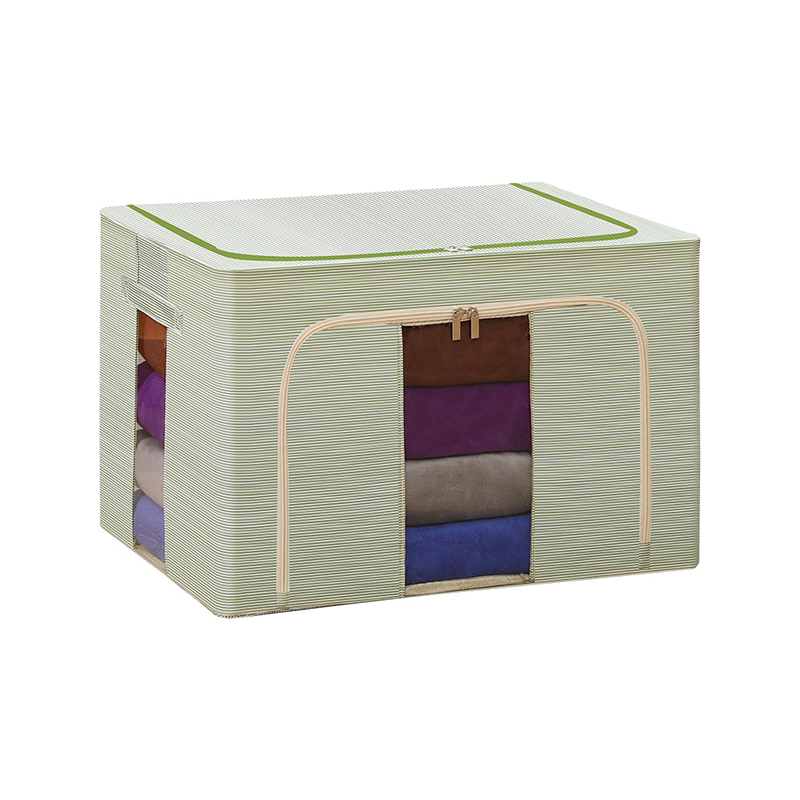
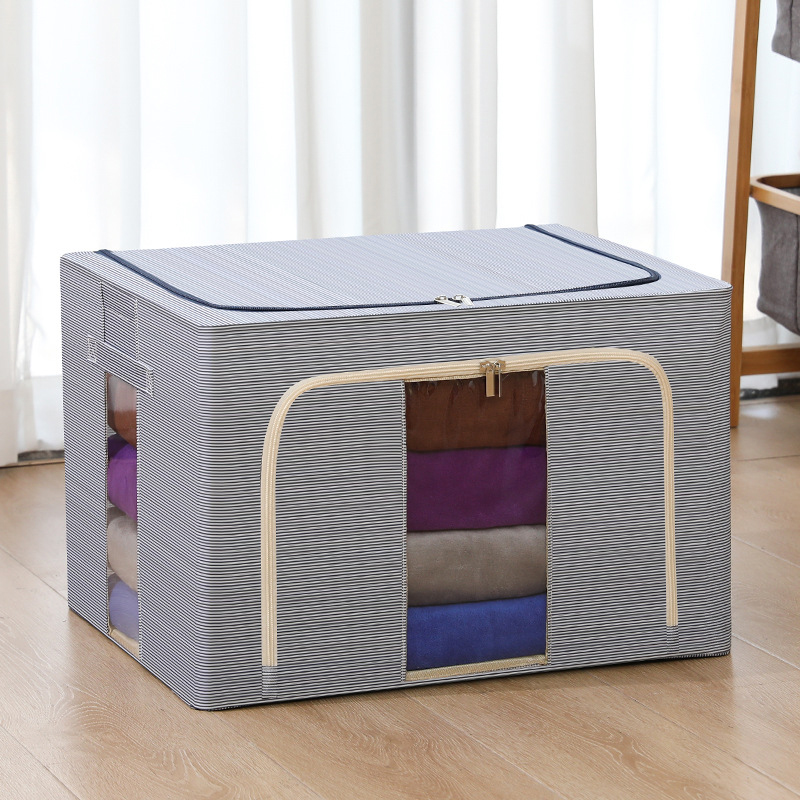
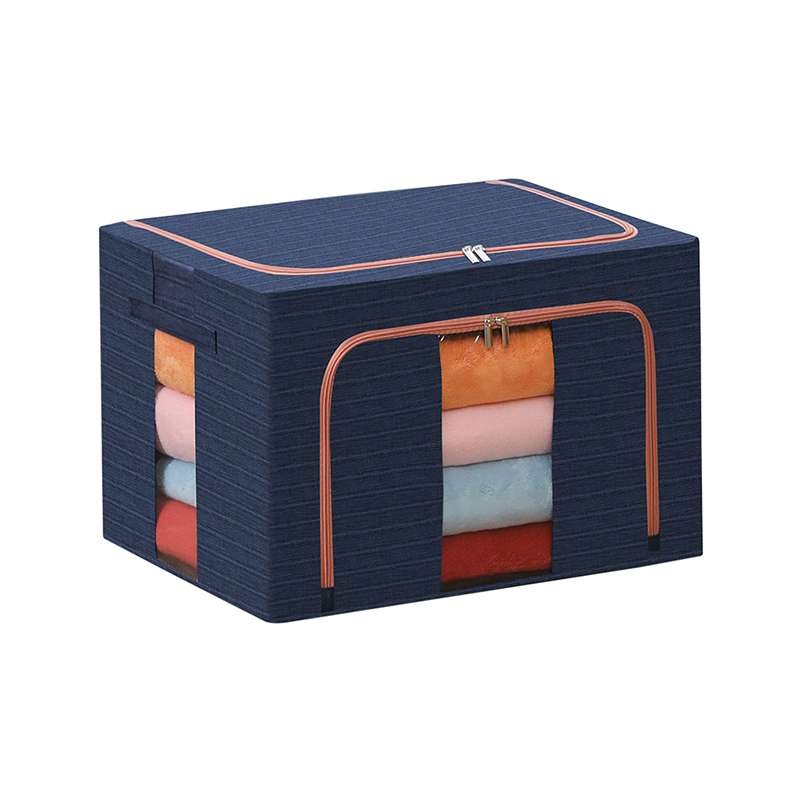
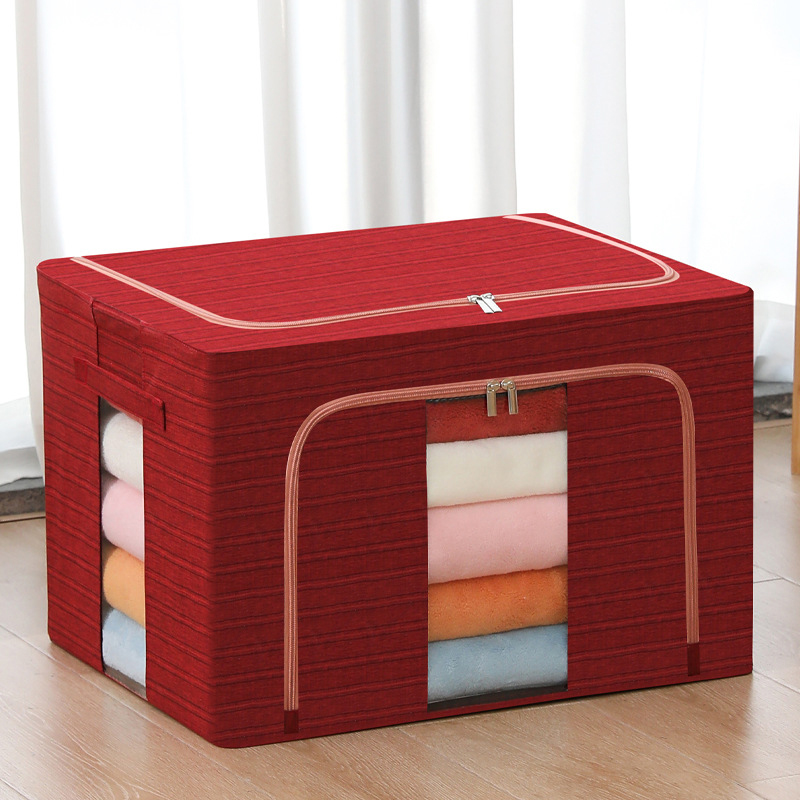
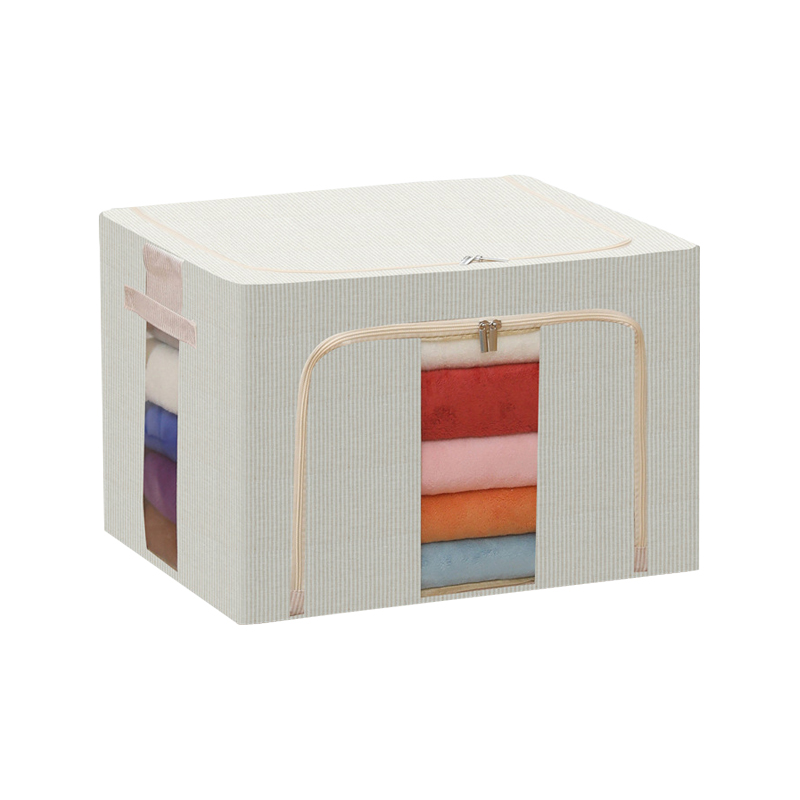
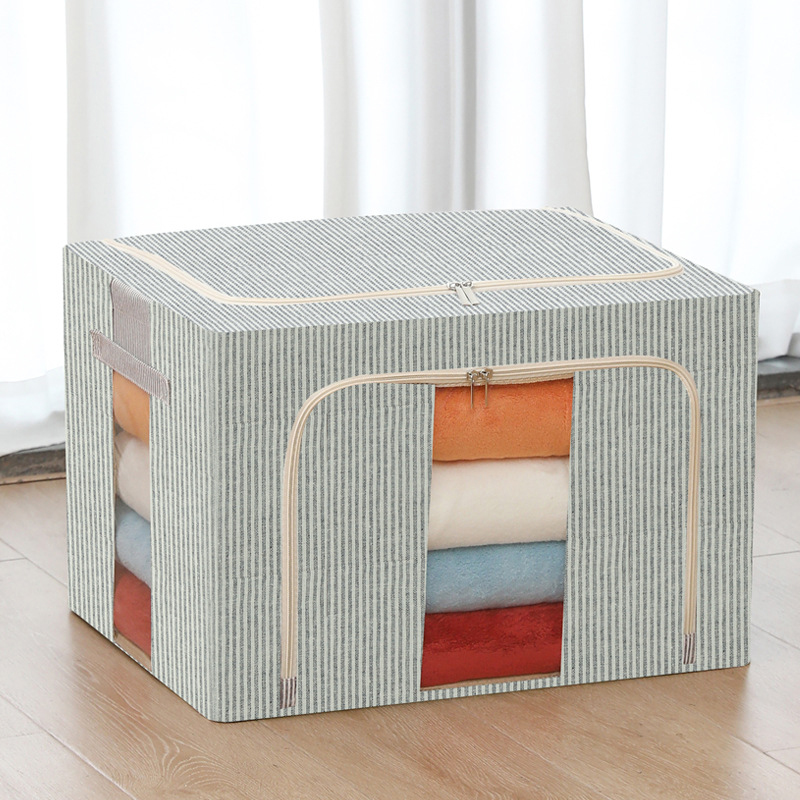
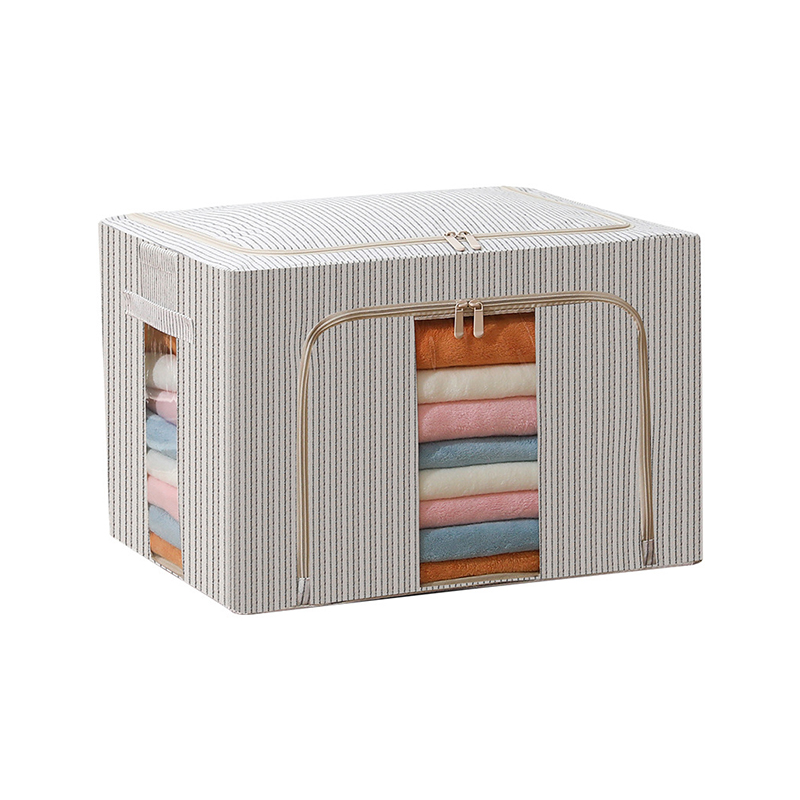
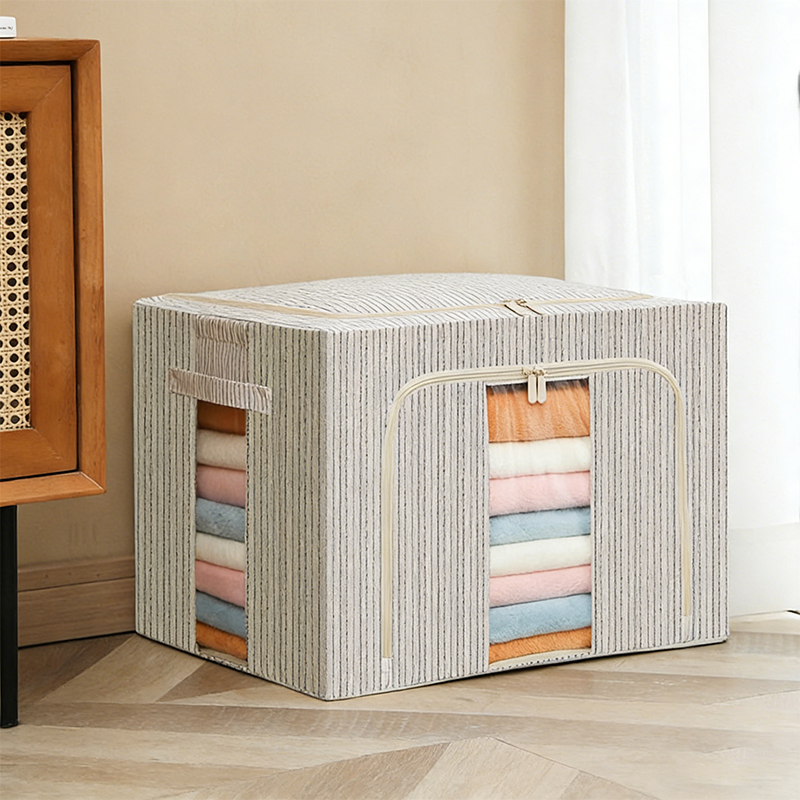
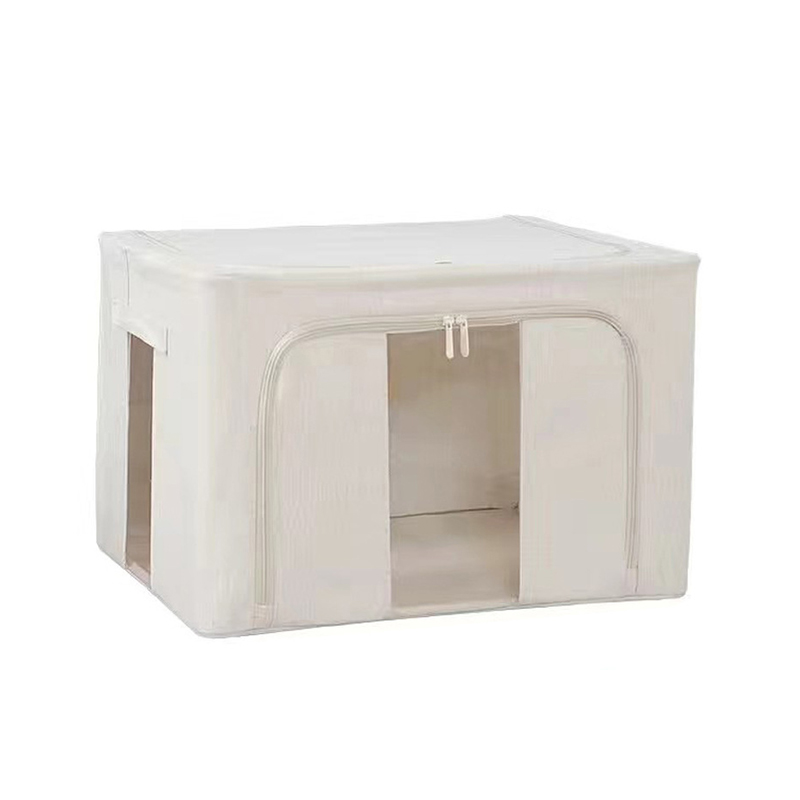
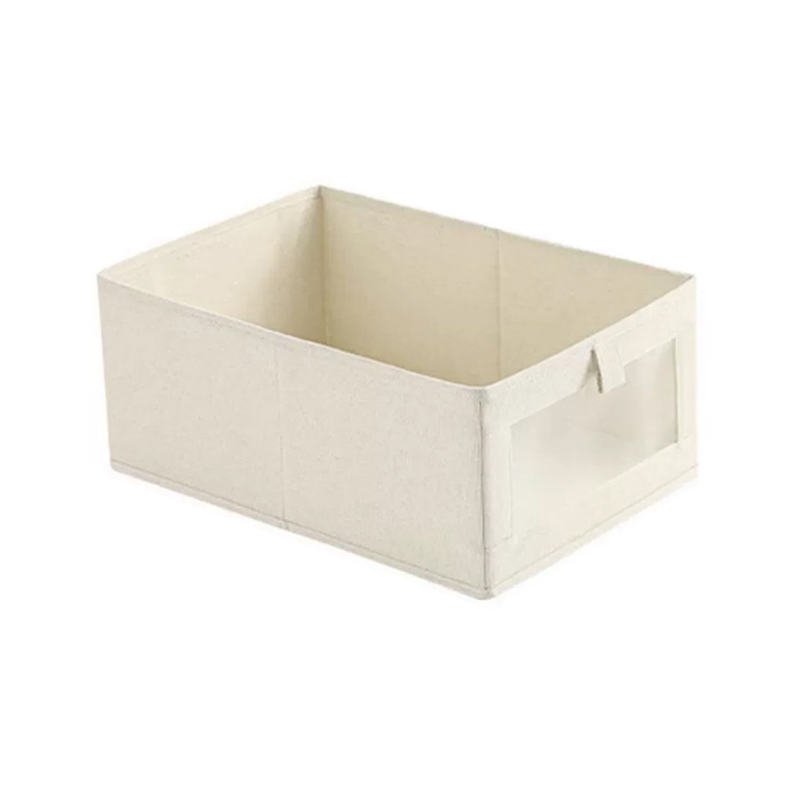
A fabric storage box has become a common household item in many homes where space management and organization play an important role in daily life. Unlike rigid storage containers made of plastic or wood, fabric storage solutions focus on flexibility, lightweight structure, and ease of use. They are widely used in bedrooms, living rooms, closets, dormitories, and even office environments where temporary or semi-permanent storage is needed.
One of the main advantages of a fabric storage box is its ability to adapt to different spaces. When not in use, many designs can be folded flat, making them easy to store without occupying unnecessary space. This feature is especially useful in small apartments or shared living environments where storage flexibility is important. Users can unfold the box when needed and quickly return it to a compact form when it is empty.
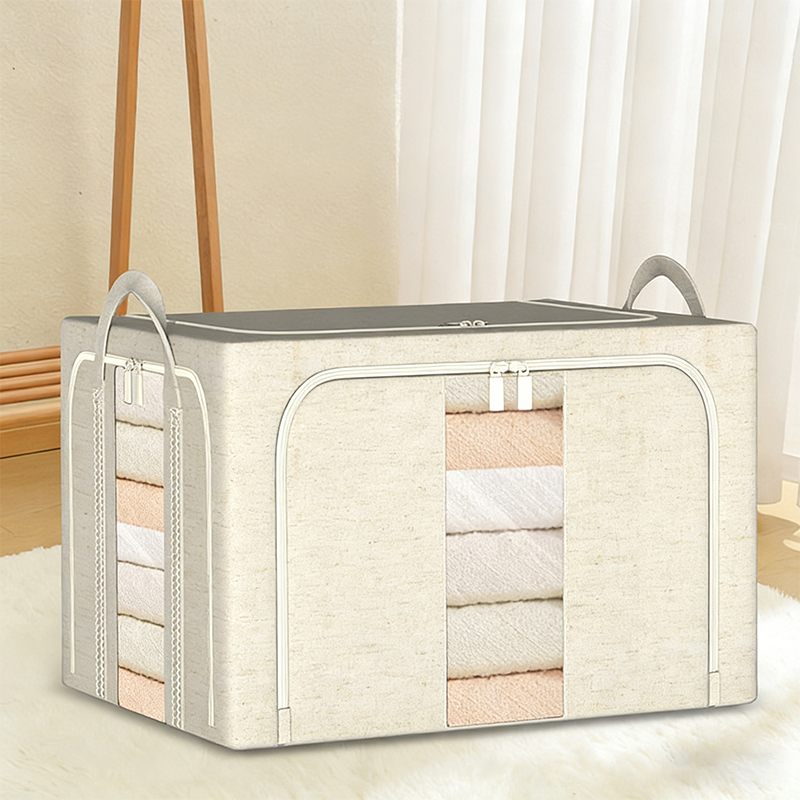
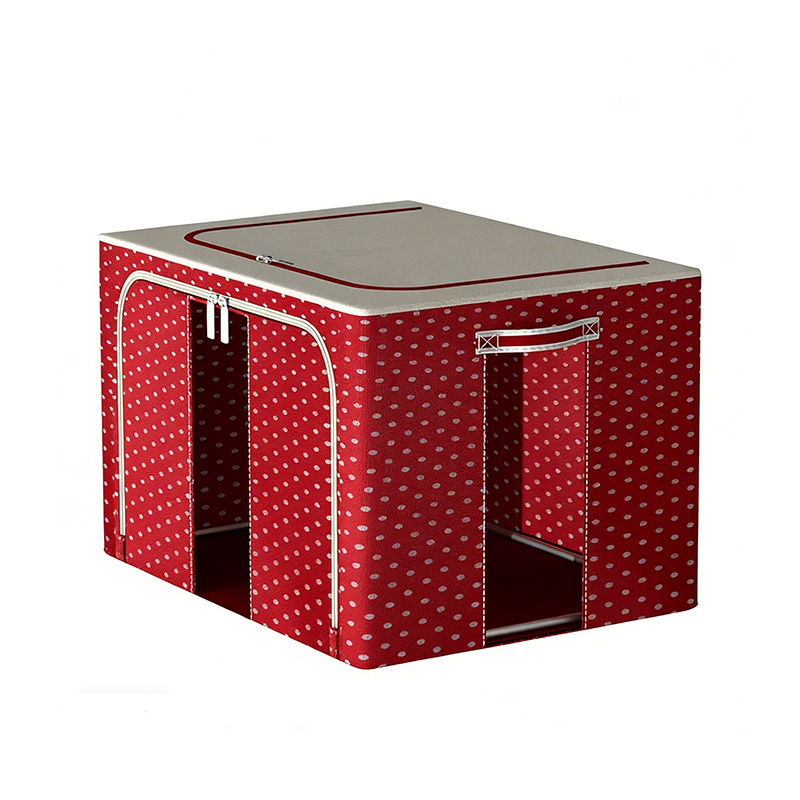
The structure of a fabric storage box typically includes a supportive frame, often made from cardboard or lightweight metal, covered with durable fabric materials such as non-woven fabric, polyester, or linen blends. This combination provides both stability and softness. The outer fabric layer often includes stitching or reinforcement at stress points, allowing the box to hold clothing, books, toys, or household accessories without losing shape easily.
Breathability is another important feature that distinguishes fabric storage boxes from sealed plastic containers. The fabric allows air circulation, which helps reduce moisture buildup inside the box. This is particularly useful for storing clothing, blankets, or seasonal items that may remain unused for extended periods. Improved airflow also helps maintain freshness and reduces the likelihood of odor accumulation in enclosed storage spaces.
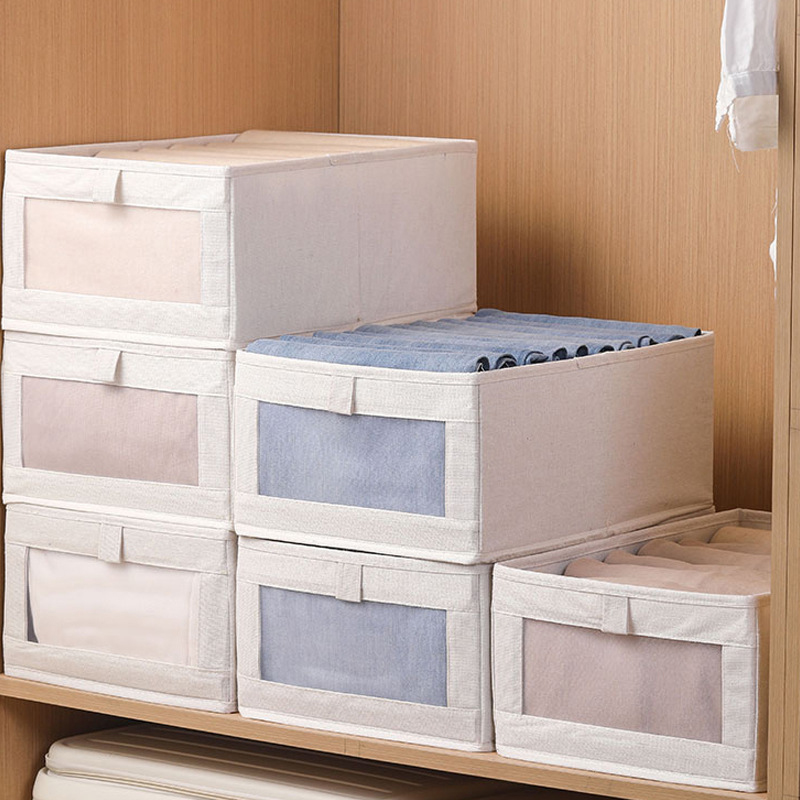
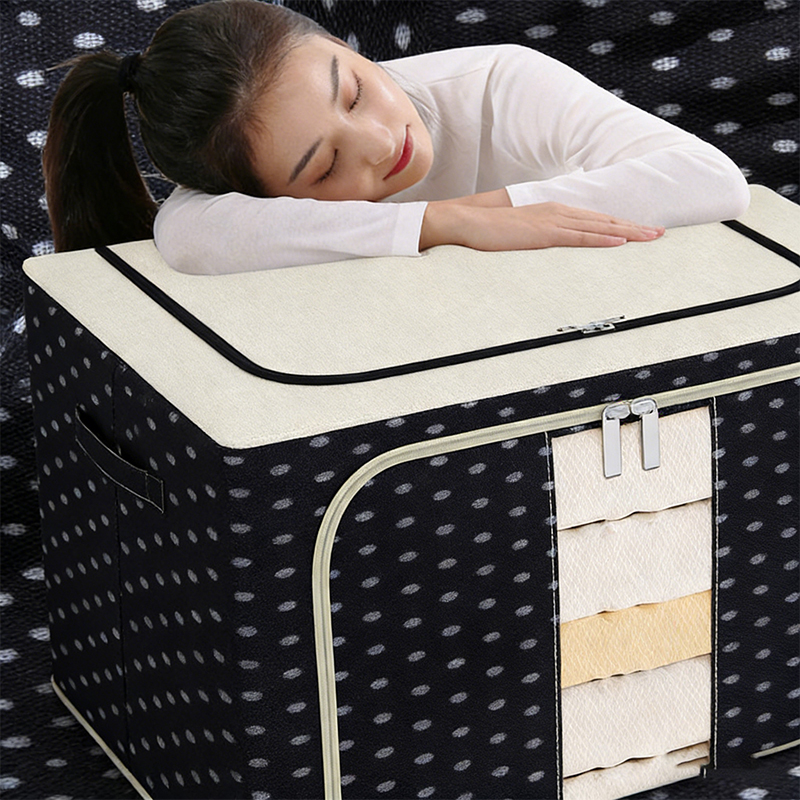
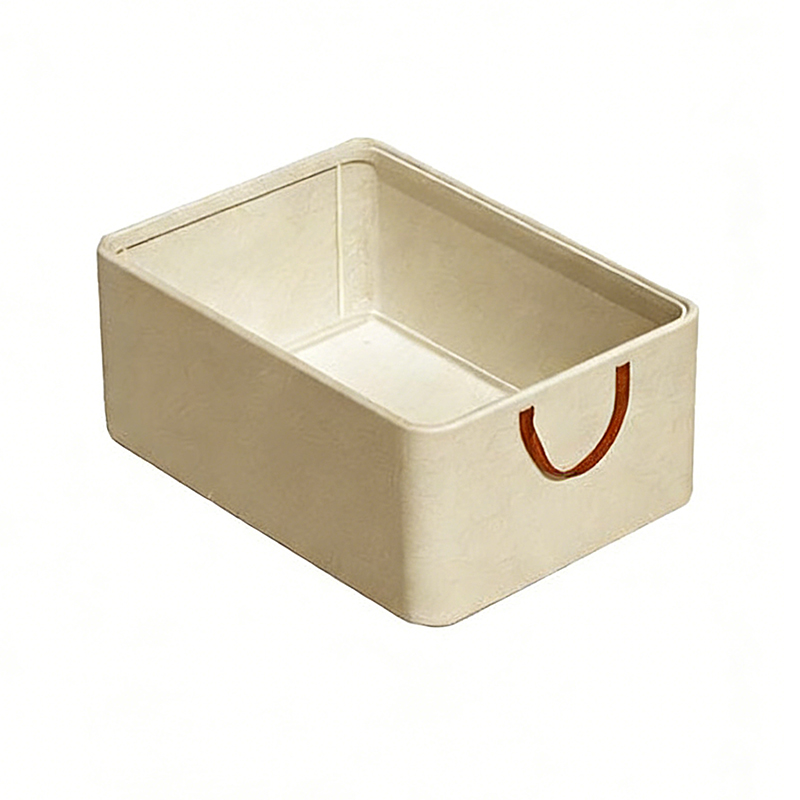
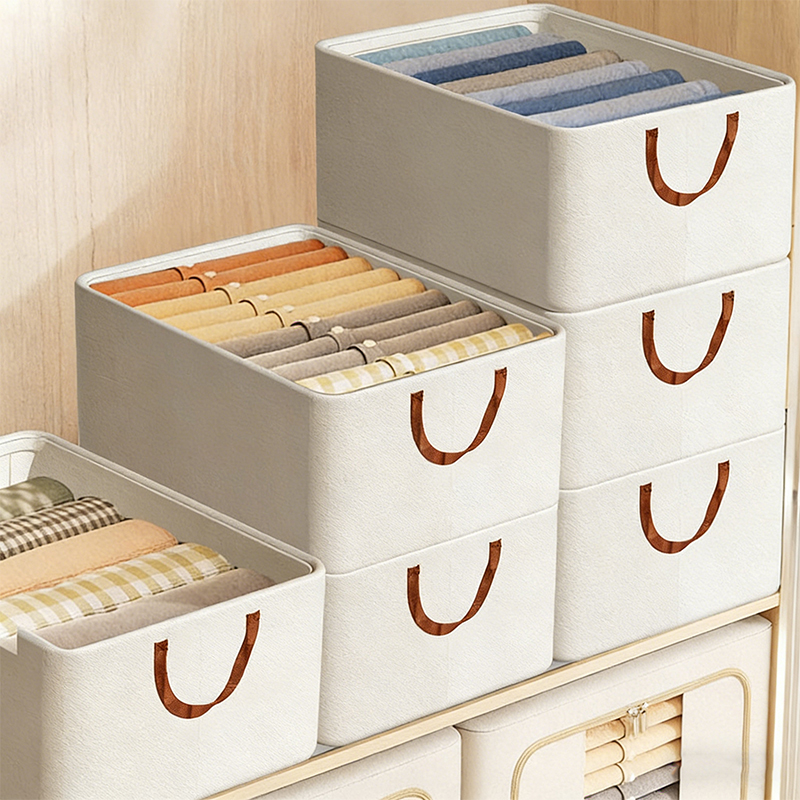
Design variety has contributed significantly to the popularity of fabric storage boxes. They are available in different sizes, colors, patterns, and shapes, allowing users to match them with interior decoration styles. Some designs include lids, handles, or transparent label windows that make identification of contents easier. Others are designed as modular systems that can be stacked or arranged in shelving units, offering more structured organization solutions.
In bedrooms, fabric storage boxes are often used to organize clothing items such as socks, underwear, scarves, or seasonal garments. They fit neatly inside closets or under beds, making efficient use of hidden storage space. In living rooms, they are commonly used to store remote controls, magazines, children’s toys, or miscellaneous household items that need quick access but do not require permanent display.
In office environments, fabric storage boxes help manage documents, stationery, and small equipment. Their lightweight nature allows easy repositioning on shelves or desks, supporting flexible workspace organization. In dormitories, where space is often limited, fabric storage solutions help students keep personal belongings organized without adding unnecessary weight or bulk.
Durability is an important consideration in fabric storage box design. While they are not intended for heavy industrial use, well-constructed models can support moderate weight without collapsing. Reinforced stitching, thick fabric layers, and structured internal supports contribute to longer usability. Users often choose products based on expected load capacity and frequency of use.
Another factor contributing to their popularity is cost accessibility. Fabric storage boxes are generally available at a lower price range compared to rigid storage furniture. This makes them suitable for temporary living situations, rental housing, or seasonal organization needs. Their affordability allows users to purchase multiple units and create organized storage systems across different areas of a home.
 Quick View
 Quick View
 Quick View
 Quick View
 Quick View
 Quick View
 Quick View
 Quick View

Foldable Storage Bin Maker
Contact Us
 No. 15, Hetian Road, Shangxi Town, Yiwu City, Zhejiang Province
Mobile