

 English
 中文简体
中文简体 Español
 Deutsch



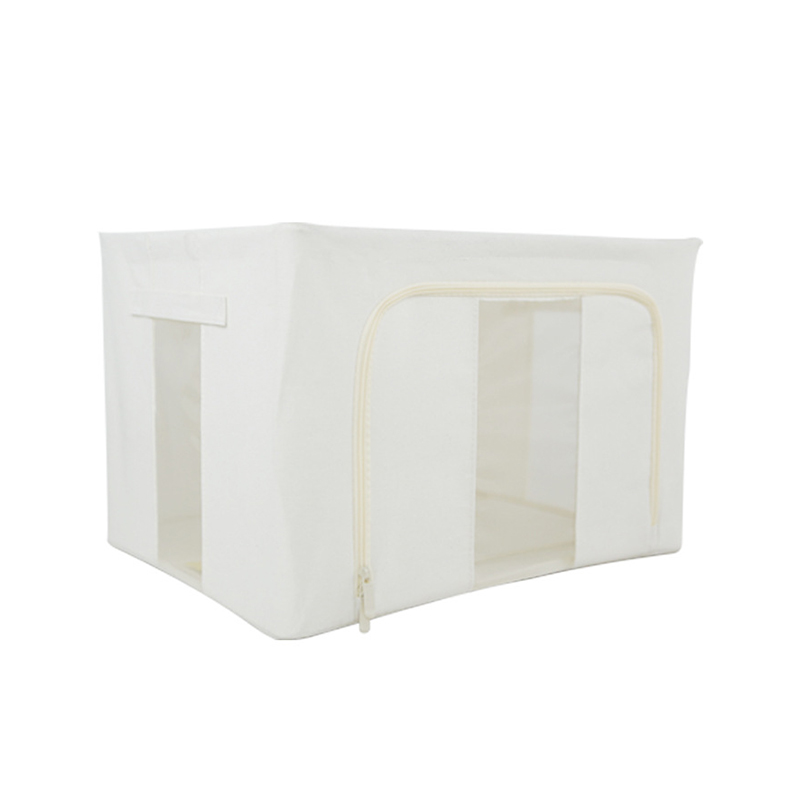
Aligning Design with Commercial Requirements Projects typically begin with a review of intended contents, handling frequency, and available shelf or f...
READ MORE


information to be updated
Aligning Design with Commercial Requirements Projects typically begin with a review of intended contents, handling frequency, and available shelf or f...
READ MORE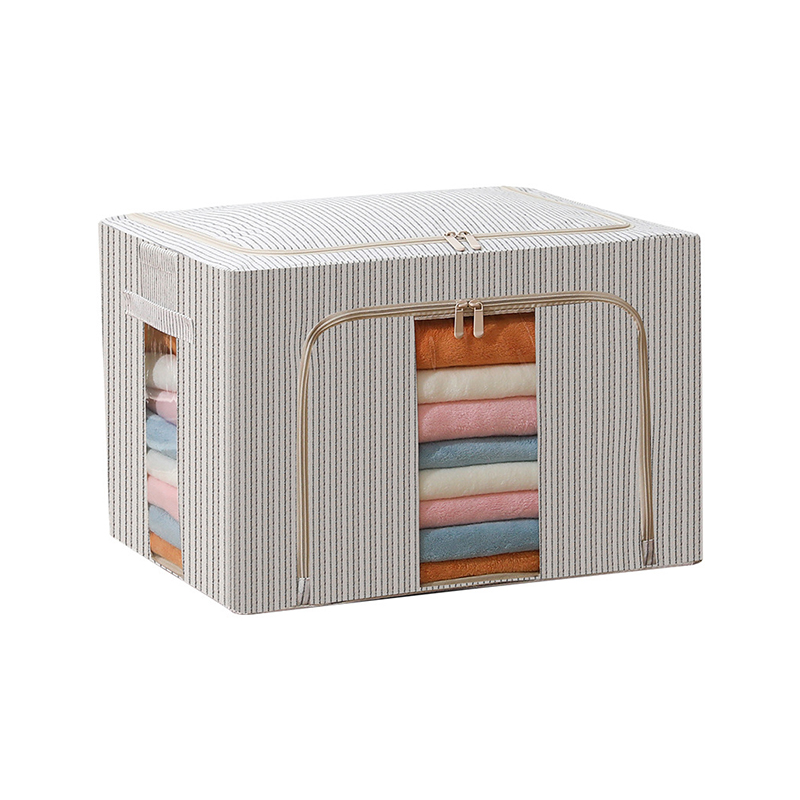
Empty a plastic bin and it still takes up the same amount of floor space it did when full. That's the annoying part nobody warns you about until movin...
READ MORE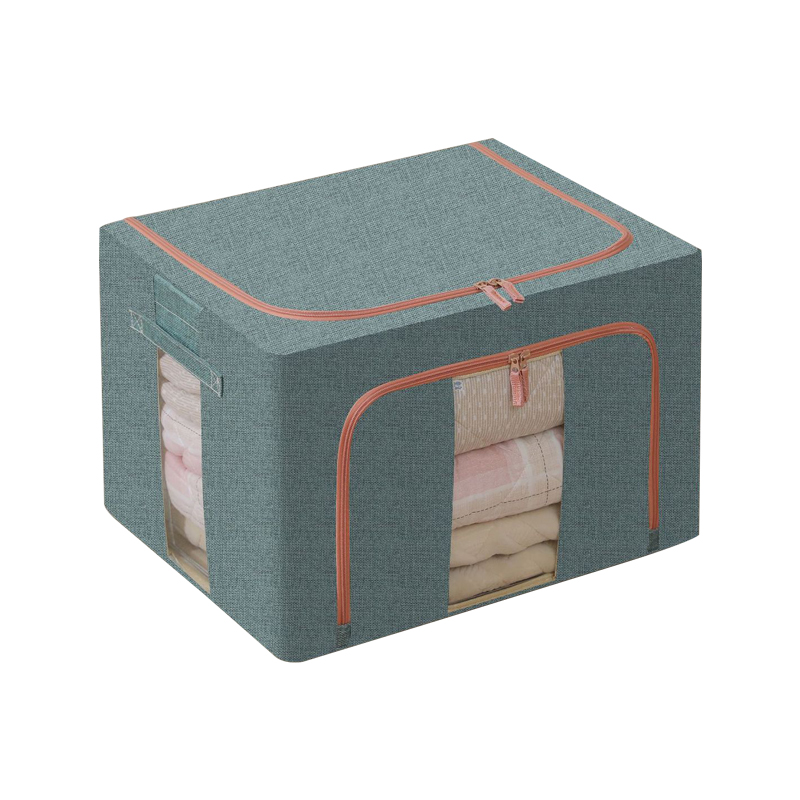
Storage Design Is Becoming More Flexible Storage areas rarely stay the same for long. Inventory levels change, product categories shift, and available...
READ MORE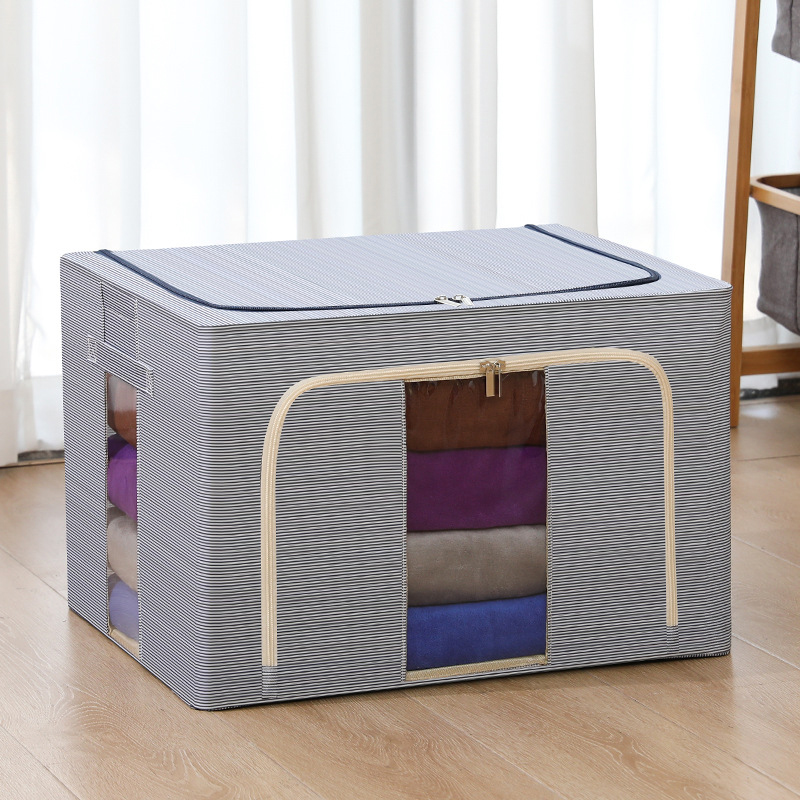
Polyethylene frames form the structural backbone of many compact and industrial storage systems. A PE fram storage organizer typically combines molded...
READ MOREFabric storage bins and fabric storage baskets have become fixtures in the home organization market — not because of any single breakthrough, but because they keep solving real problems in real rooms. Light enough to haul around, soft enough to wedge into tight corners, and with so many different looks that they'll fit right in no matter how you've decorated.
A fabric storage bin typically has defined sides and a structured shape — box-like, with a flat base built to sit flush on shelves or slot into cube organizer systems. The whole point is that once you fill it, the bin actually keeps its shape. And these are built to sit in really specific places, like inside a wardrobe, on a bookshelf, or tucked away into a modular unit.
Fabric storage baskets work differently. The silhouette is softer and often rounder, borrowing from traditional basket forms. Handles are common. The sides don't have to stand straight up. Baskets usually end up in places you can see, like right next to the sofa, on a bathroom shelf, or at the bottom of the stairs. And in those spots, how they look is just as important as what you put inside them.
What a fabric storage bin is made of pretty much decides everything: how long it lasts, what it costs, whether it's earth friendly, and how it acts when you use it every day. Manufacturers draw from a fairly established set of material options, each with trade-offs:
You'll find many of these bins have a hidden helper inside, like corrugated cardboard, thin plastic board, or a sewn in wire frame. This gives them just enough structure to stay upright when filled, while staying foldable when you clear them out.
| Material Type | Key Characteristics | Common Uses | Maintenance Notes |
| Non-woven Polypropylene | Lightweight, affordable, printable | Closet bins, toy storage | Wipe clean; avoid heavy machine wash |
| Cotton / Canvas | Natural feel, breathable | Bedroom organization, decorative baskets | Spot clean or gentle wash |
| Polyester Blends | Water-resistant, durable | Laundry or bathroom baskets | Easy to wipe or hand wash |
| Recycled Fabric Options | Eco-conscious, similar performance | General home storage | Follow care labels |
This range gives manufacturers room to balance cost, appearance, and performance depending on where and how the product will be used.
Fabric storage products come in a wide range of sizes — from compact desktop organizers that hold stationery or charging cables, to large floor-standing baskets meant for blankets or laundry. Beyond size, several design details define how a product functions and how it's perceived:
Together, these elements allow a relatively simple product type to serve both practical and decorative purposes without requiring major design changes.
Production of fabric storage bins and baskets follows a consistent general sequence: material selection and cutting, panel sewing, structural insert placement, handle attachment, and quality inspection. Industrial sewing machines handle many of the assembly tasks at scale, with automated or semi-automated processes used for printing, lamination, and dimensional cutting on high-volume lines.
Structural inserts are added during assembly. Cardboard is one of the many common insert materials for its cost and weight advantages, though it can soften if exposed to sustained moisture — a relevant limitation for bathroom or laundry products, where plastic board or wire framing is typically used instead.
For smaller batches or custom designs, production shifts toward more manual sewing work, which allows for tighter pattern matching and unique construction details. Quality control at these factories tends to focus on seam durability, handle pull strength, and whether finished products match the required dimensions consistently.
Many manufacturing takes place in regions with established textile supply chains, where fabric and component sourcing is efficient and lead times are relatively predictable. China, India, and parts of Southeast Asia account for the majority of global production in this category.
One reason fabric storage bins and baskets maintain steady demand is that they fit into a wide range of settings without requiring much adjustment:
Their lightweight construction also makes moving them between rooms or switching them out seasonally relatively easy compared to heavier storage alternatives.
Whether you are a retailer building a product range or a consumer making a purchase, what matters more isn't the same on both sides of the transaction.
For Buyers and Retailers
For End Consumers
Fabric Organizer Box Supplier

Contact Us
 No. 15, Hetian Road, Shangxi Town, Yiwu City, Zhejiang Province
Mobile