

 English
 中文简体
中文简体 Español
 Deutsch



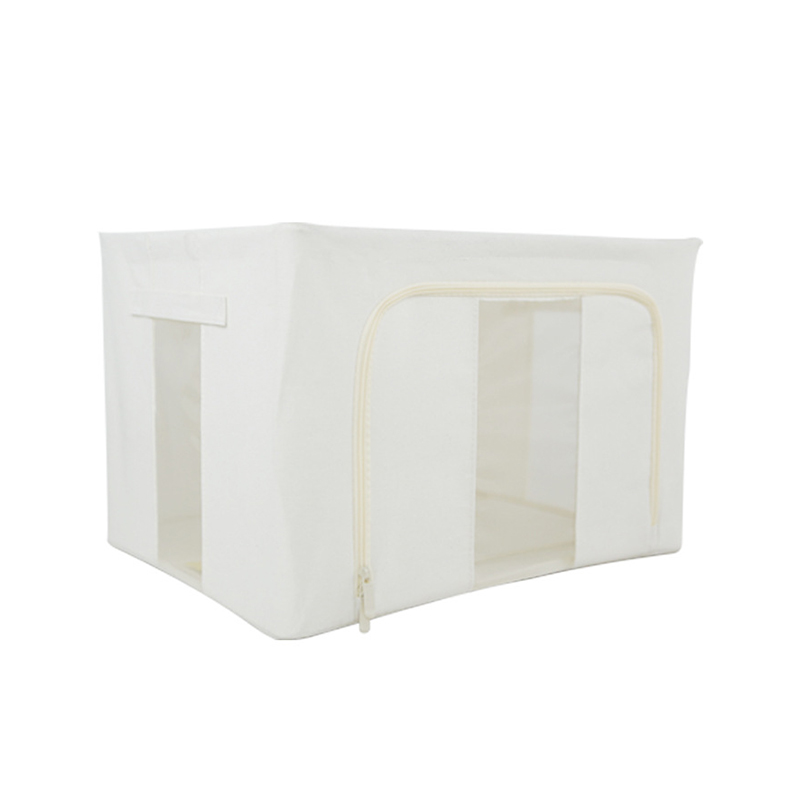
Aligning Design with Commercial Requirements Projects typically begin with a review of intended contents, handling frequency, and available shelf or f...
READ MORE


information to be updated

Aligning Design with Commercial Requirements Projects typically begin with a review of intended contents, handling frequency, and available shelf or f...
READ MORE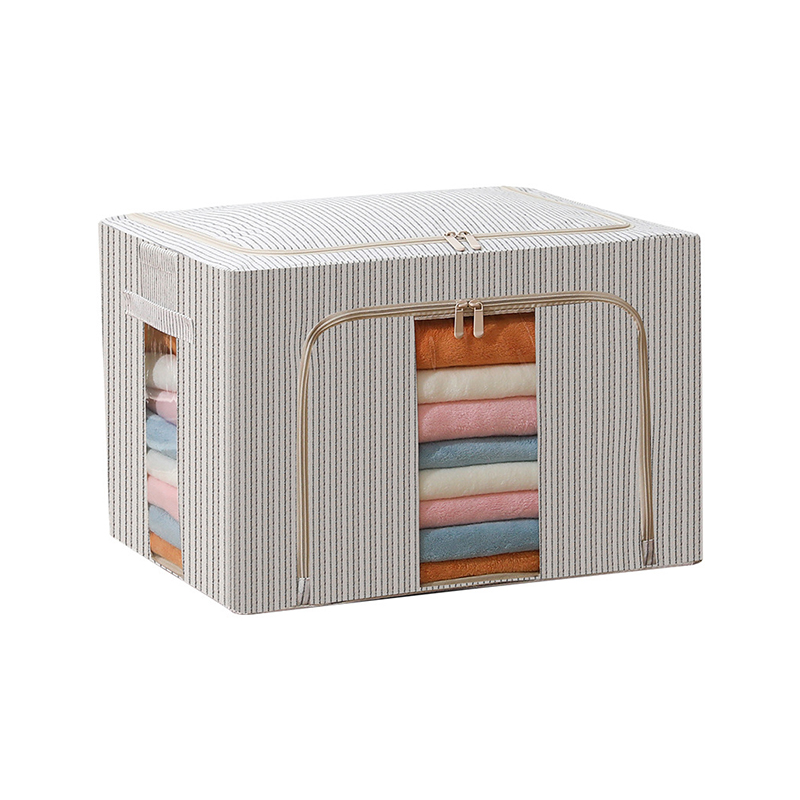
Empty a plastic bin and it still takes up the same amount of floor space it did when full. That's the annoying part nobody warns you about until movin...
READ MORE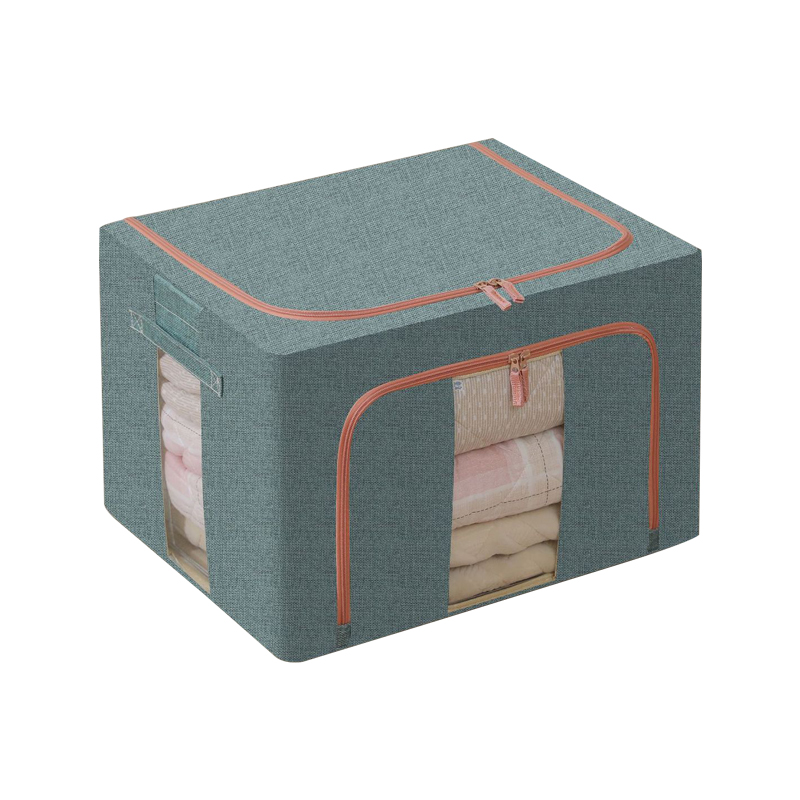
Storage Design Is Becoming More Flexible Storage areas rarely stay the same for long. Inventory levels change, product categories shift, and available...
READ MORE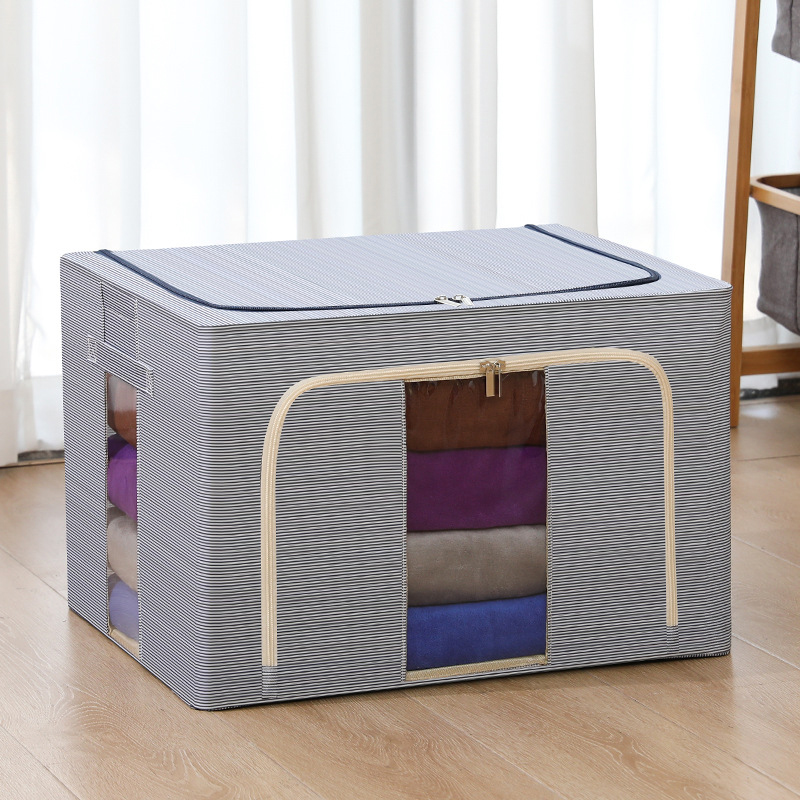
Polyethylene frames form the structural backbone of many compact and industrial storage systems. A PE fram storage organizer typically combines molded...
READ MOREWarehouses move fast. So do households. Households working on tidier bedrooms and logistics teams managing return flows both repeatedly confront the need to store items efficiently without sacrificing floor space. That's a big part of why foldable storage boxes have found their way into so many different settings.
They aren't a new concept, but the product category has matured quite a bit. What started as basic fabric bins has expanded into a broad range of options spanning Oxford cloth organizers, semi-rigid plastic crates, and packaging configurations designed specifically to meet Amazon's FBA inbound requirements. These products are all about saving space. When you're not using them, they fold or collapse down, so they take up less room and cost less to ship.
At its core, a foldable storage box is built to hold a defined shape when in use, then collapse flat when it's not needed. Many fabric versions pair a textile outer layer — commonly 600D Oxford cloth — with an internal steel or PE frame that keeps the walls upright under load.
A few features tend to appear consistently across well-made products:
Capacity options typically run from around 22L on the smaller end — suitable for accessories, children's clothing, or desk items — up to 100L or more for bulky bedding and winter coats. The 33L to 66L range tends to see the broadest everyday use.
Collapsible storage boxes cover a wider range of constructions, including fabric bins, plastic crates, and hybrid designs where rigid side panels fold inward when the box is empty.
Here's a general breakdown of the main types:
| Product Type | Material | Primary Use | How It Collapses |
| Fabric Collapsible Bin | Oxford cloth/canvas | Closet, bedroom | Folds flat |
| Plastic Collapsible Crate | HDPE / PP | Garage, laundry | Side panels fold in |
| Cube Storage Bin | Non-woven fabric | Shelving units, nurseries | Flat-pack |
| Under-Bed Organizer | Linen + steel frame | Seasonal clothing | Fold flat with a zipper |
Beyond material and size, structural design plays a major role in how flexible storage products perform in real life. Users often overlook this aspect, yet it directly affects durability, ease of access, and long-term usability.
Soft-frame vs semi-rigid construction
So soft frame designs rely on the fabric's own stretch and a little bit of support inside. They're lightweight and fold flat in a snap, so they work nicely for temporary or seasonal storage. But here's the thing. If you stuff them too full or pile them up wrong, they won't stay square for long.
Semi-rigid structures introduce partial reinforcement panels, usually inserted on the sides and base. This approach strikes a balance between flexibility and stability. Boxes maintain a cleaner shape during use, especially when placed on open shelves or under beds where appearance and alignment matter.
Key differences in practical use:
In household settings, semi-rigid models often become the preferred choice because they handle mixed loads more reliably—everything from folded clothes to books and bedding.
Load behavior and weight distribution
How weight spreads inside the container influences both lifespan and user experience. Poorly designed storage boxes tend to sag in the middle when filled unevenly, especially when heavier items are placed near the center without side support.
Well-designed structures distribute pressure across the frame, reducing stress points. This is particularly important in stackable use scenarios, where the bottom container must support additional weight without distortion.
Common engineering improvements include:
These small structural details often determine whether a storage box remains functional after repeated seasonal use or begins to deform early.
Production methods vary by material. Injection molding handles plastic components, creating the precise hinges and interlocking walls that allow repeated folding without cracking. Living hinges — thin sections of plastic that flex rather than break — are a common engineering solution for fold points in rigid boxes.
Fabric versions involve a different process: cutting and sewing the outer material, inserting the frame or support boards, and attaching handles, zippers, and window panels as separate components. Quality control at this stage focuses on zipper smoothness, handle stitching strength, and whether the frame actually holds its shape under load.
Well-designed products in both categories achieve volume reductions of 70–80% when collapsed. That figure has real implications for reverse logistics — emptying and returning containers is dramatically cheaper when they pack down that efficiently.
Q1: Are foldable storage boxes a reasonable option for long-term seasonal storage?
A: They can work well for seasonal storage, with a few caveats. Clothing and bedding should be completely dry before going in — residual moisture is the main risk. A silica gel packet or cedar block inside the box helps manage humidity over time. A PVC-lined interior and a zipper that seals cleanly make a noticeable difference for anything stored over several months.
Q2: How do collapsible storage boxes help with logistics costs?
A: The math is fairly straightforward. Empty containers that collapse reduce return shipping volume substantially, which lowers freight costs and improves how efficiently space is used in trucks and containers. For high-volume operations, that adds up.
Q3: Can these boxes be recycled at the end of life?
A: PP and HDPE versions generally can be recycled through standard plastic recycling programs, though local facility capabilities vary. Products that allow partial disassembly tend to be easier to sort and process correctly. Fabric versions are more complicated — the mix of materials makes clean recycling harder, though some components may be separable.
Q4: What size range works for many everyday household storage needs?
A: The 33L to 66L range handles many common situations — folded clothing, towels, lighter bedding. Below 22L is better suited for small accessories or children's items. Above 88L starts to make sense for bulky winter items, extra comforters, or things that don't get touched for months at a time.

Collapsible Storage Box Maker

Contact Us
 No. 15, Hetian Road, Shangxi Town, Yiwu City, Zhejiang Province
Mobile