

 English
 中文简体
中文简体 Español
 Deutsch



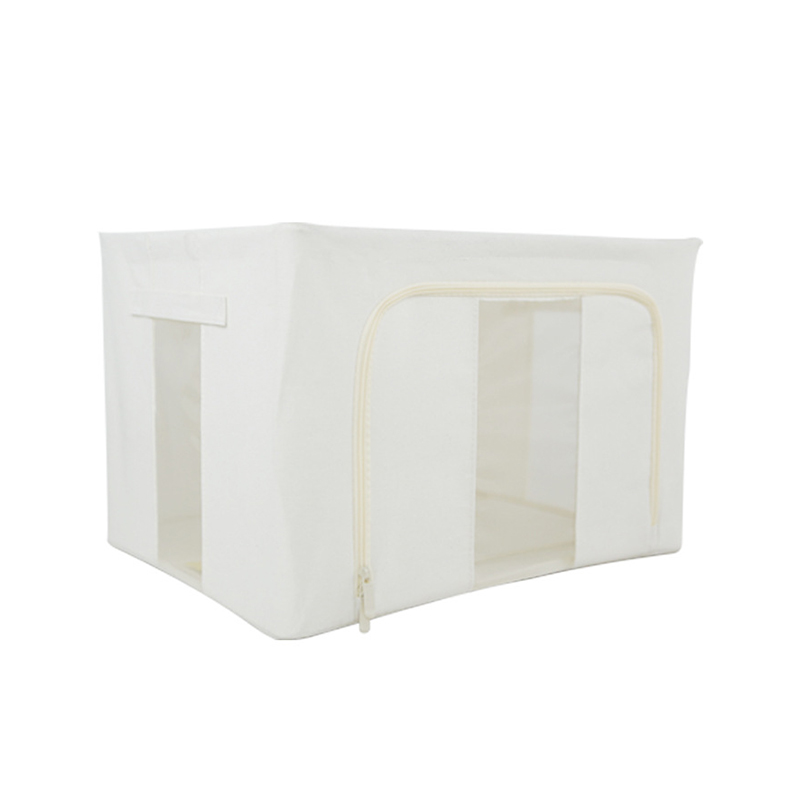
Aligning Design with Commercial Requirements Projects typically begin with a review of intended contents, handling frequency, and available shelf or f...
READ MORE


information to be updated

Aligning Design with Commercial Requirements Projects typically begin with a review of intended contents, handling frequency, and available shelf or f...
READ MORE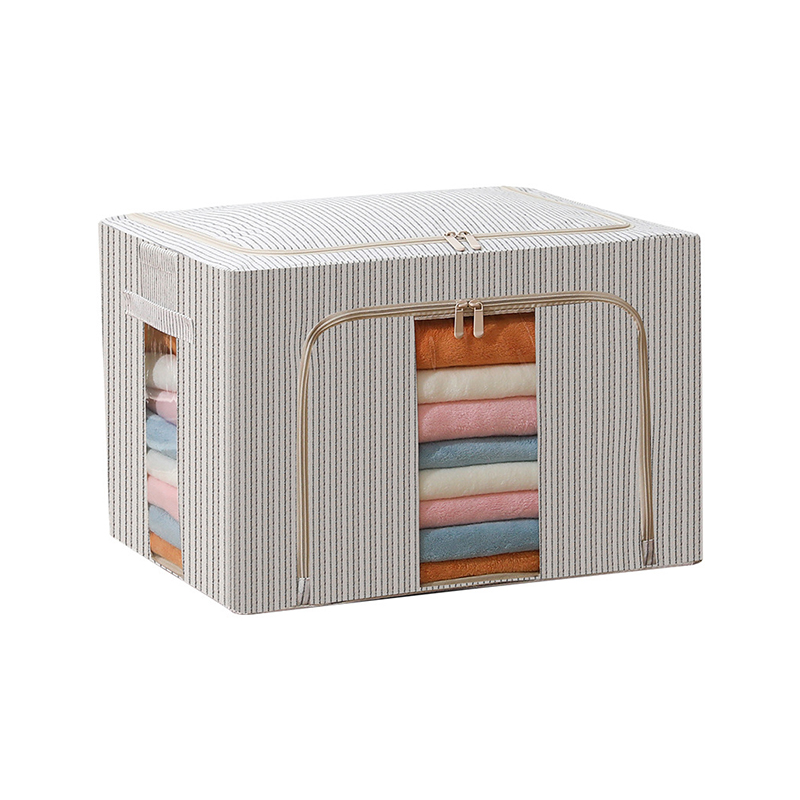
Empty a plastic bin and it still takes up the same amount of floor space it did when full. That's the annoying part nobody warns you about until movin...
READ MORE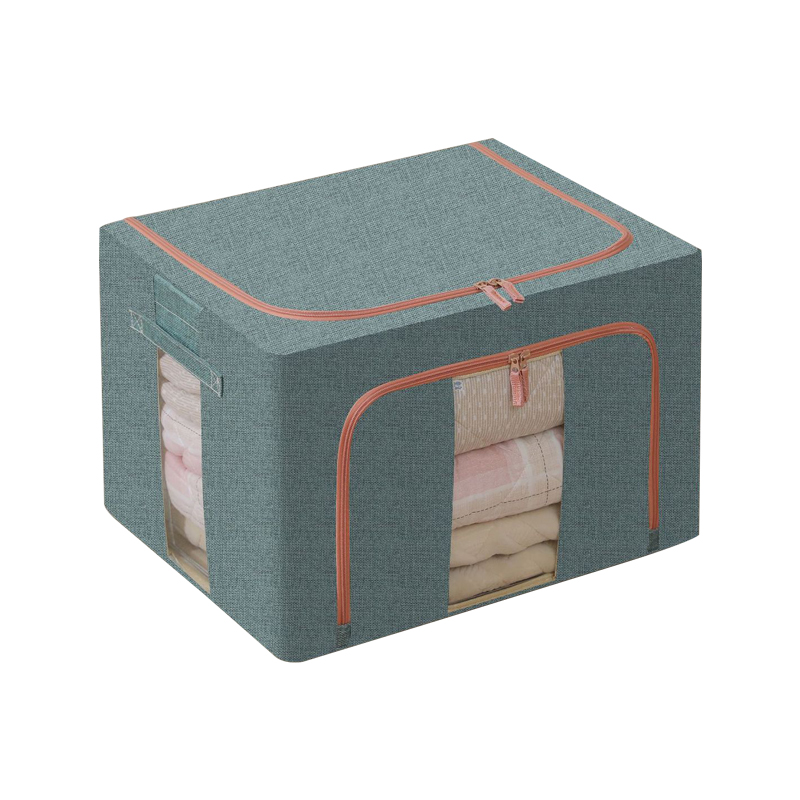
Storage Design Is Becoming More Flexible Storage areas rarely stay the same for long. Inventory levels change, product categories shift, and available...
READ MORE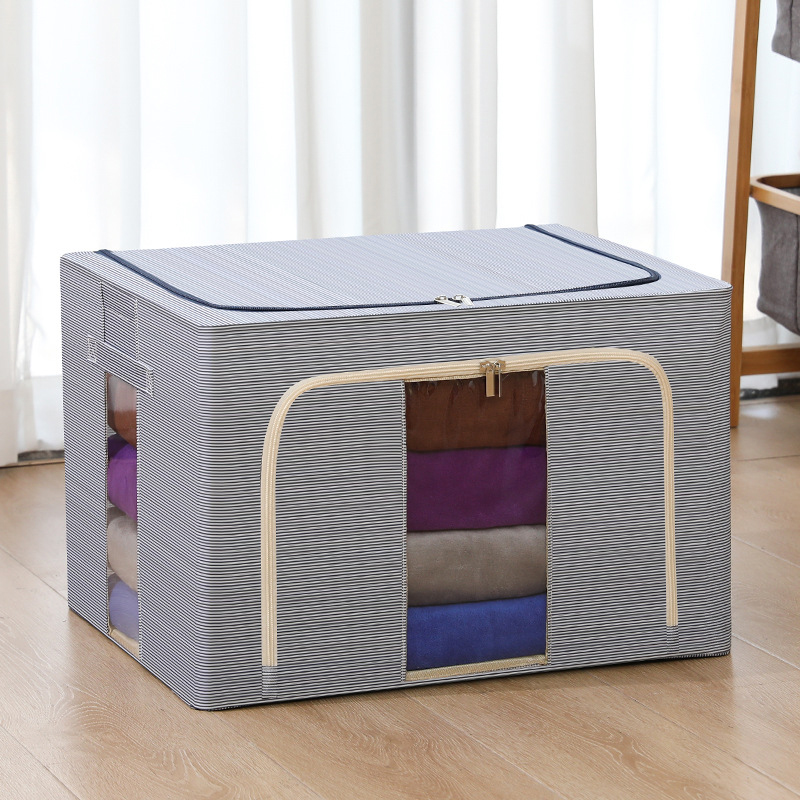
Polyethylene frames form the structural backbone of many compact and industrial storage systems. A PE fram storage organizer typically combines molded...
READ MOREThe bedroom closets are running out of room. Seasonal items with nowhere obvious to go. Apartments where every square foot has to do double duty. These are the situations that drive purchases in the foldable fabric storage category — and it's a category that has grown steadily as urban living spaces have trended smaller and consumers have become more deliberate about how they manage what they own. Foldable fabric storage bins, collapsible storage bins, and under-bed organizers aren't glamorous products, but they solve tangible problems. That's what keeps them moving across retail shelves and e-commerce platforms year after year.
Picking the material comes down to three real-world questions. How should the product behave structurally? Where will you use it? And what price are they trying to hit? The category draws from a consistent set of material options, each with real trade-offs.
| Material | Notable Properties | Typical Application | Maintenance |
| Oxford Polyester (300D/600D) | Durable weave, fold-resistant | Mid-range foldable bins, under-bed organizers | Spot clean or hand wash |
| Non-woven Polypropylene | Low cost, lightweight, printable | Entry-level collapsible bins | Wipe clean |
| 600D Polyester | Stiff, shape-retaining | Heavy-duty bins, structured under-bed organizers | Spot clean |
| Canvas / Cotton Blend | Soft hand, natural texture | Decorative foldable boxes | Spot clean; gentle hand wash |
| Laminated / Lined Fabric | Moisture-resistant interior | Under-bed organizers for clothing storage | Wipe interior lining |
Internal support structures vary by product type. Collapsible bins typically use either a foldable wire frame — which pops open and holds shape reliably — or a system of rigid plastic or cardboard panels joined at fold points. Under-bed organizers more often use semi-rigid base inserts for floor stability, with softer sides that collapse inward once emptied.
A foldable fabric product that works well in practice is the result of specific design decisions, not just material selection. Several features define how a product behaves day-to-day:
The practical value of these three product types comes from how well they map to storage situations that a significant number of consumers actually face.
Q1: What distinguishes a collapsible storage bin from a regular foldable fabric bin?
A collapsible storage bin has a structural frame — wire or panel-based — that holds the bin in a defined open shape during use. A basic foldable fabric bin without this frame functions more like a soft bag and won't maintain upright sides when partially filled.
Q2: How flat do collapsible bins actually fold?
This varies by design. Well-engineered wire-frame bins can compress to 3–5 cm. Panel-based designs typically fold flatter. The product listing or specification sheet should give the collapsed dimension; if it doesn't, it's worth asking before ordering in volume.
Q3: What should I look for in an under-bed organizer if I'm storing clothing long-term?
Look for a product with a moisture-resistant inner lining, a close-fitting lid, and handles on the short ends. A transparent or mesh lid window makes it easier to identify contents without pulling the whole organizer out from under the bed.
Q4: Can collapsible fabric bins hold heavy items?
They handle moderate, mixed loads reasonably well — folded clothing, toys, accessories, linens. For consistently heavy contents, a bin with a reinforced base and a robust frame will perform better than a lightweight non-woven version. Avoid using fabric bins for items like books or tools that would stress the base seams.
Q5: Are foldable fabric storage products available in eco-friendly materials?
Yes. Recycled polyester options are available at many price points, and some manufacturers offer products made with certified organic cotton or other lower-impact materials. Certifications like OEKO-TEX Standard 100 confirm that fabrics meet tested thresholds for harmful substances, which is a more verifiable claim than general "eco-friendly" labeling.
Q6: How long do collapsible storage bins typically last?
This depends heavily on construction quality — particularly the frame type and attachment method — and how often the product is opened and closed. A well-made Oxford fabric bin with a properly anchored wire frame should remain functional through regular seasonal use for several years. Cheaper non-woven versions with minimal frame attachment may show wear within a year of regular cycling.

Foldable Fabric Storage Bin Factory

Contact Us
 No. 15, Hetian Road, Shangxi Town, Yiwu City, Zhejiang Province
Mobile