

 English
 中文简体
中文简体 Español
 Deutsch



Aligning Design with Commercial Requirements Projects typically begin with a review of intended contents, handling frequency, and available shelf or f...
READ MORE



Aligning Design with Commercial Requirements Projects typically begin with a review of intended contents, handling frequency, and available shelf or f...
READ MORE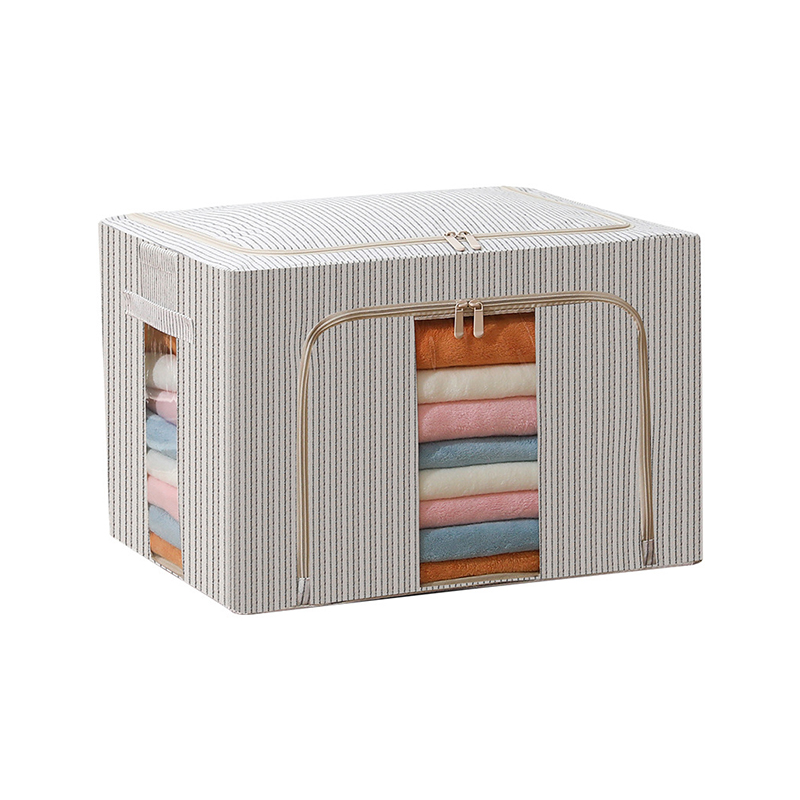
Empty a plastic bin and it still takes up the same amount of floor space it did when full. That's the annoying part nobody warns you about until movin...
READ MORE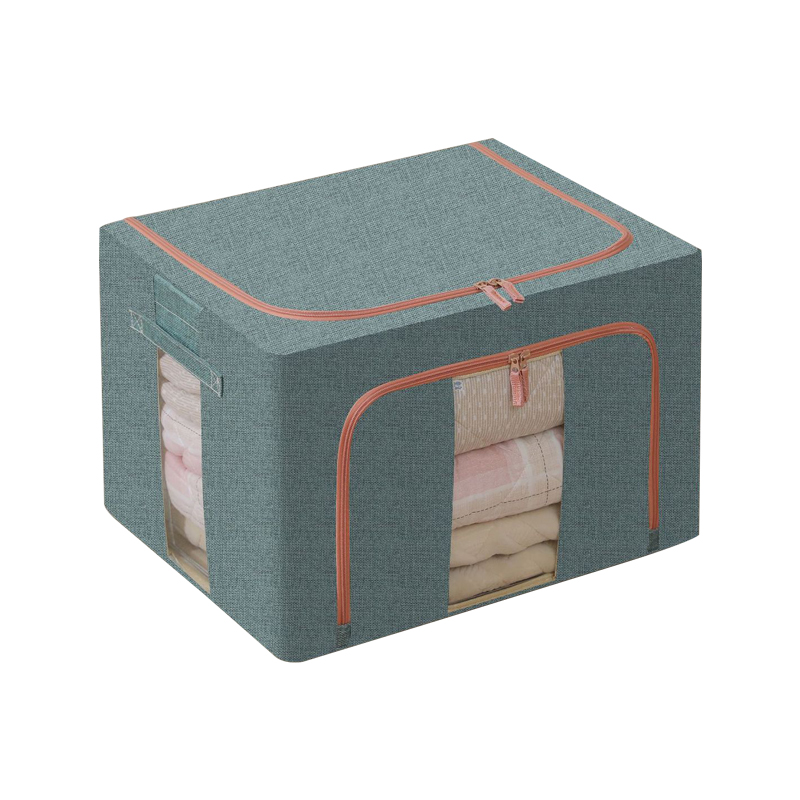
Storage Design Is Becoming More Flexible Storage areas rarely stay the same for long. Inventory levels change, product categories shift, and available...
READ MORE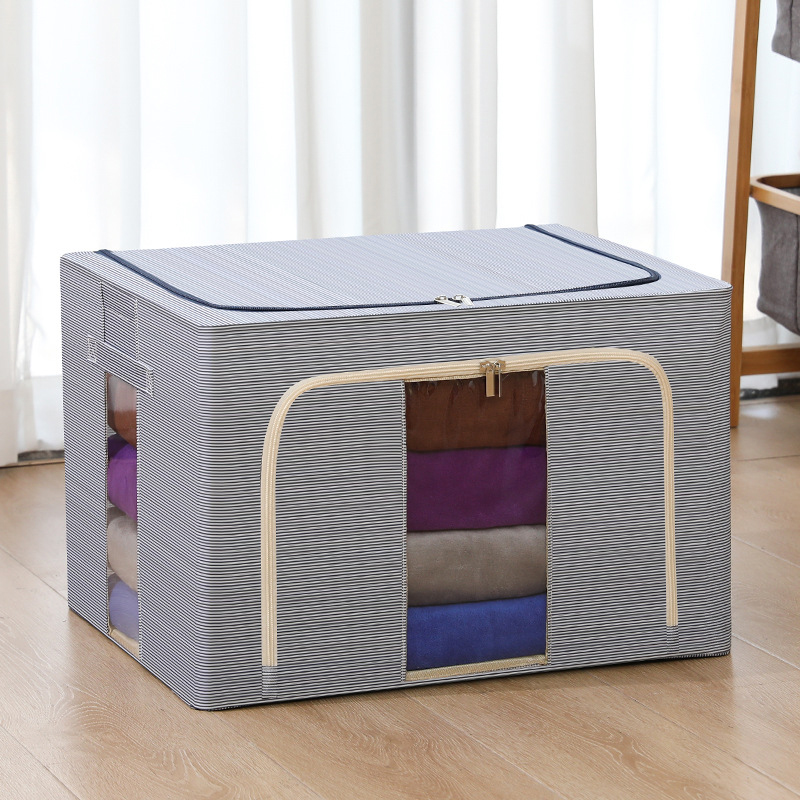
Polyethylene frames form the structural backbone of many compact and industrial storage systems. A PE fram storage organizer typically combines molded...
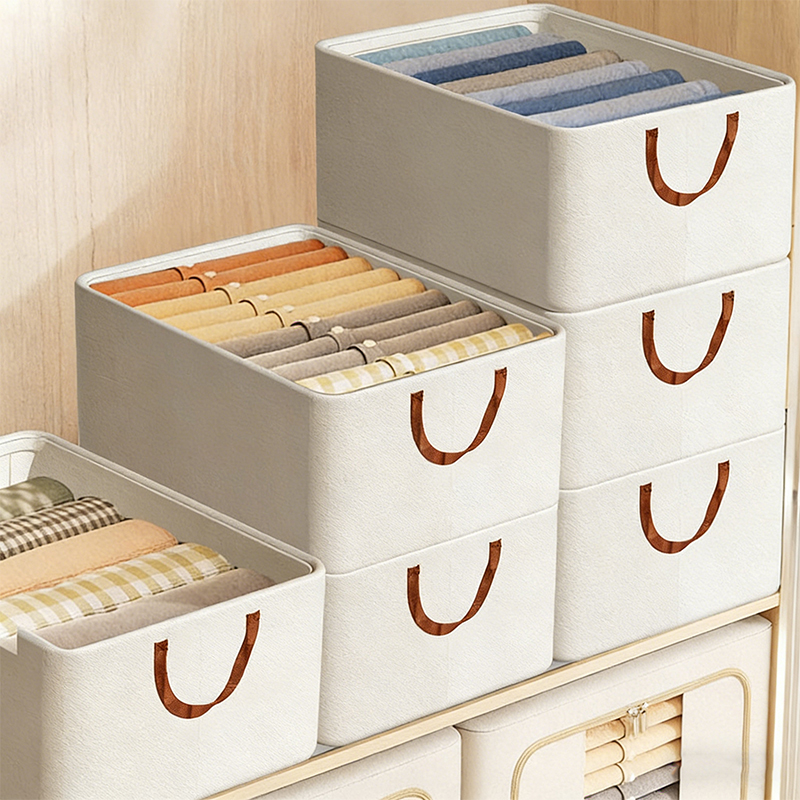
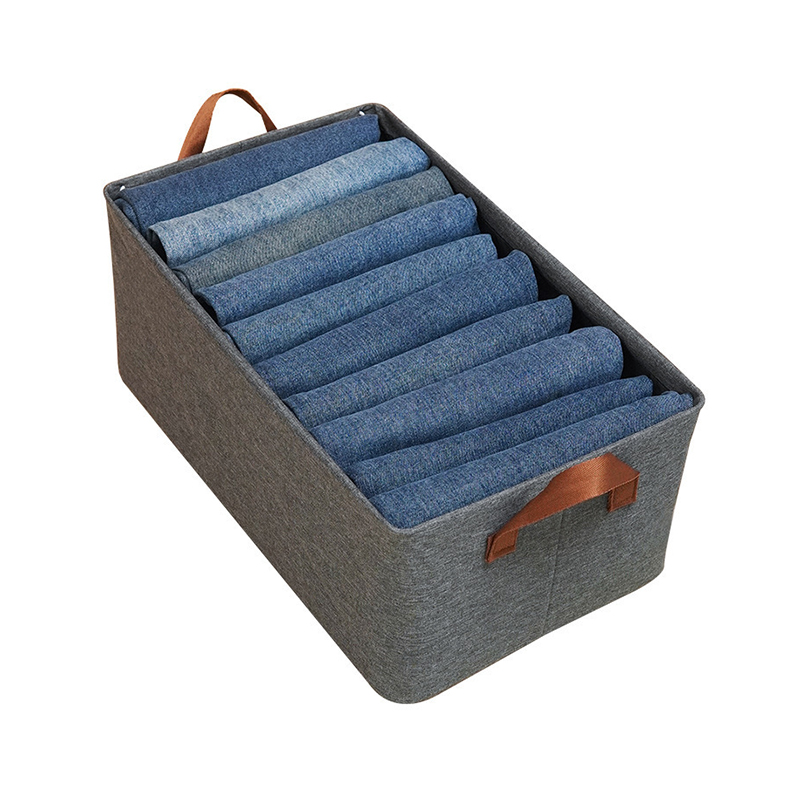
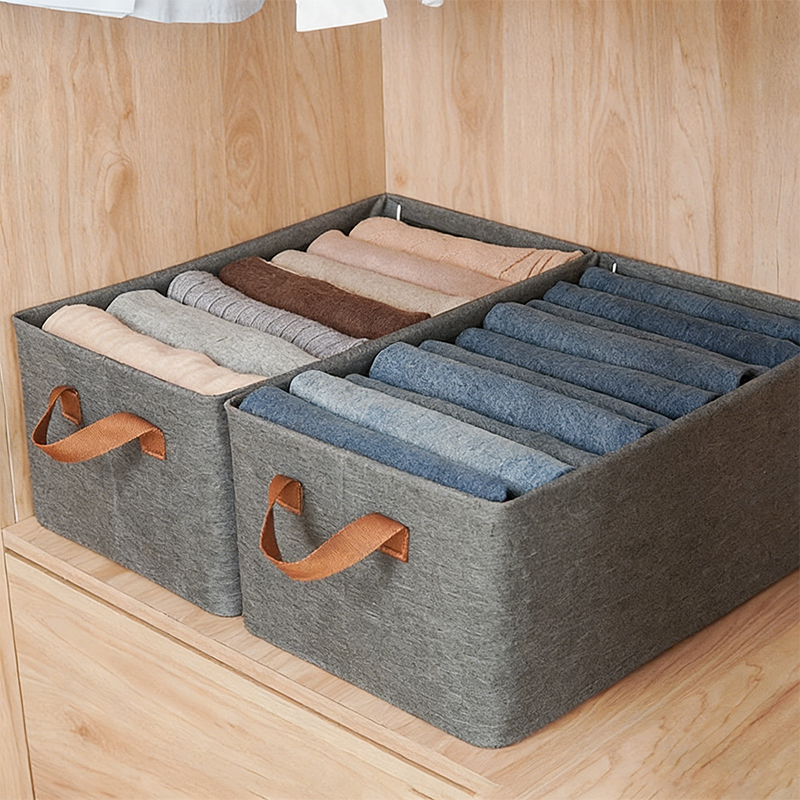
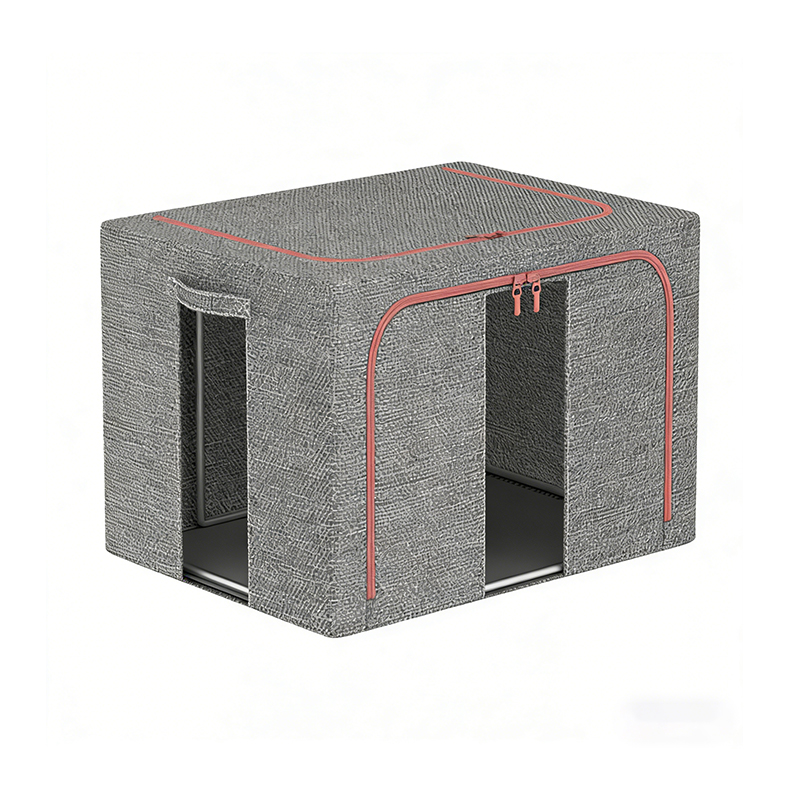
READ MOREIn the realm of modern home organization, foldable fabric storage solutions have increasingly become an essential component of daily tidying routines. These products give you greater freedom in materials, build, and function. That's why they work in so many different spaces, while rigid containers just can't keep up. Consumer interest in space use and lifestyle convenience keeps rising, and fabric storage design continues evolving.
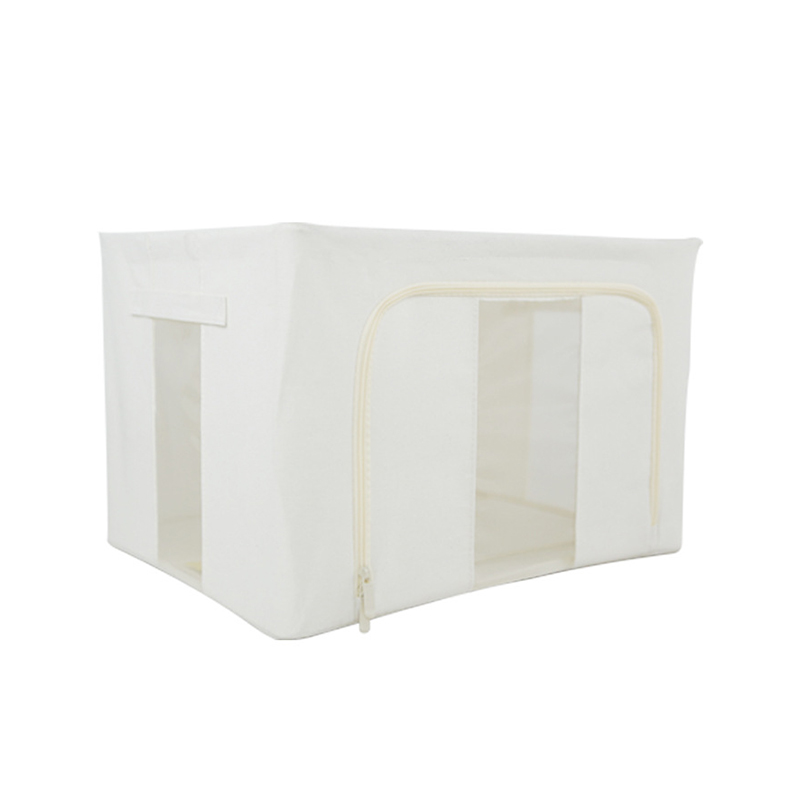
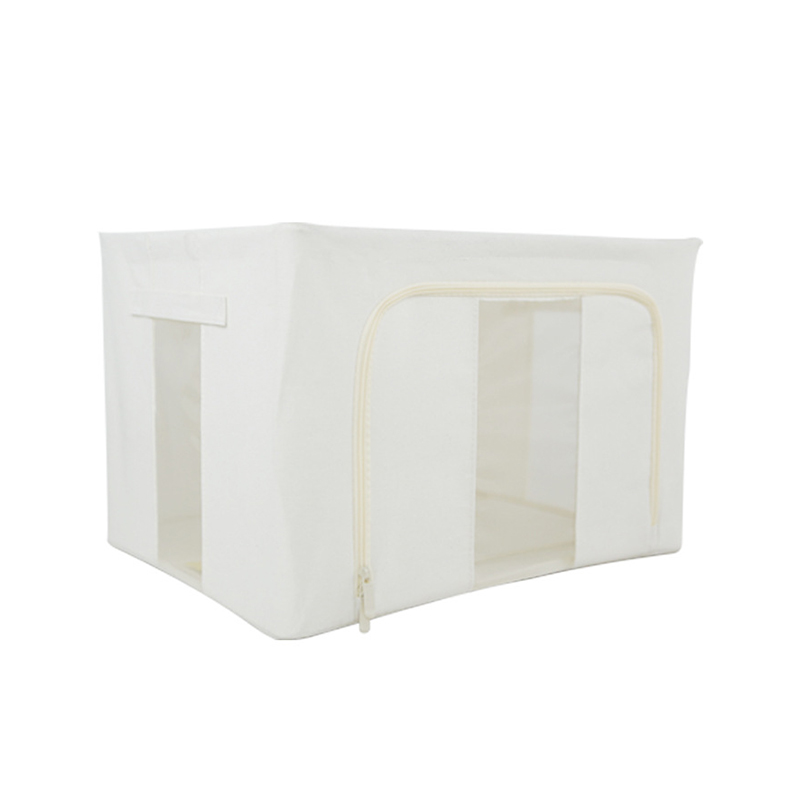
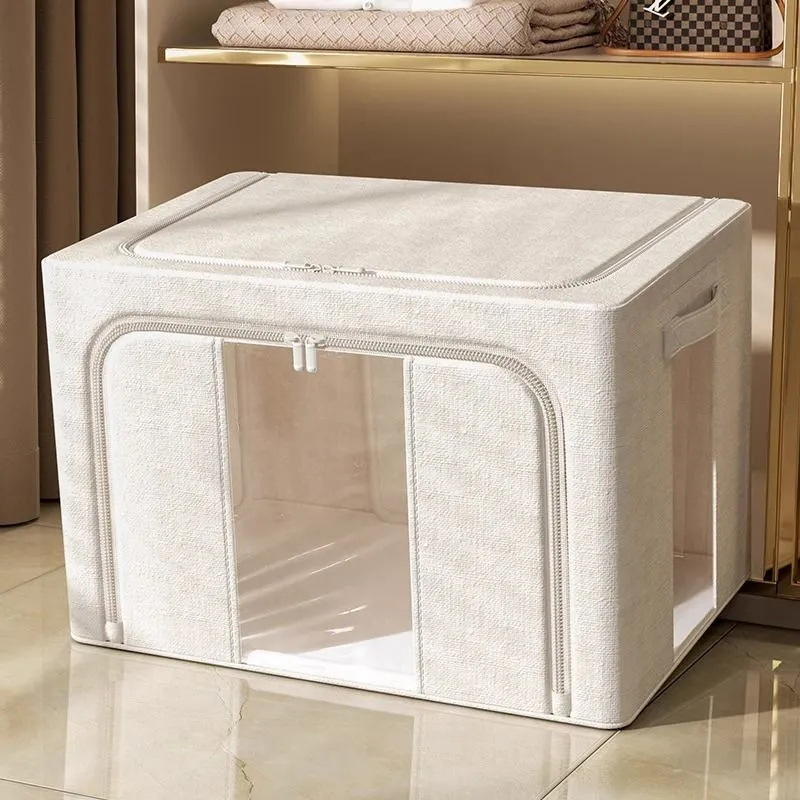
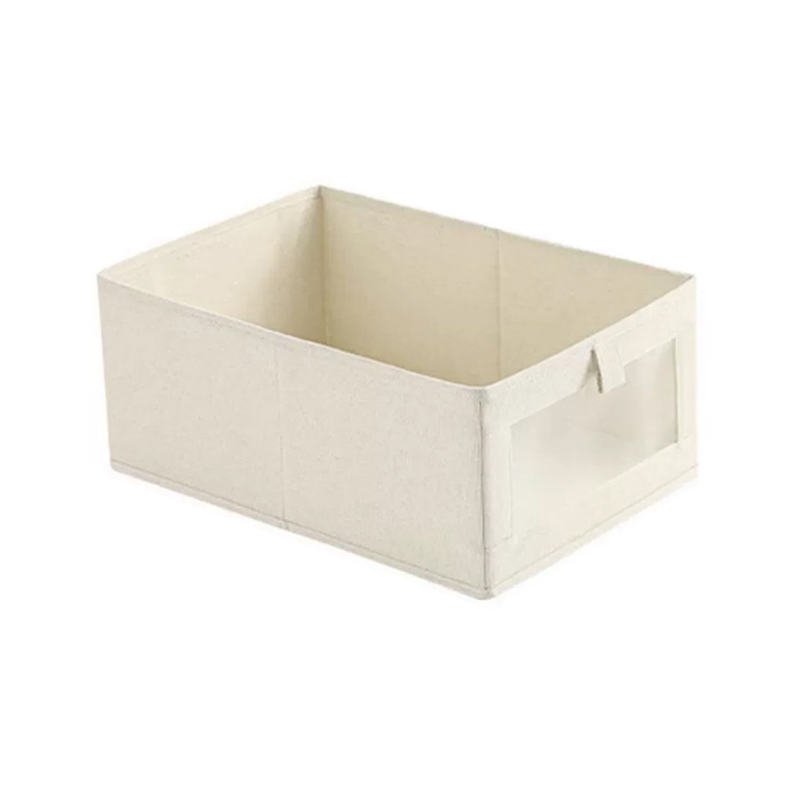
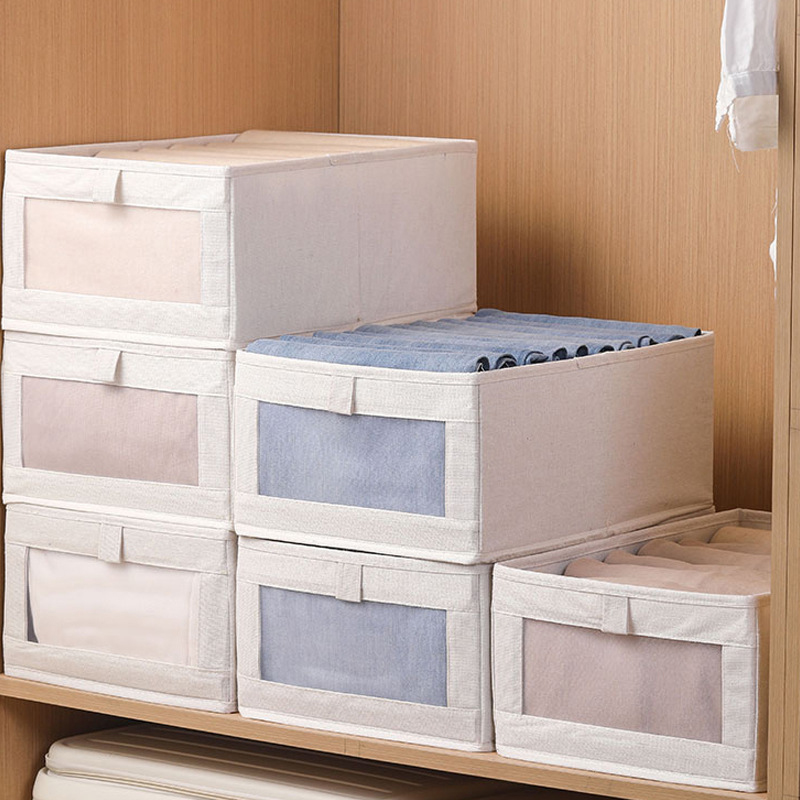
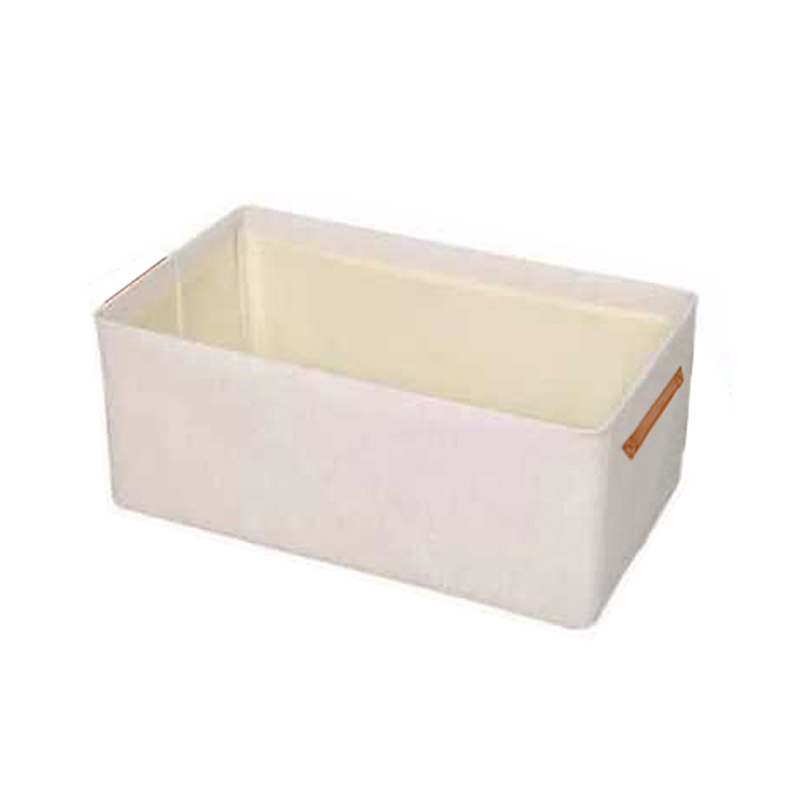
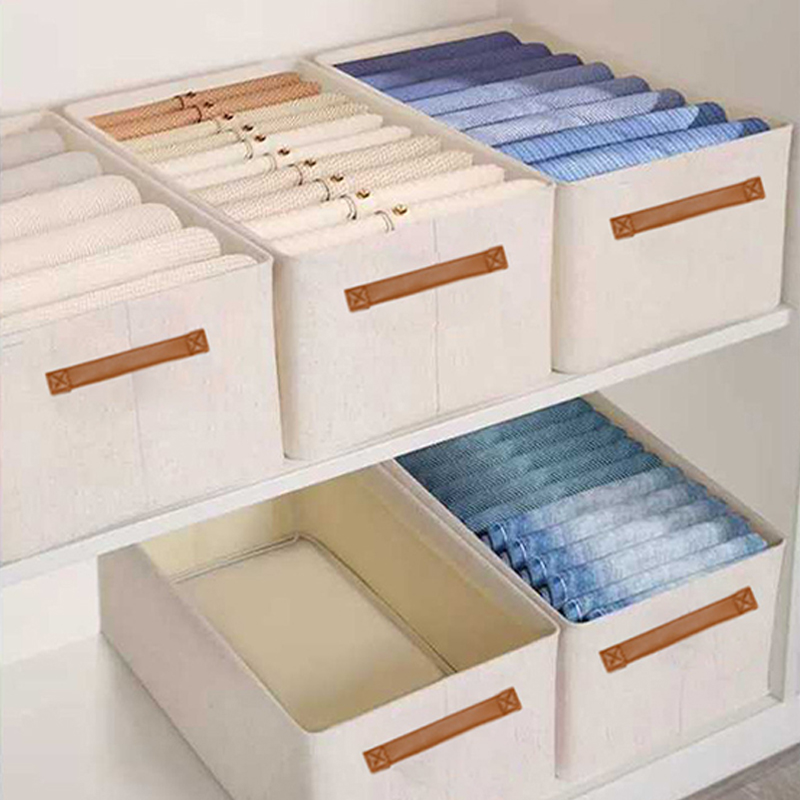
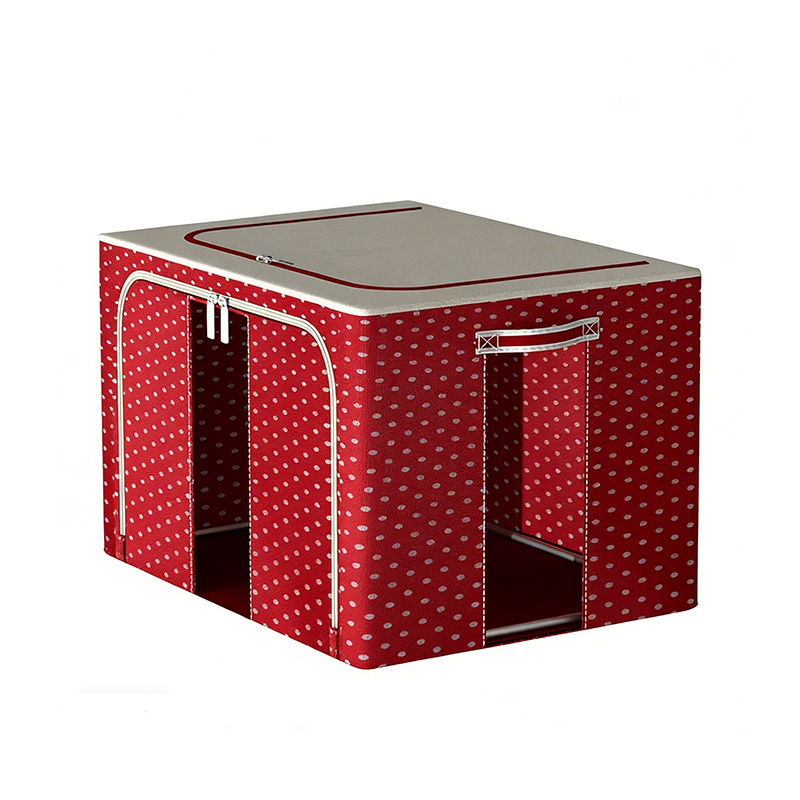
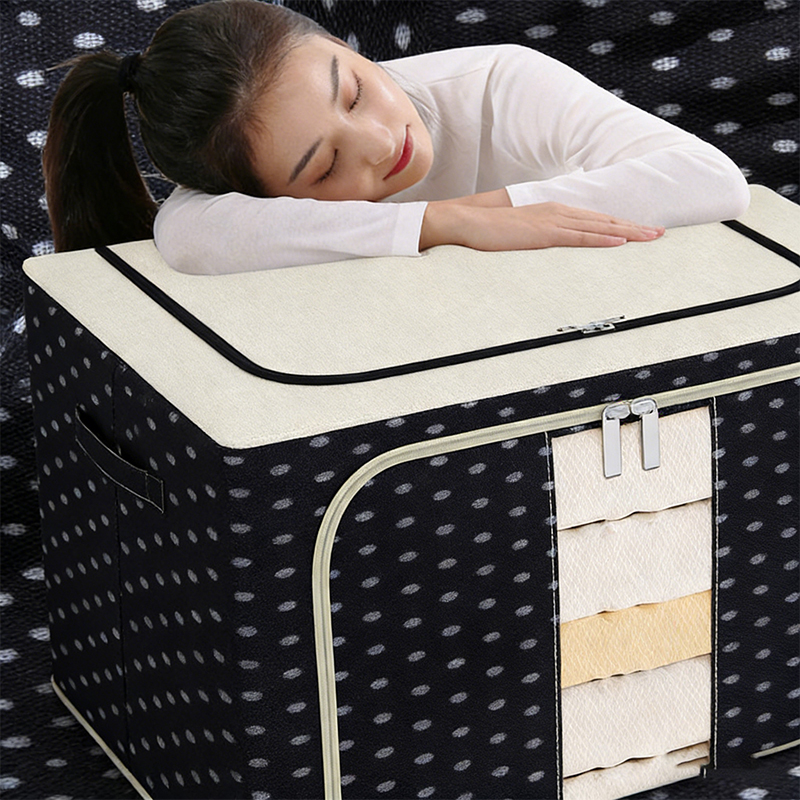
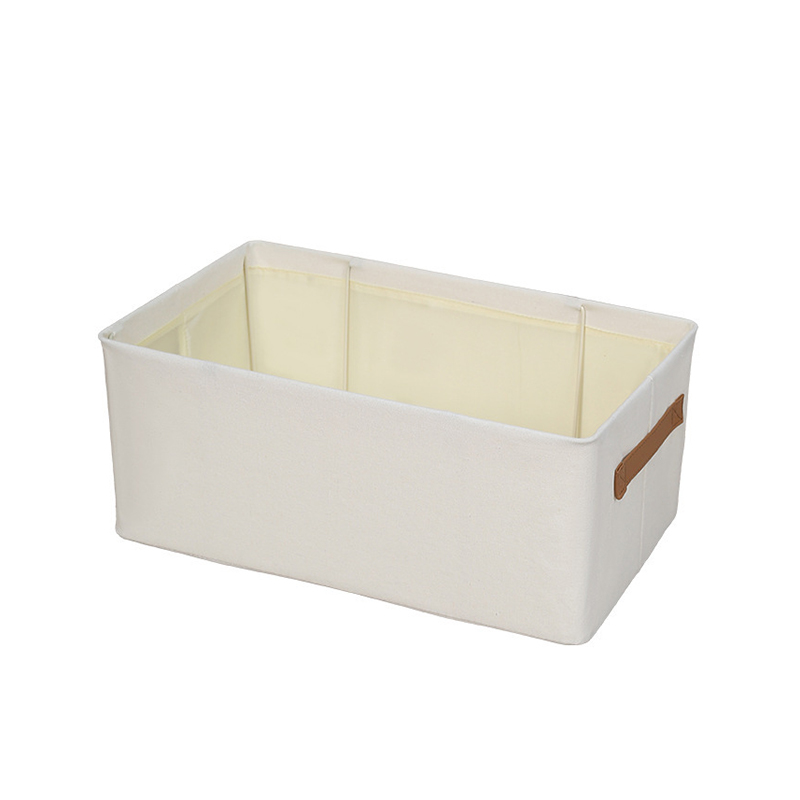
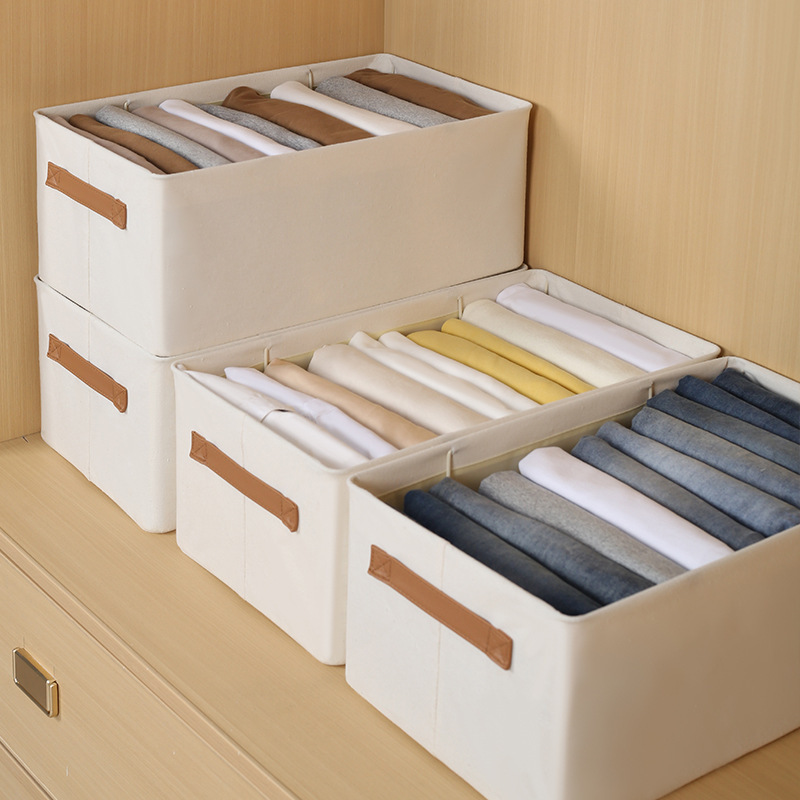
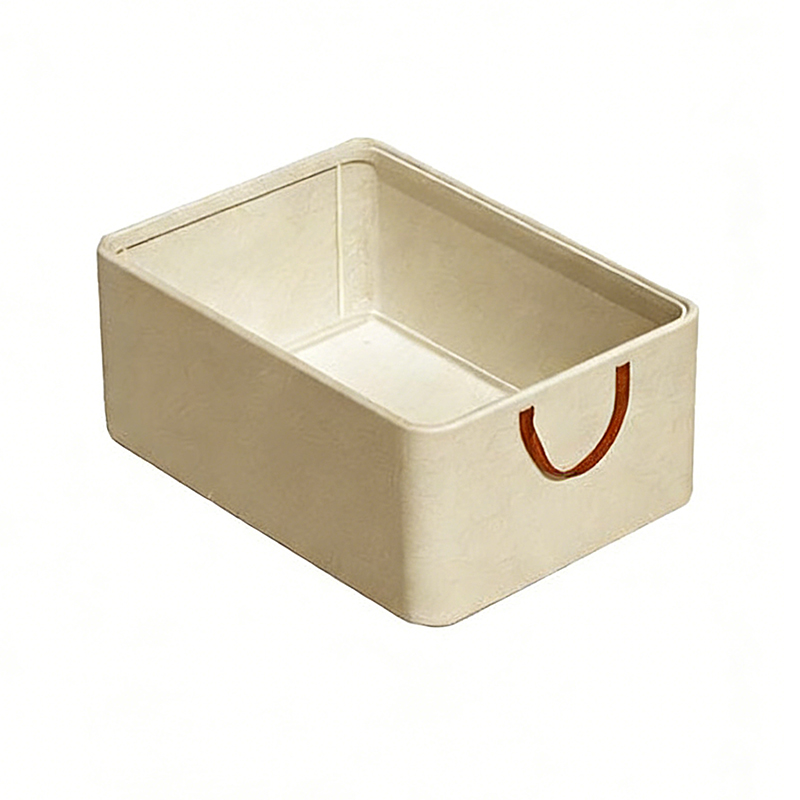
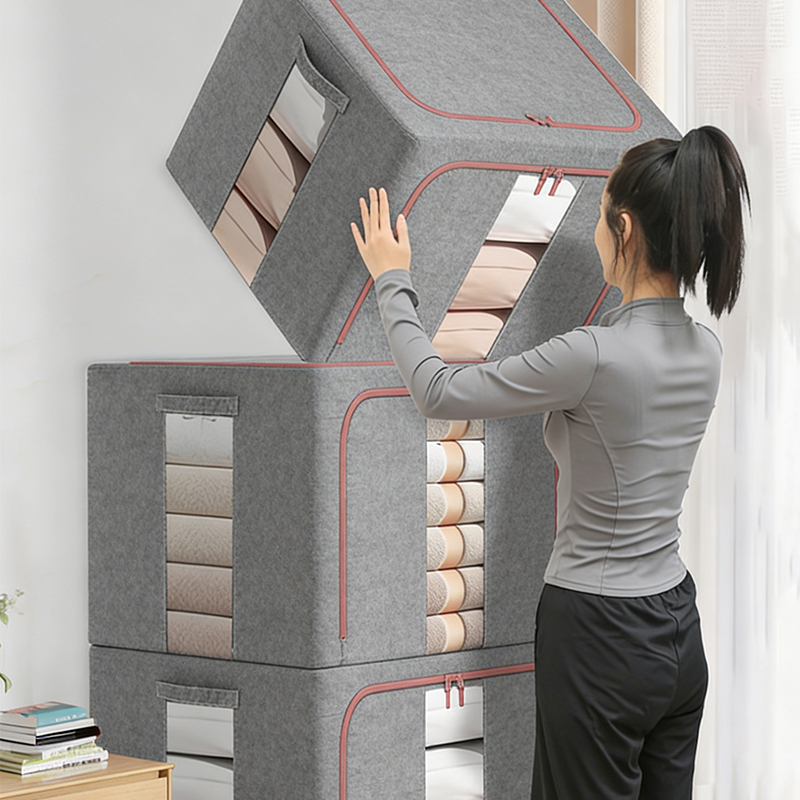
Many fabric storage boxes are made from Oxford cloth, non-woven fabric, or cotton-linen blends. These materials hit that sweet spot between being durable and being nice and lightweight. The big selling point of foldable storage bins is pretty simple: they fold up small.
Key features include:
When it comes to their build, some fabric storage boxes come with stiff baseplates or side panels for extra support. That way, once you unfold them, they hold their shape nicely and steadily.
The core advantage of foldable storage bins lies in their "collapsible" structure. This design allows the storage unit to be compressed in volume when not in use, thereby saving valuable space.
The practical value offered by this foldable structure includes:
Furthermore, some products feature elastic frames or removable support structures, making the folding process even smoother and more effortless.
Thanks to their inherent flexibility, foldable fabric storage solutions are widely utilized across various aspects of daily life.
Home Organization:
Sorting and organizing clothing
Storing seasonal items
Organizing children's toys
Office Environments:
Organizing files and documents
Categorizing office supplies
Optimizing desktop space
Commercial & Retail Settings:
Auxiliary storage for product displays
Warehouse categorization
Temporary inventory management
Fabric storage products come in all kinds of textiles. Each material has its own superpowers when it comes to how it feels, how long it lasts, and where it works ideally. You'll often find materials like cotton, linen, canvas, and synthetic fiber blends. And here's the fun part: each type has unique perks when it comes to flexibility, style choices, and how versatile the design can be. The following is a comparative overview of several mainstream fabric types:
| Fabric Type | Key Features | Suitable Applications |
| Non-woven Fabric | Affordable, lightweight; often paired with a cardboard frame | Organizing small daily items, bookshelf storage |
| Oxford Cloth (600D) | Water-resistant, wear-resistant, long service life | Wardrobe clothing, seasonal bedding storage |
| Cotton-Linen Blend | Highly breathable, natural aesthetic | Decorative storage in living rooms, study organization |
| Canvas | Thick, durable, strong load-bearing capacity | Storing heavy items, temporary organization during moves |
Notably, advancements in textile technology have enabled the widespread application of water-resistant coatings and antimicrobial treatments, effectively enhancing both the functionality and longevity of fabric-based storage products. There is a growing trend toward products utilizing recycled fibers and organic fabrics, reflecting the market's increasing focus on sustainable materials.
In practical use, specific design details can directly influence the overall storage experience:
These design touches might seem pretty basic, but over time, they can really save you effort and make life a whole lot easier.
When selecting a Fabric Storage Box or Foldable Storage Bin, consider the following factors:
Q1: What is the difference between a Fabric Storage Box and a plastic storage bin?
Fabric storage boxes are lighter and collapsible, making them ideal for flexible storage solutions; plastic storage bins feature a more rigid structure, making them suitable for long-term stacking.
Q2: Are foldable storage bins durable?
Two big factors decide how tough a storage box is: the fabric and the frame. Products that include a support frame are generally much more stable, so they're ideal for handling everyday life with ease.
Q3: What types of items are suitable for storage in foldable fabric bins?
Go ahead and use them for clothes, toys, lightweight household items, that kind of thing. But skip the heavy stuff and anything with sharp edges, especially if it's staying there a while.
Q4: How do I clean fabric storage boxes?
Many products can be cleaned by wiping them down with a damp cloth; some feature removable liners that allow for simple washing. Please refer to the specific product instructions for detailed cleaning guidelines.
Q5: Are they suitable for use in humid environments?
It is recommended to use these products in dry environments. When a humid room is your only option, try using a little moisture grabber. Or better yet, buy one that already comes with a moisture-resistant layer on it.
Foldable Storage Bin Maker

Contact Us
 No. 15, Hetian Road, Shangxi Town, Yiwu City, Zhejiang Province
Mobile