

 English
 中文简体
中文简体 Español
 Deutsch



Foldable Storage Bin Maker


2026-06-26
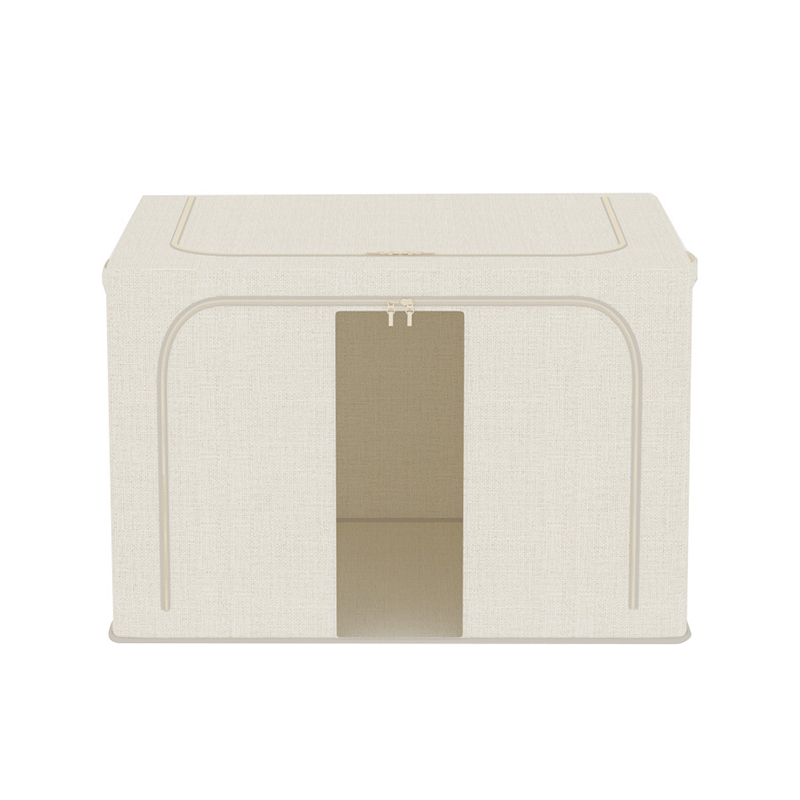
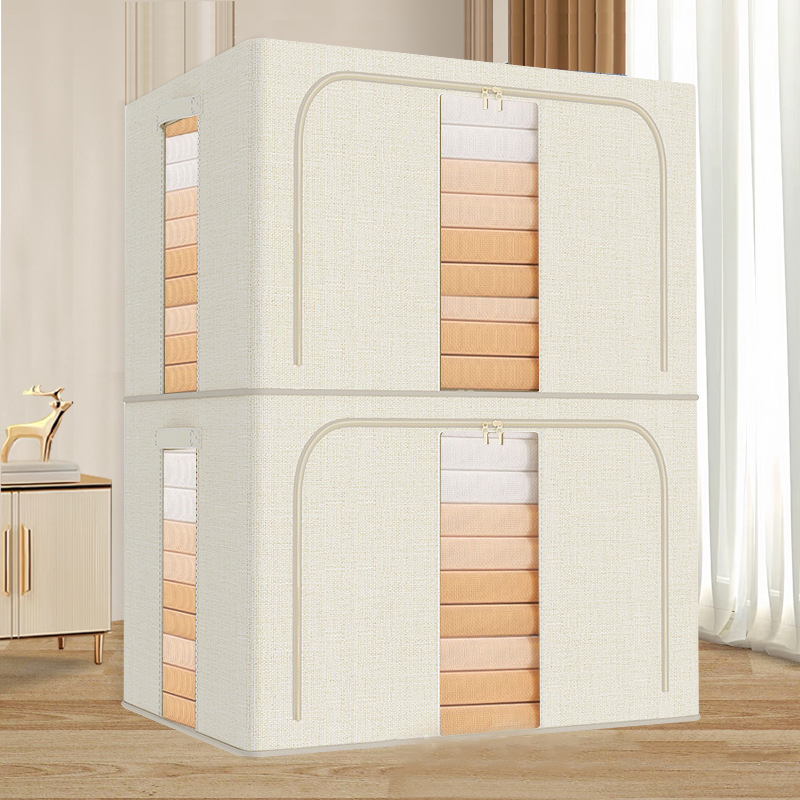
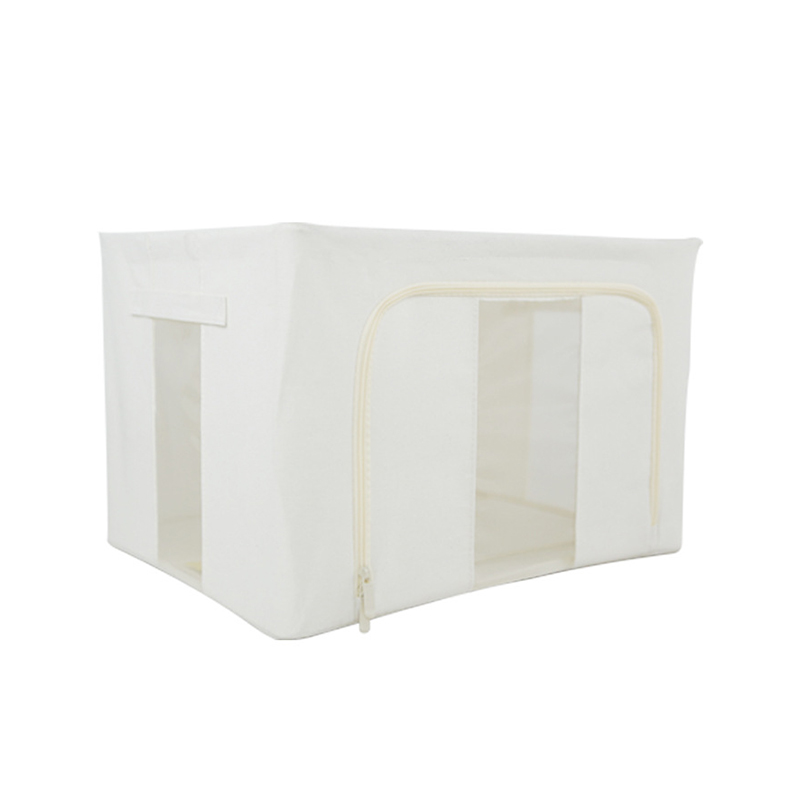
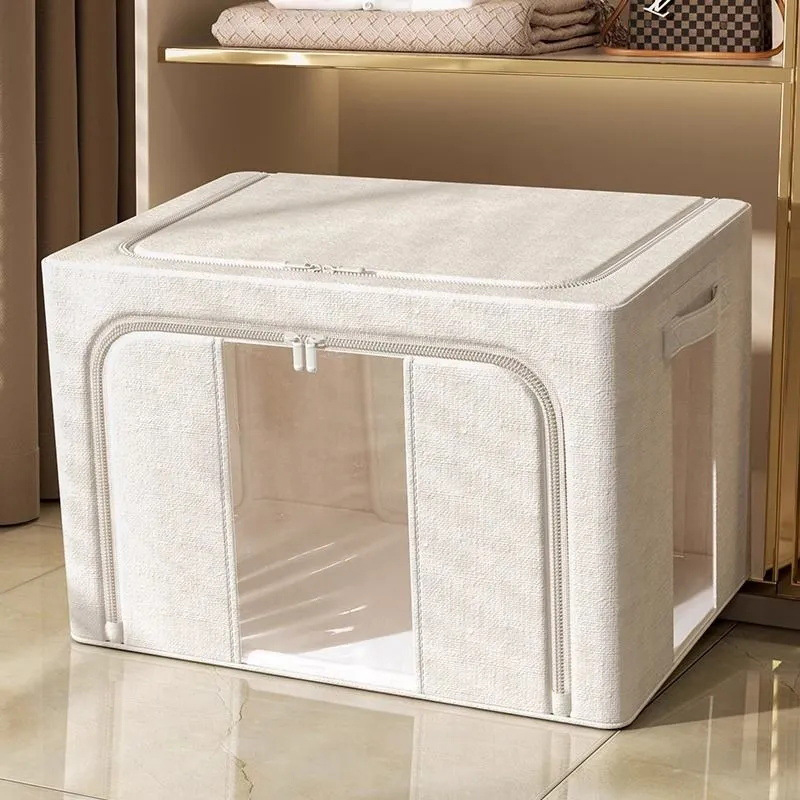
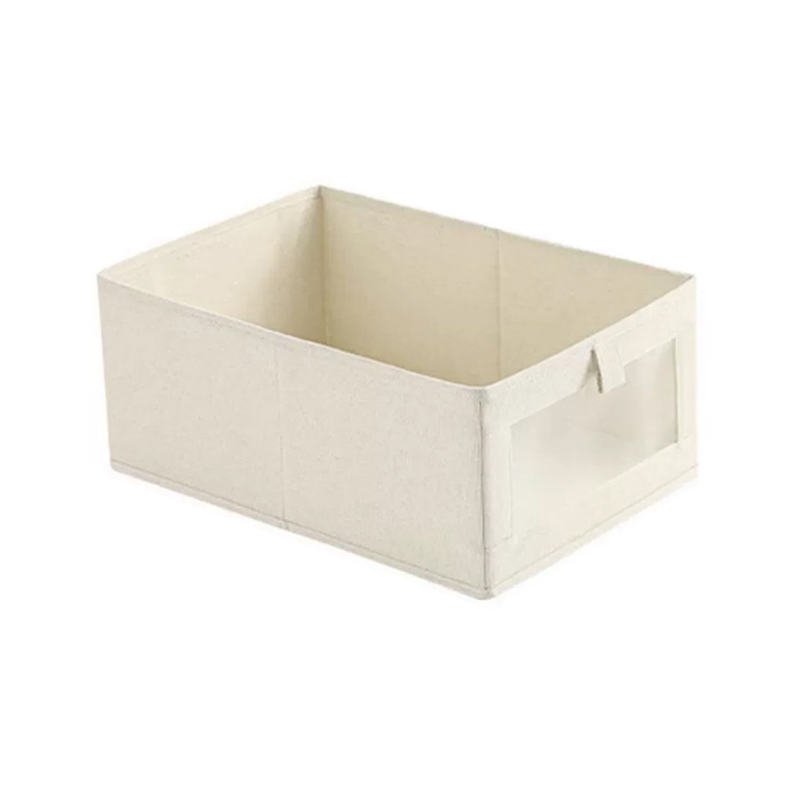
Foldable shipping boxes are containers engineered to collapse into a flatter form when empty. This design supports reduced space requirements during return trips or storage periods. Constructed with sides that fold along designated lines, these boxes can transition between expanded and collapsed states through straightforward actions.
Many include features that maintain structural integrity while allowing repeated use. The ability to fold contributes to streamlined handling in environments where space management matters. Their construction supports assembly and disassembly without complex procedures.
Producers utilize several materials for foldable shipping boxes, such as corrugated cardboard, plastic composites, and reinforced fiberboards. Corrugated options offer a balance of strength and lightness in many configurations. Plastic variants frequently incorporate polypropylene or similar synthetics that provide flexibility during folding.
Some designs combine layers to enhance overall performance. These material selections influence the weight and folding characteristics of the boxes. Variations in thickness and composition allow alignment with different operational requirements across standard uses.
Foldable shipping boxes often incorporate reinforced corners and edges to support basic load handling. Flaps and interlocking mechanisms help secure the structure once assembled. Some models feature handles or cutouts that assist with manual movement when filled.
Labeling areas and smooth surfaces facilitate identification and processing. Ventilation options appear in certain designs to support air flow where needed. Lid and closure systems vary, ranging from tuck-in flaps to more structured tops, contributing to general usability.
These boxes come in multiple dimensions, accommodating a range of volumes from smaller units to larger capacities. Standard rectangular shapes are prevalent, with some square or custom proportions available. Modular designs enable compatibility within sets of related sizes.
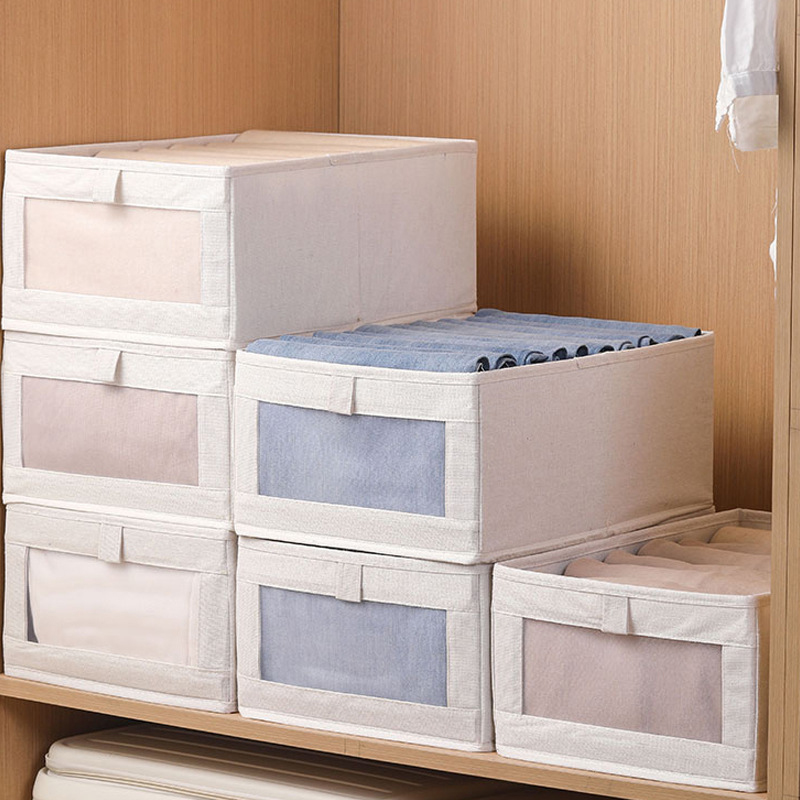
The collapsible aspect allows multiple units to nest or stack efficiently when folded. This configuration supports organized storage and transport in bulk quantities. Dimensional consistency across batches aids in planning for systematic arrangements.
Putting together a foldable shipping box takes less effort than it might look like at first. The process generally starts with opening out the flat panels, then working the base into position before bringing the sides up and locking them in place. Scored fold lines do most of the navigational work here — they tell you where the box wants to bend, and tab systems at the corners or base handle the securing without tape or tools. Breaking the box back down follows the same logic in reverse, pressing the structure flat again until it is compact enough to stack or store.
Most people find the mechanism clicks into place after the first couple of attempts. There is a brief learning curve, but it is genuinely brief — the kind that resolves itself through handling rather than instruction. No special equipment is needed, which makes these boxes practical across warehouses, retail back rooms, shipping stations, and home use alike. Design details like printed arrows, numbered panels, or contrast-colored fold lines help first-time users follow the right sequence and reach a consistent result without having to work anything out from scratch.
Attention to material type and wall strength can inform choices regarding foldable shipping boxes. Some options emphasize lighter weights for easier handling, while others focus on added reinforcement. Surface treatments and coatings vary to address general durability aspects.
Size compatibility with common transport methods receives consideration. Availability in neutral colors and standardized formats supports coordination in larger setups. Broader dimensional ranges help address diverse spatial and capacity needs.
 Quick View
 Quick View
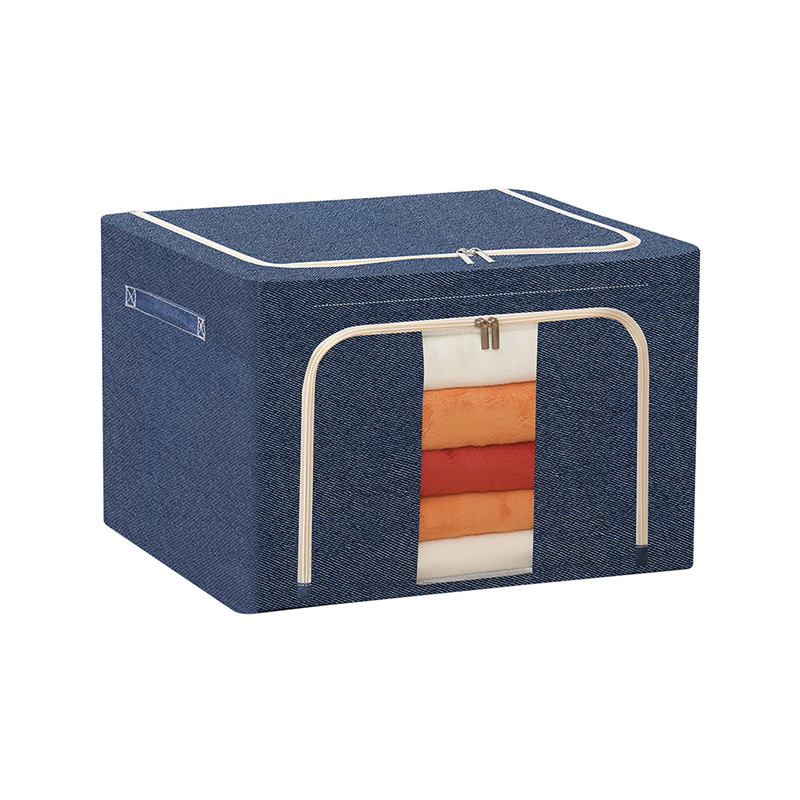
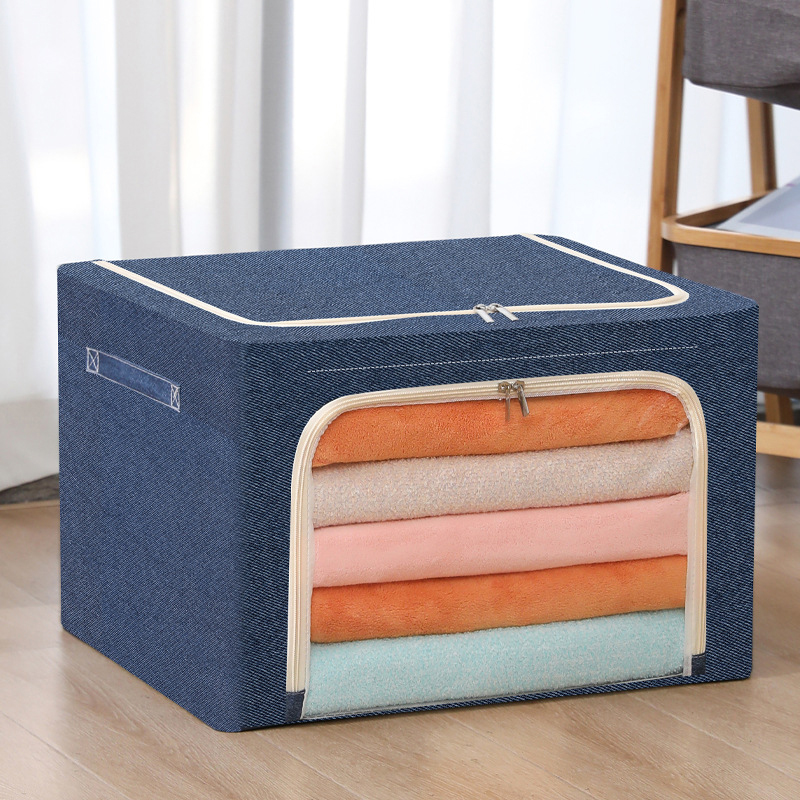 Quick View
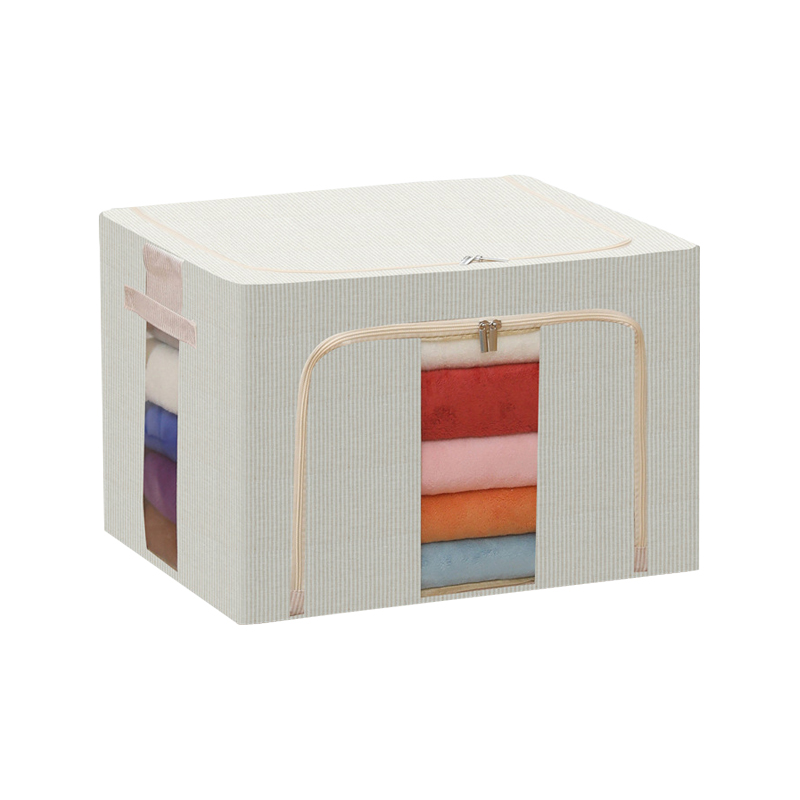
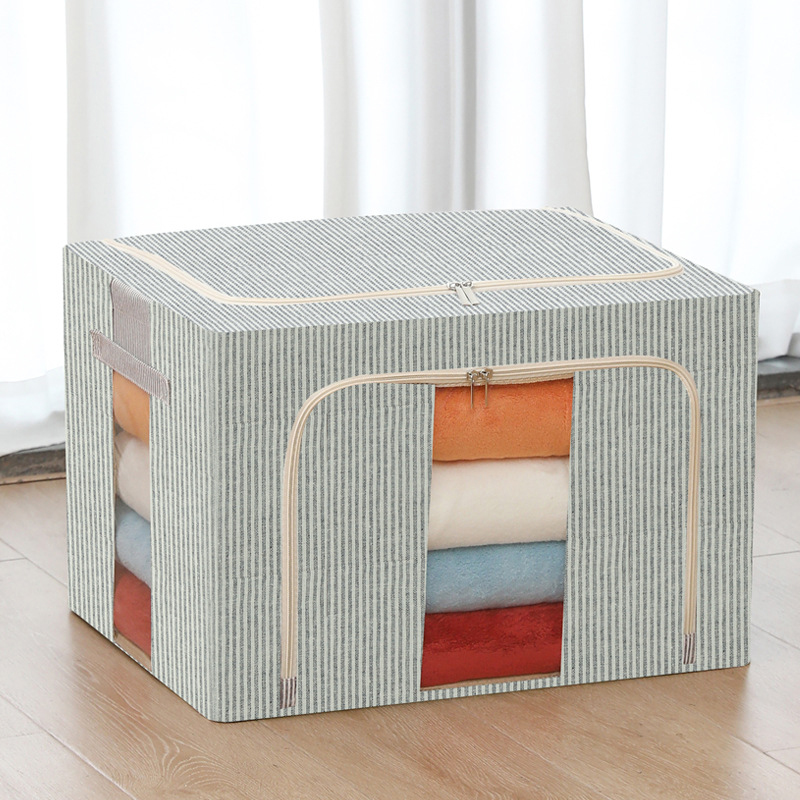 Quick View
 Quick View
 Quick View
 Quick View
 Quick View

Foldable Storage Bin Maker
Contact Us
 No. 15, Hetian Road, Shangxi Town, Yiwu City, Zhejiang Province
Mobile