

 English
 中文简体
中文简体 Español
 Deutsch



Foldable Storage Bin Maker


2026-06-19
Fabric is where cloth storage bags actually differ from one another, and the differences run deeper than surface appearance:
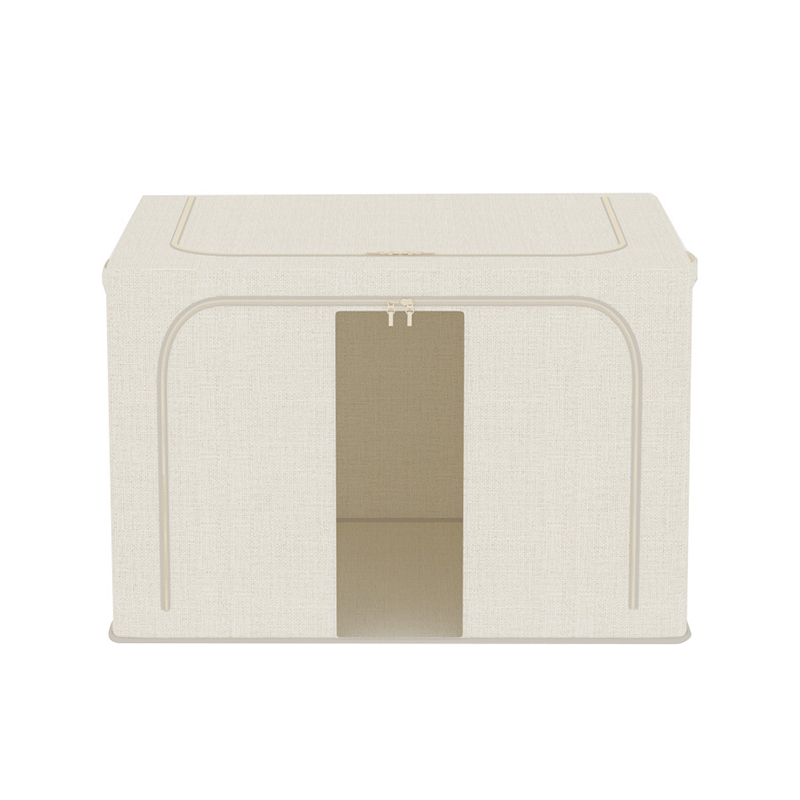
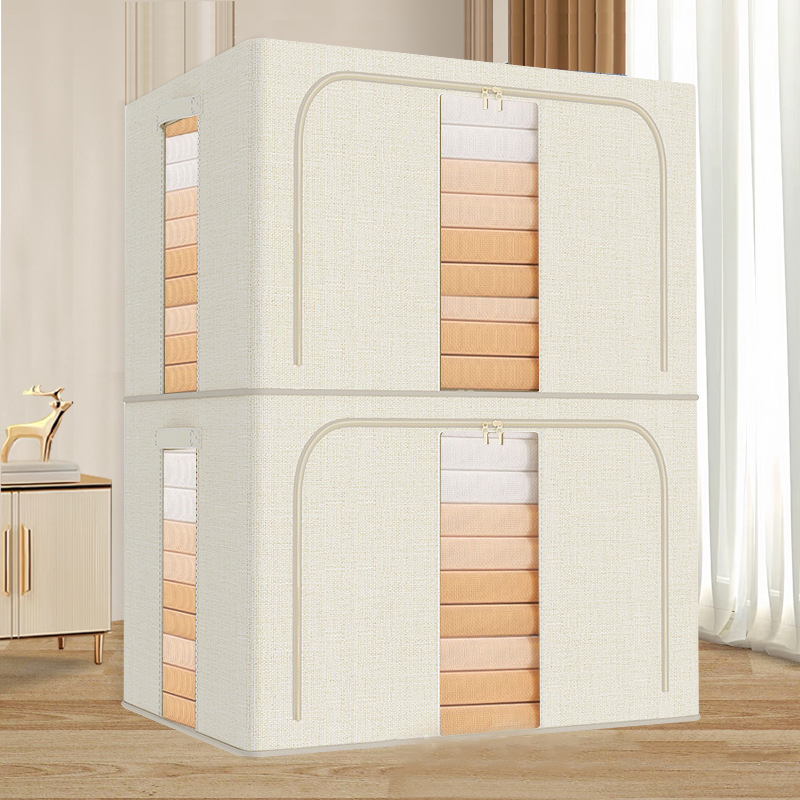
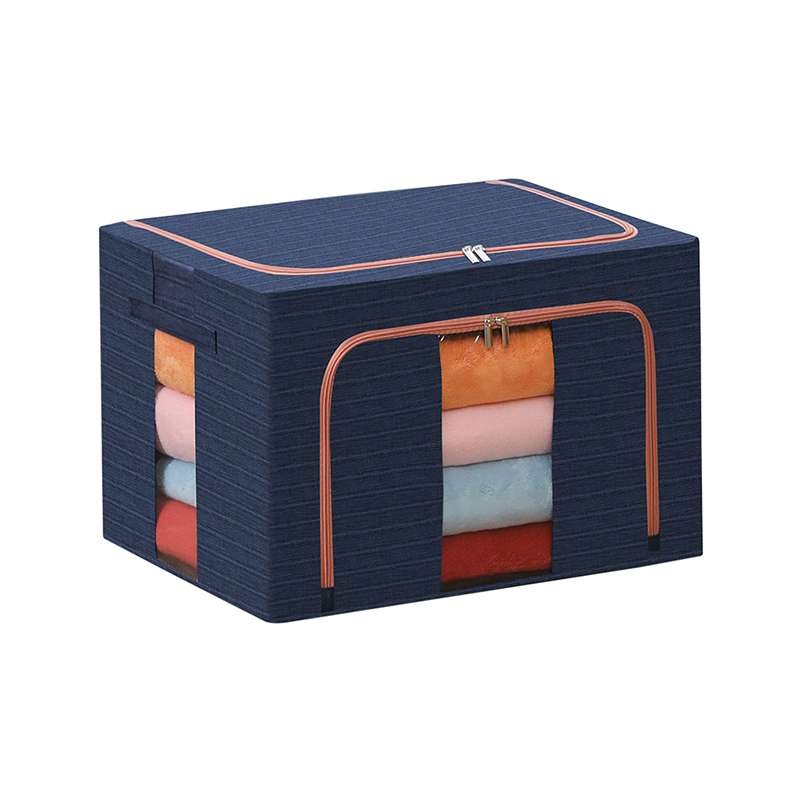
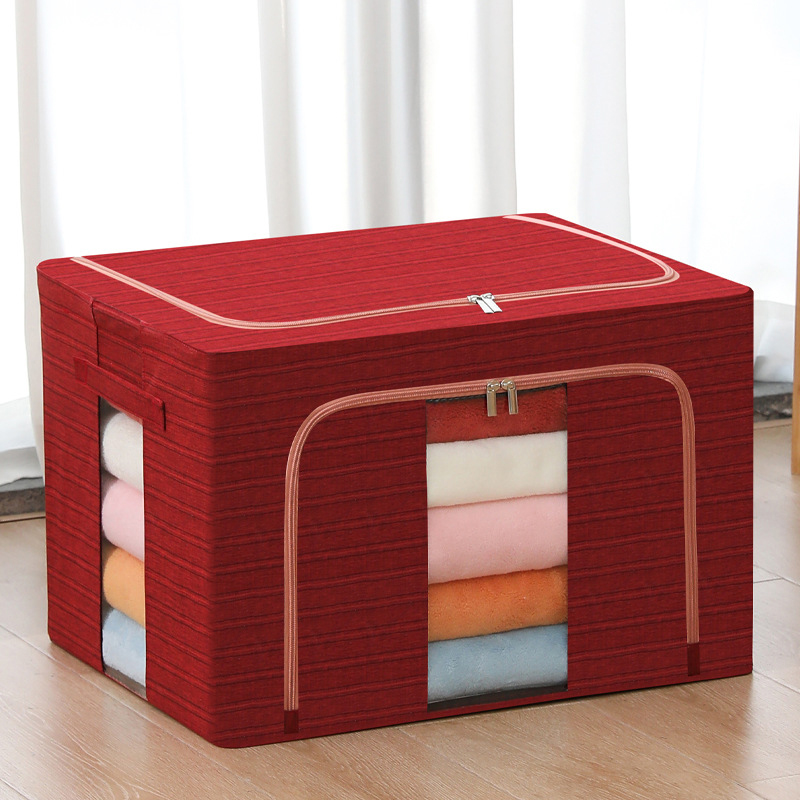
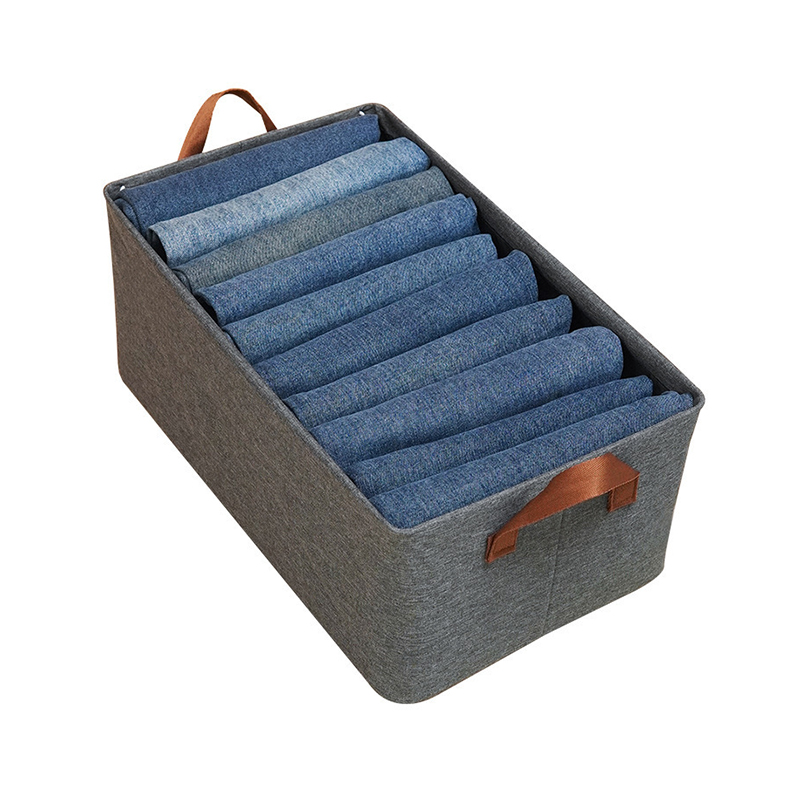
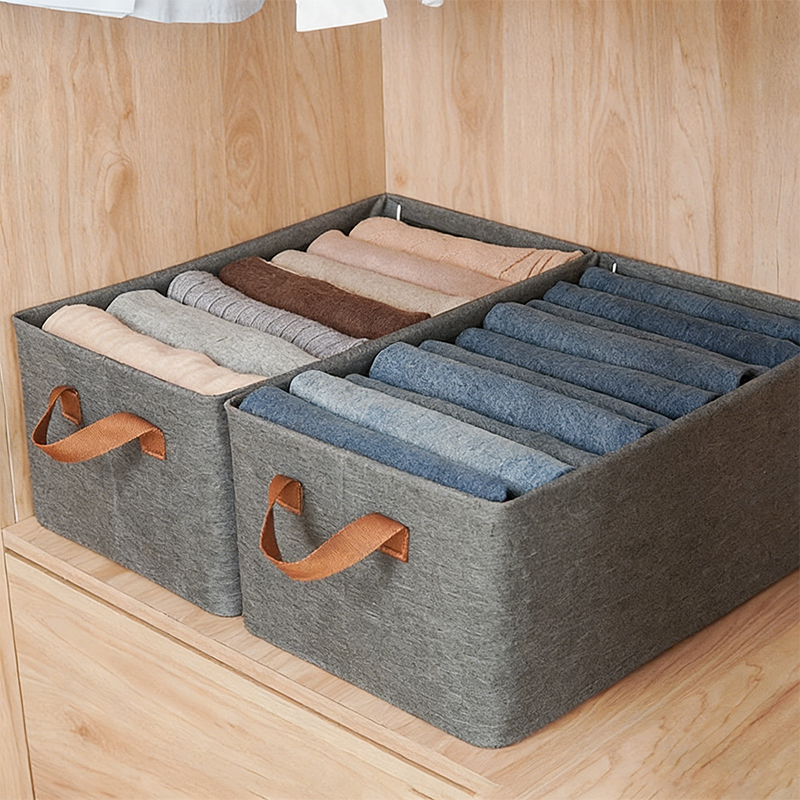
Whether a cloth storage bag holds its shape when partially filled comes down to how the structure is built, not just what the fabric weighs. A bag without a reinforcing element — a board insert, a wire frame, or layered panels in the base and sides — tends to fold inward once it drops below full capacity. That collapse makes open-top shelf organizers less functional in daily use and less appealing in retail display. Stitched-in base inserts and structured side panels give the bag enough rigidity to maintain its profile independently, which matters for any product expected to sit on a shelf and look composed while doing it.
Handle configuration shapes how the bag is actually used. Rope handles in cotton or jute read well in decorative contexts and suit living area storage where visual details count. Fabric loop handles are lower-profile and better suited to shelf storage where the handle needs to fold flat rather than project outward. Reinforced webbing handles are the practical choice for heavier loads — toys, laundry, seasonal textiles — where the attachment point takes repeated stress and needs to stay intact over time. Label windows and chalkboard tag panels on the exterior address the straightforward problem of knowing what is inside without pulling the bag off the shelf to check.
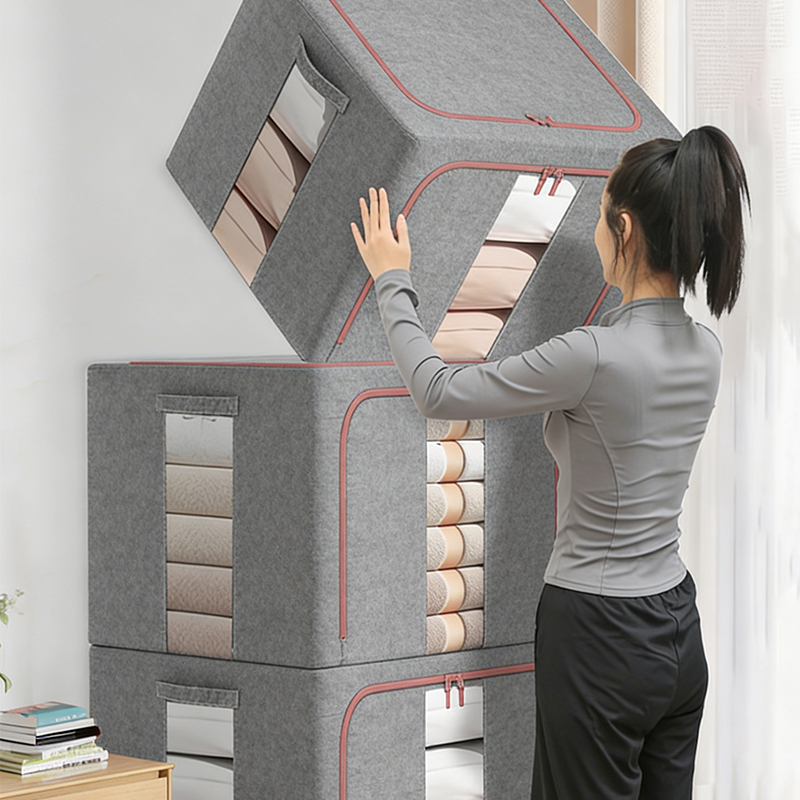
Size logic in this category follows storage application fairly directly. Small formats in the 10 to 15 cm range handle desk accessories, cosmetics, and small personal items. Medium formats from 20 to 35 cm cover folded clothing, children's toys, and general shelf organization. Large formats above 40 cm suit blankets, pillows, laundry, and seasonal storage. Coordinated sets in two or three sizes — matched in fabric and color — tend to perform well in retail gift and home organization channels because they solve several storage problems in a single purchase and arrive looking like a considered decision rather than a collection of individual pieces.
Color and pattern choices in cloth storage bags track interior trend cycles more closely than most storage product categories. Neutral solids in natural, grey, black, and white form the reliable core of any assortment — they coordinate with the widest range of interiors and move consistently regardless of season. Geometric prints, botanical motifs, and simple typographic designs extend the range for buyers who want storage with more visual personality. Seasonal colorways generate repurchase behavior among the segment of buyers who update visible storage alongside other decorating changes throughout the year.
 Quick View
 Quick View
 Quick View
 Quick View
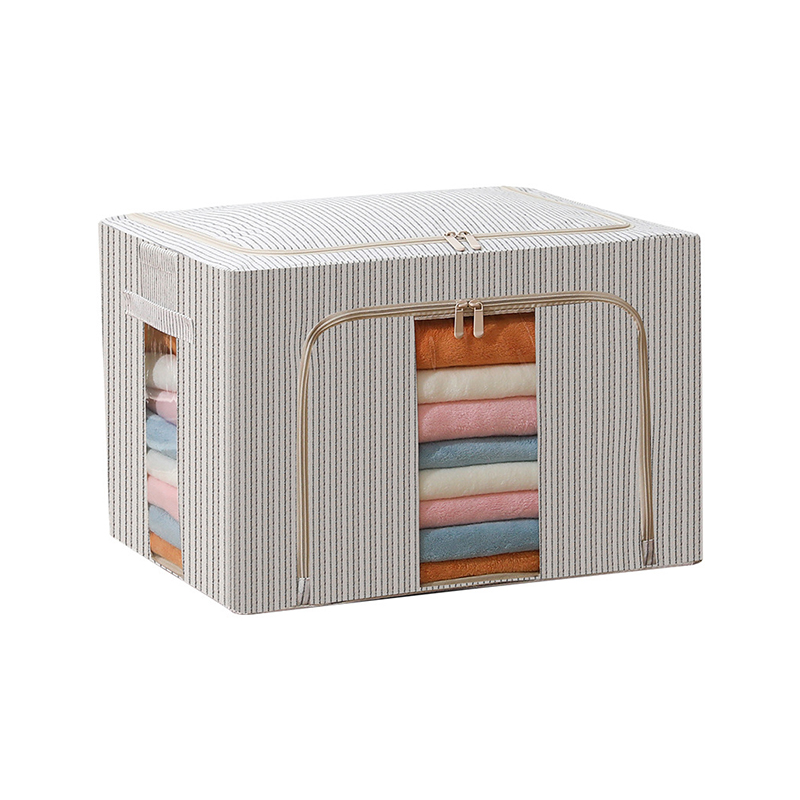
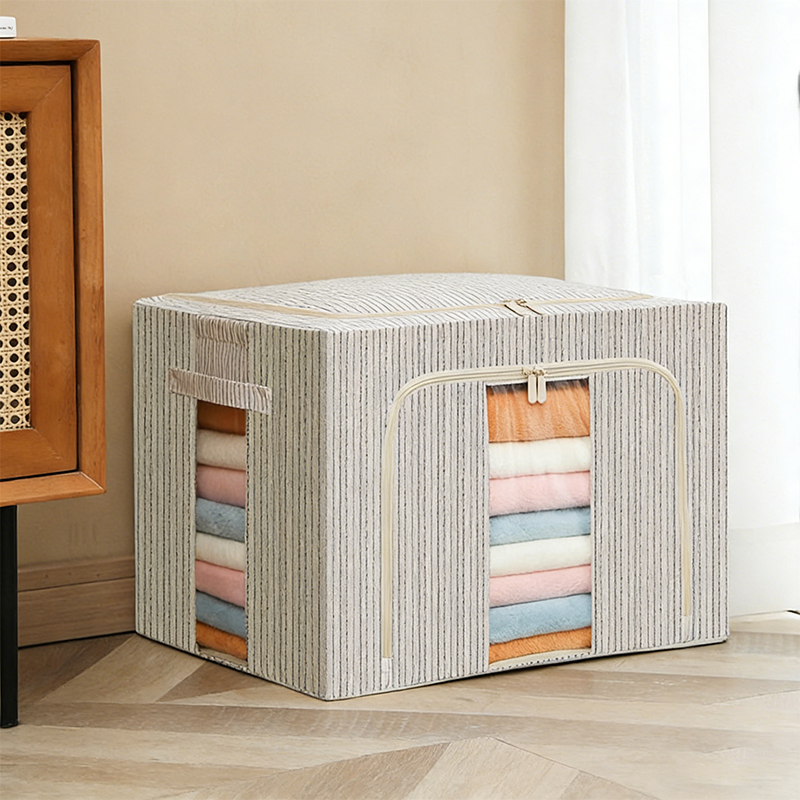 Quick View
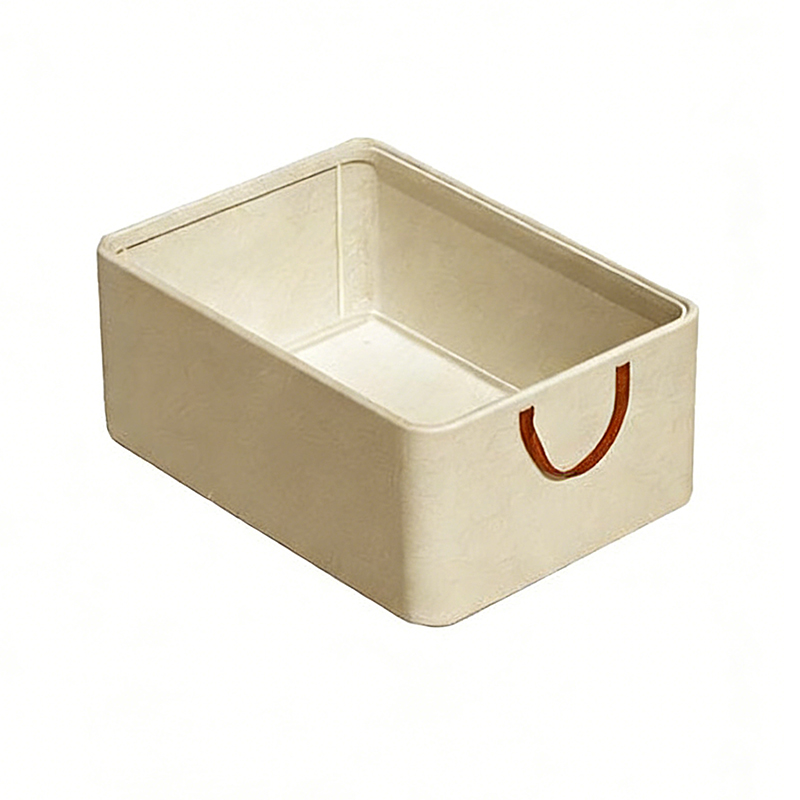
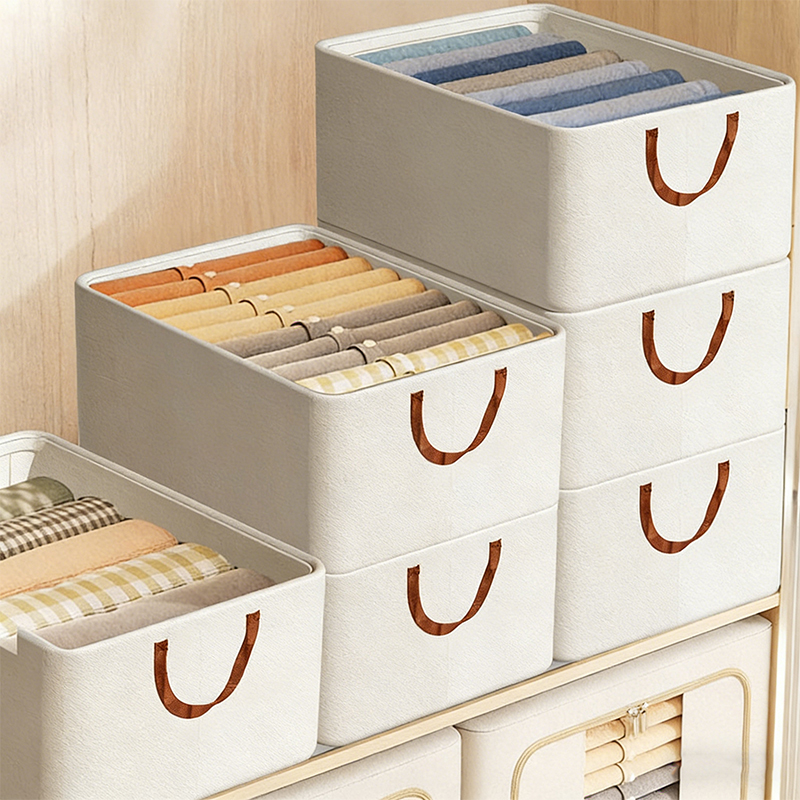 Quick View
 Quick View
 Quick View
Foldable Storage Bin Maker
Contact Us
 No. 15, Hetian Road, Shangxi Town, Yiwu City, Zhejiang Province
Mobile