

 English
 中文简体
中文简体 Español
 Deutsch



Foldable Storage Bin Maker


2026-06-12
Storage problems in most homes are not really about having too little space — they are about having space that does not adapt well to what is being stored in it at any given time. Collapsible storage boxes address that gap in a straightforward way. When full, they hold what needs holding. When empty, they fold down and disappear into a shelf or a drawer rather than occupying the same footprint as a loaded container. That flexibility is what has kept the format in regular circulation across home organization conversations and retail buying decisions.
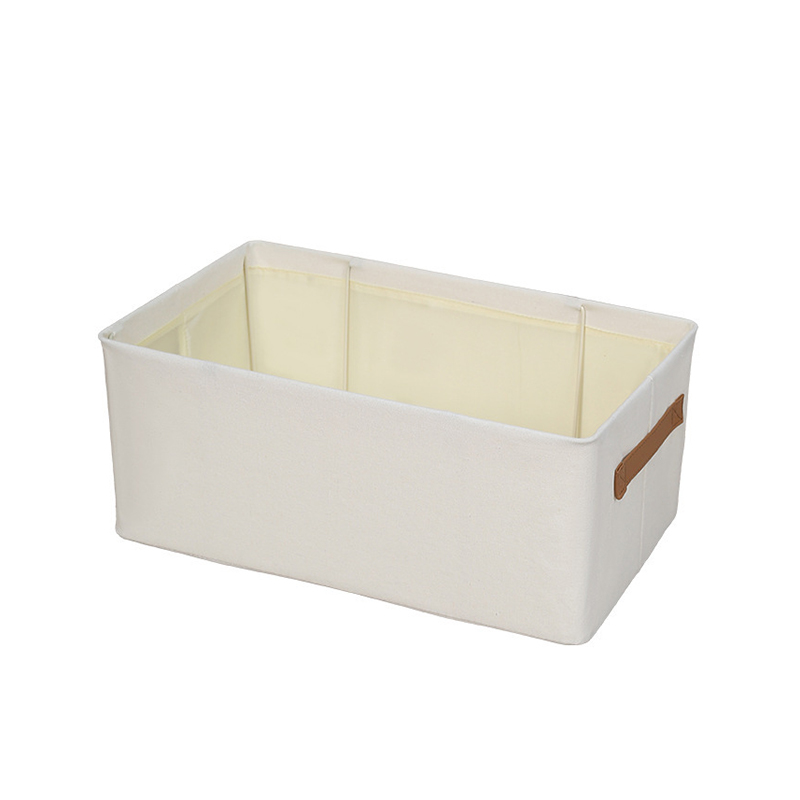
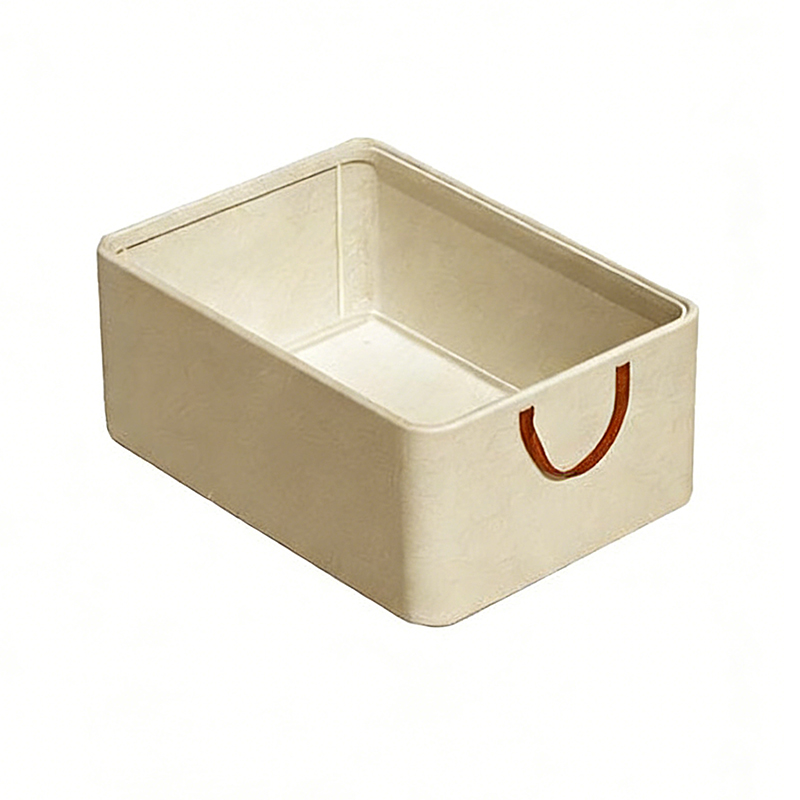
Collapsible storage boxes are containers designed to fold down when not in use. This feature enables compact storage between periods of activity. Typically constructed with sides that fold inward or collapse flat, these boxes return to a ready-to-use shape with simple assembly steps.
The base panels on better-built versions are reinforced enough to take a loaded box stacked on top without bowing, and lids that fit properly distribute that weight evenly rather than concentrating it at the corners. Weight stays low across the category regardless of size, so relocating a full box does not turn into a two-person task. Folding and unfolding the same box dozens of times over its life cycle does not typically affect how the structure sits when assembled — the panels return to position the same way they did the first time.
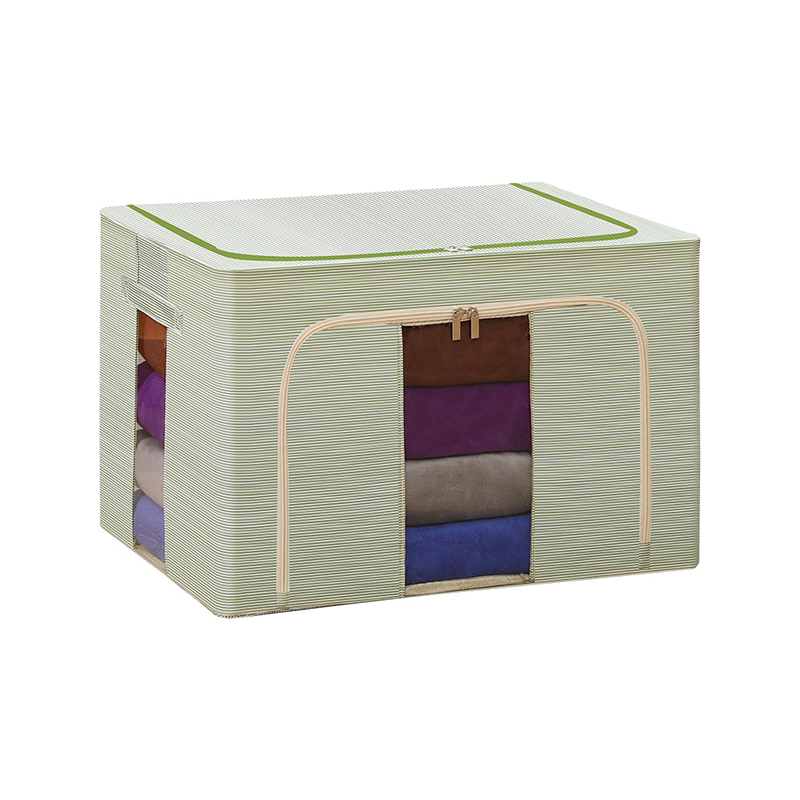
Manufacturers use various materials for collapsible storage boxes, including fabric blends, plastic composites, and cardboard reinforcements. Fabric options often incorporate polyester or similar synthetics for flexibility and strength. Plastic versions may feature polypropylene elements that contribute to overall rigidity when expanded.
Some boxes combine materials, such as fabric exteriors with internal frames for added structure. These combinations allow the boxes to maintain form during use while still collapsing for storage. The choice of materials influences weight and durability characteristics across different models.
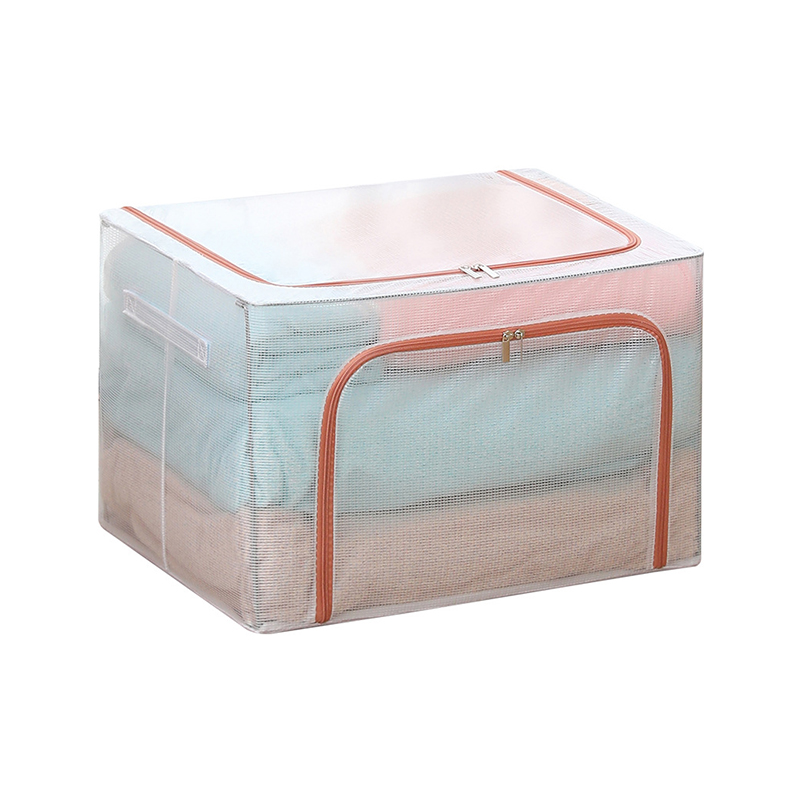
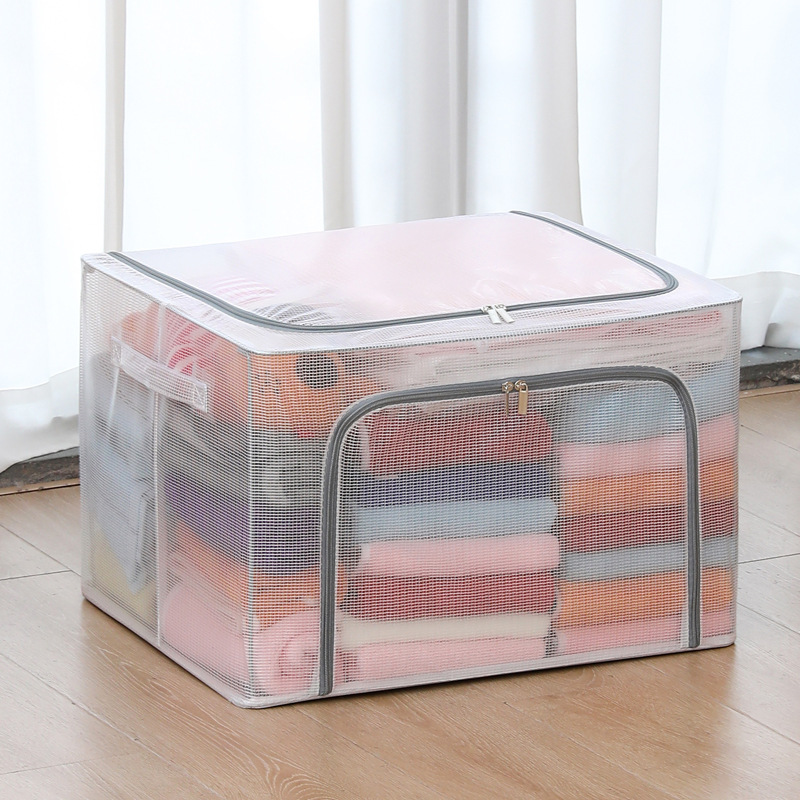
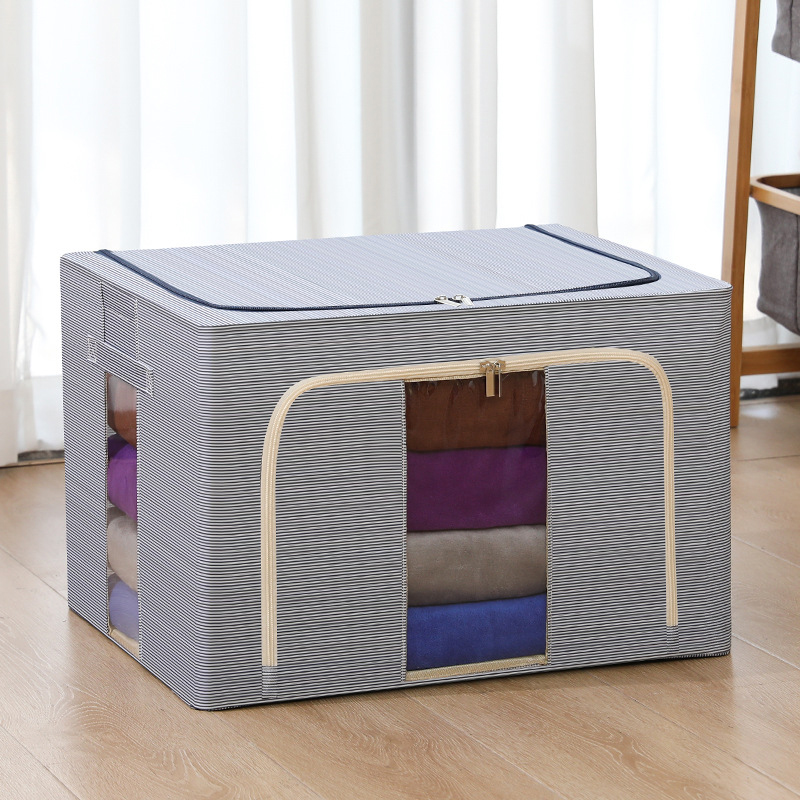
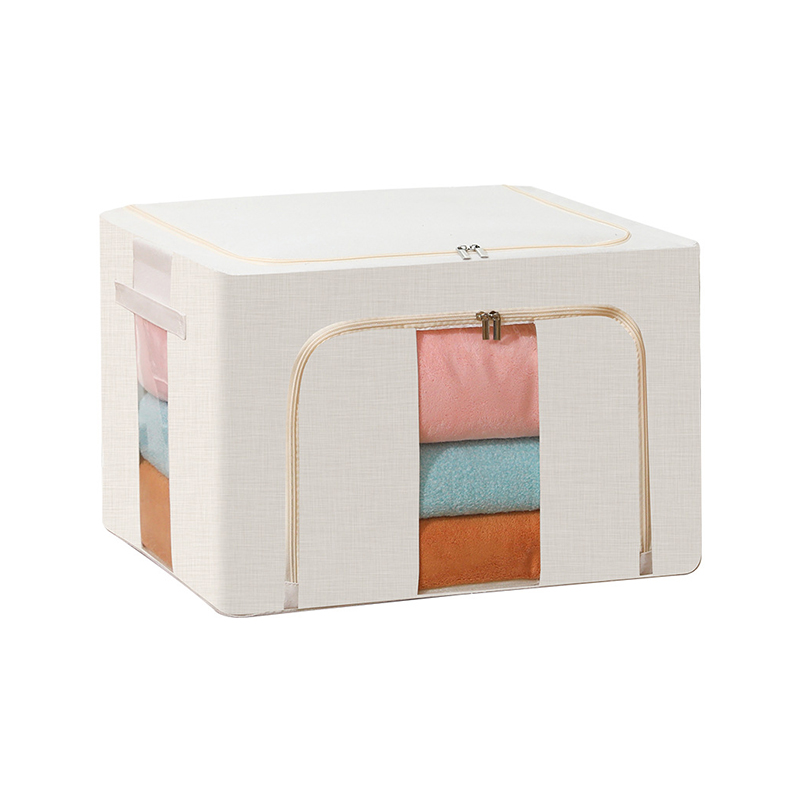
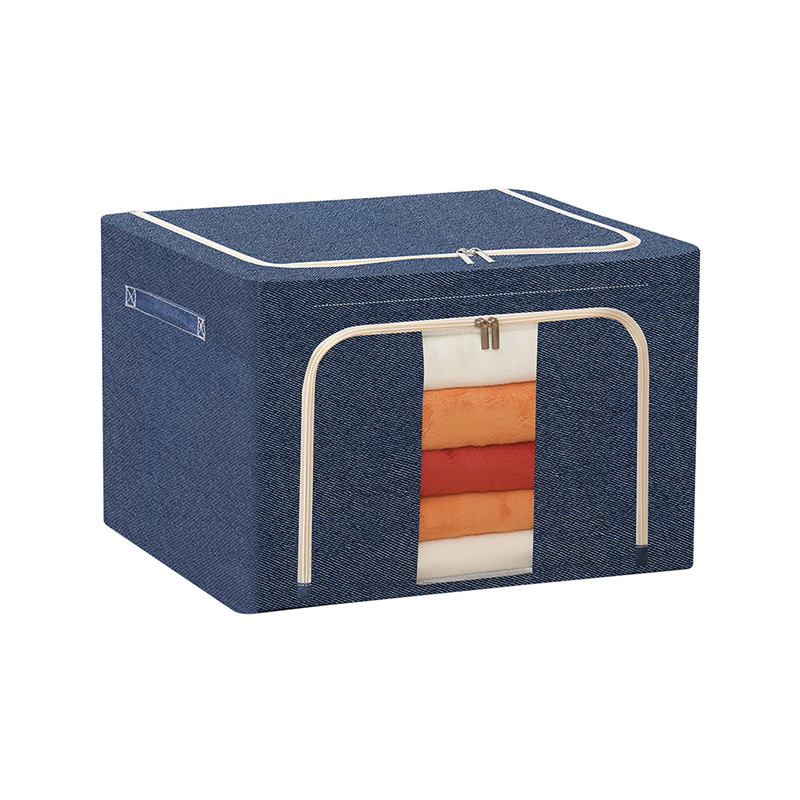
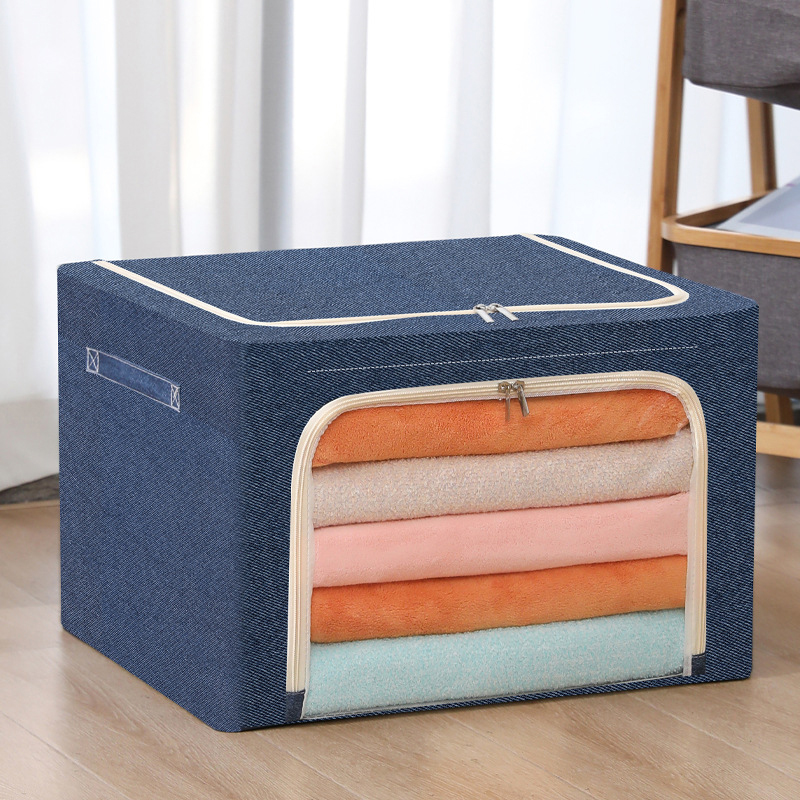
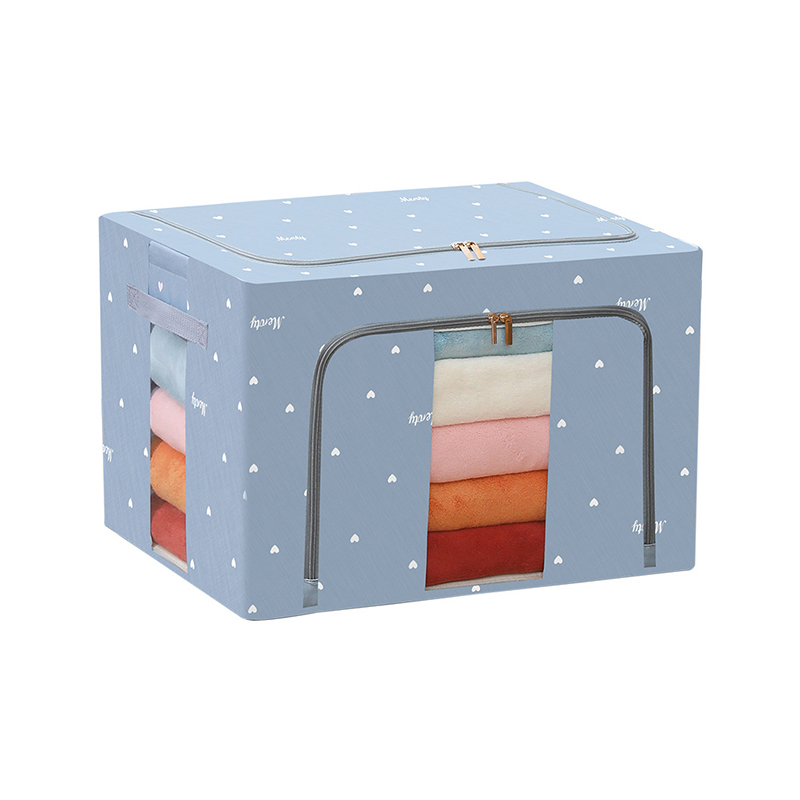
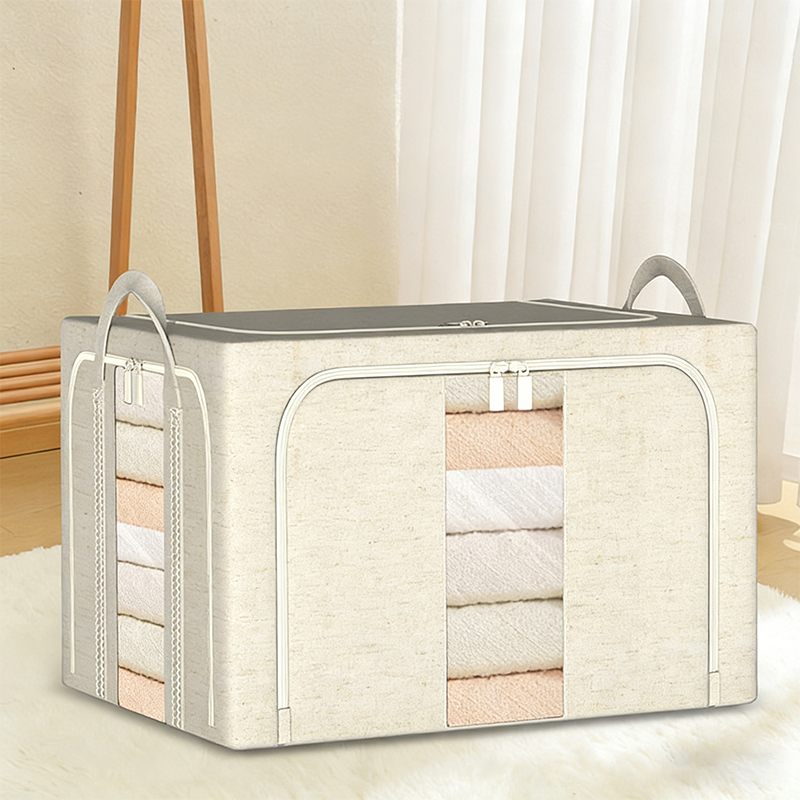
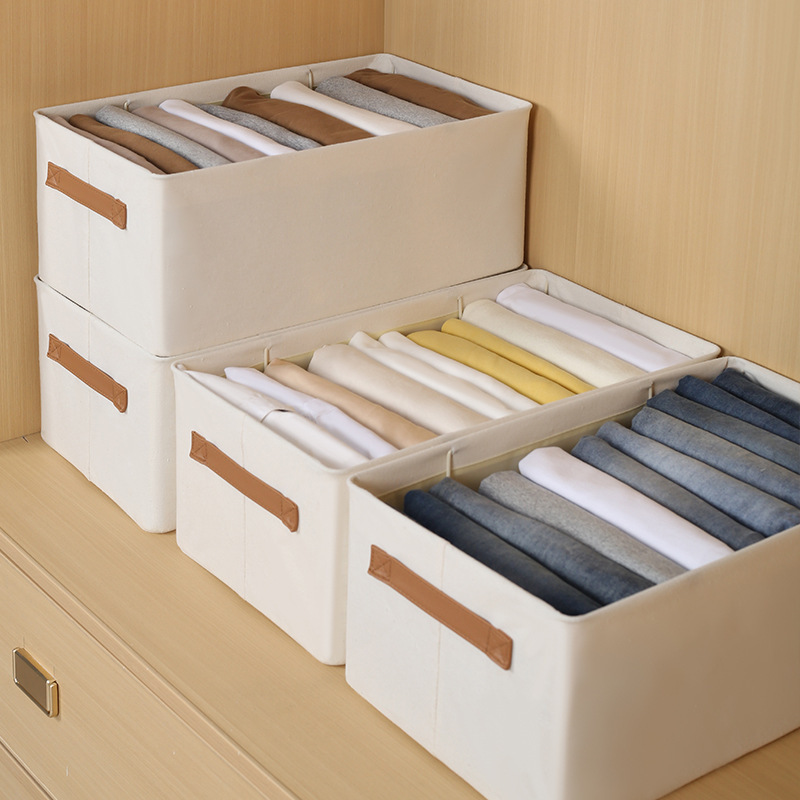
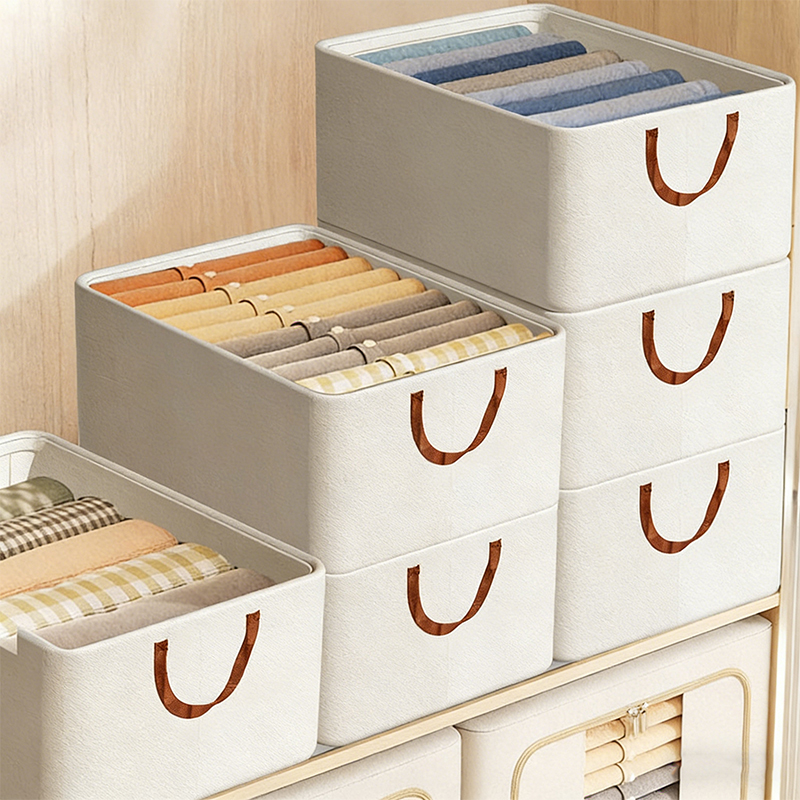
A key aspect of collapsible storage boxes is their portability. Handles on the sides or reinforced edges help with carrying when filled. Clear windows or label areas on some designs support quick identification of contents without opening each box.
Ventilation holes appear in certain models to allow air circulation. Lid designs vary, with some featuring snap closures and others using simple lift-off tops. These elements contribute to straightforward handling in daily routines.
Setting up collapsible storage boxes generally involves unfolding the sides and securing the base. Many models use simple mechanisms like Velcro tabs or plastic clips to lock the structure in place. Folding follows the reverse sequence, returning the box to a flat profile.
Instructions included with these products typically outline the steps clearly. The process requires minimal tools, making it accessible for a wide range of users. Repeated use helps individuals become familiar with the specific folding patterns of their chosen boxes.
Collapsible storage boxes contribute to adaptable space management in various settings. Their ability to expand and contract supports adjustments as storage requirements shift throughout the year. This flexibility aligns with changing household dynamics and activity levels.
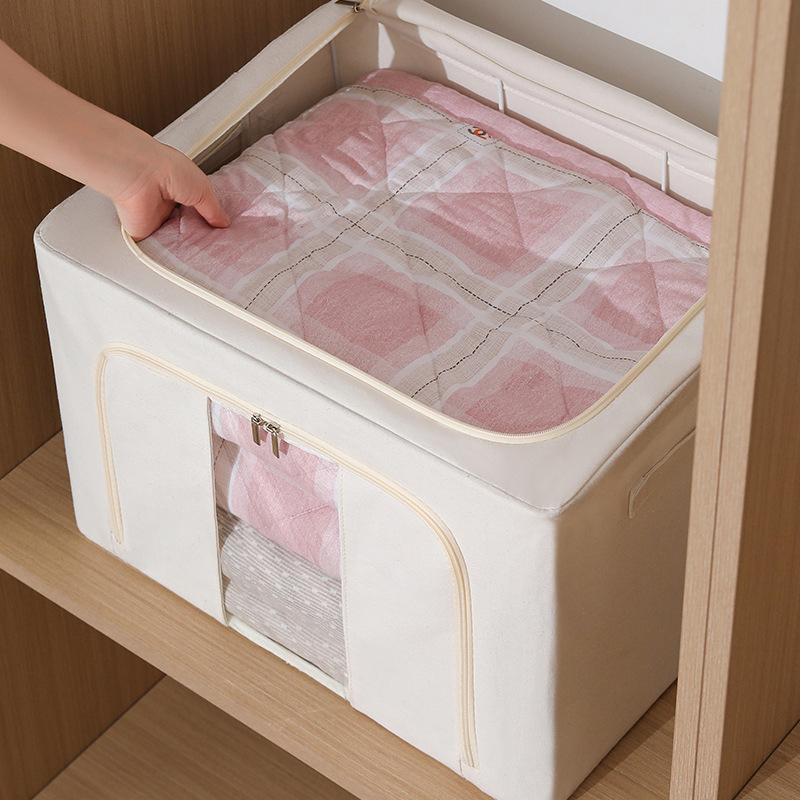
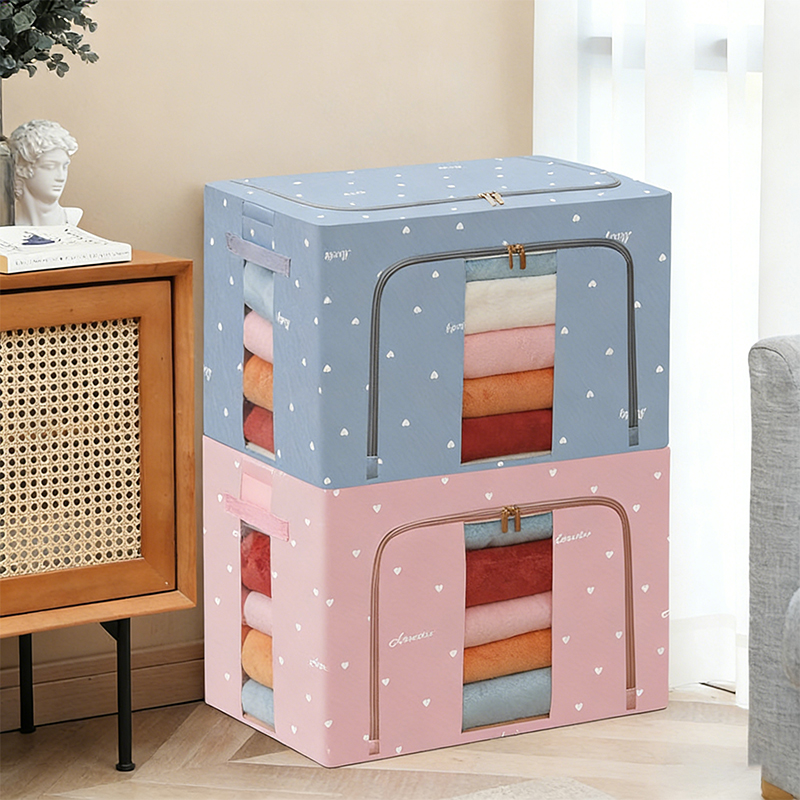
Placement in closets, under beds, or on shelves allows these boxes to integrate into existing areas. The collapsible design minimizes the footprint when the boxes are not actively holding items, freeing up room for other purposes.
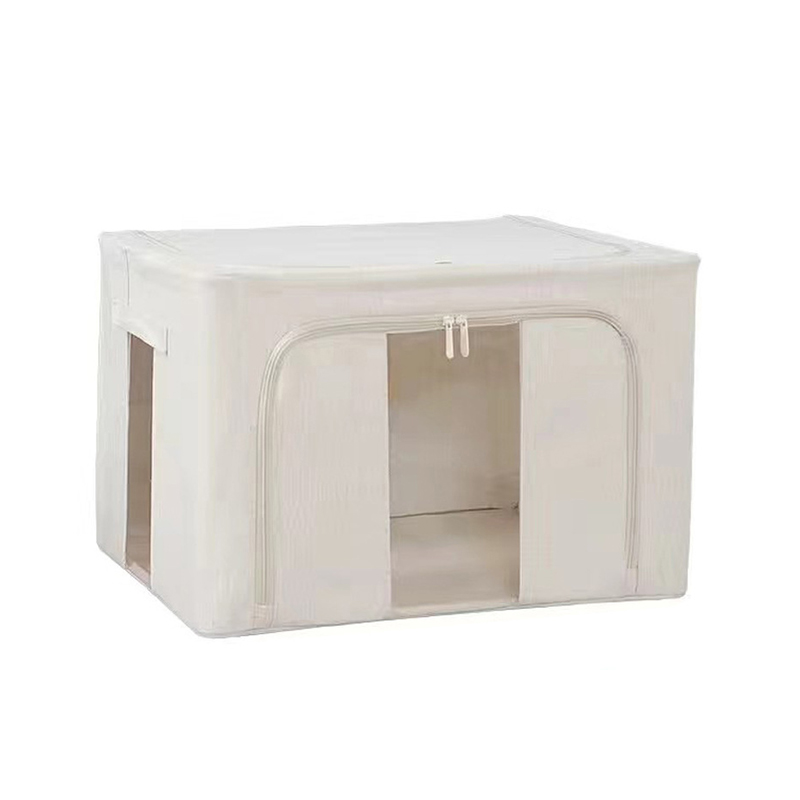
When reviewing collapsible storage boxes, attention to capacity ratings and material thickness can guide decisions. Some prefer transparent options for visibility, while others select solid colors to maintain a uniform appearance. Weight limits, where indicated, help match boxes to intended loads.
Compatibility with shelving units or closet systems receives consideration in many selections. Availability in multiple colors and patterns supports coordination with different interior styles. Broader size ranges accommodate diverse spatial constraints.
 Quick View
 Quick View
 Quick View
 Quick View
 Quick View
 Quick View
 Quick View
 Quick View

Foldable Storage Bin Maker
Contact Us
 No. 15, Hetian Road, Shangxi Town, Yiwu City, Zhejiang Province
Mobile