

 English
 中文简体
中文简体 Español
 Deutsch



Foldable Storage Bin Maker


2026-07-31
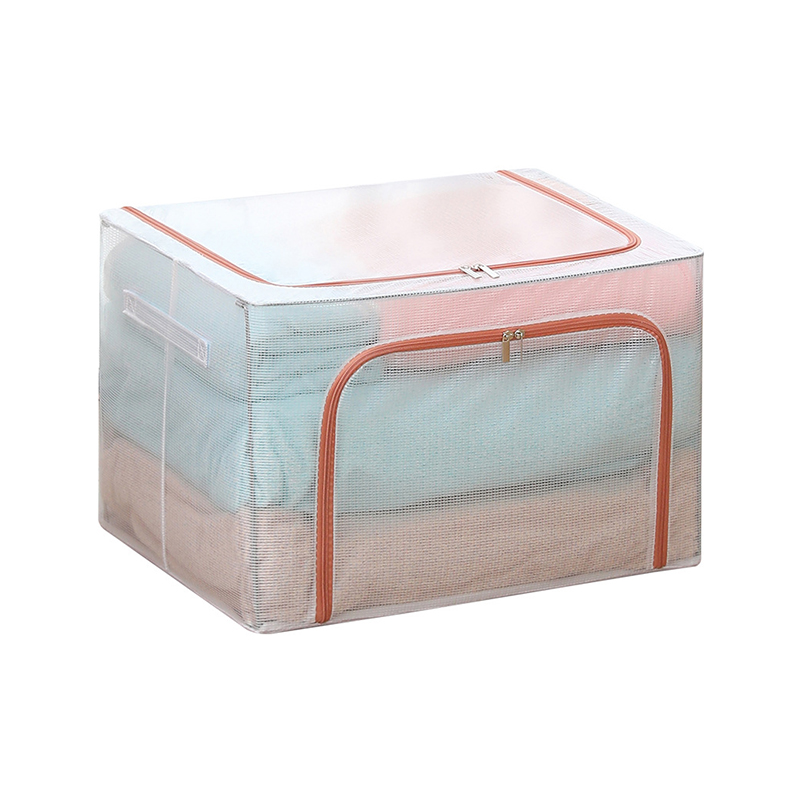
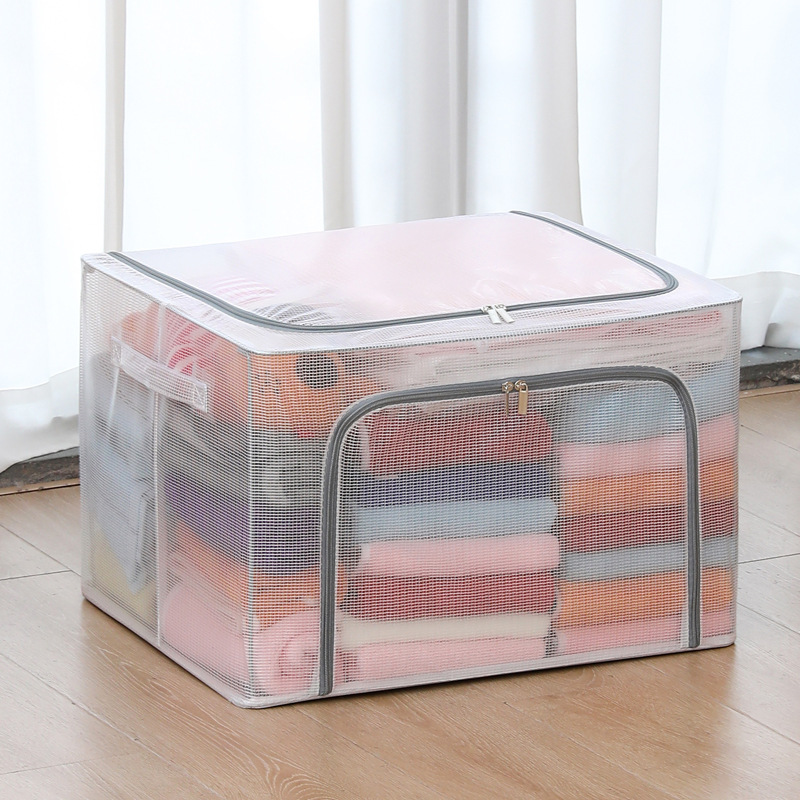
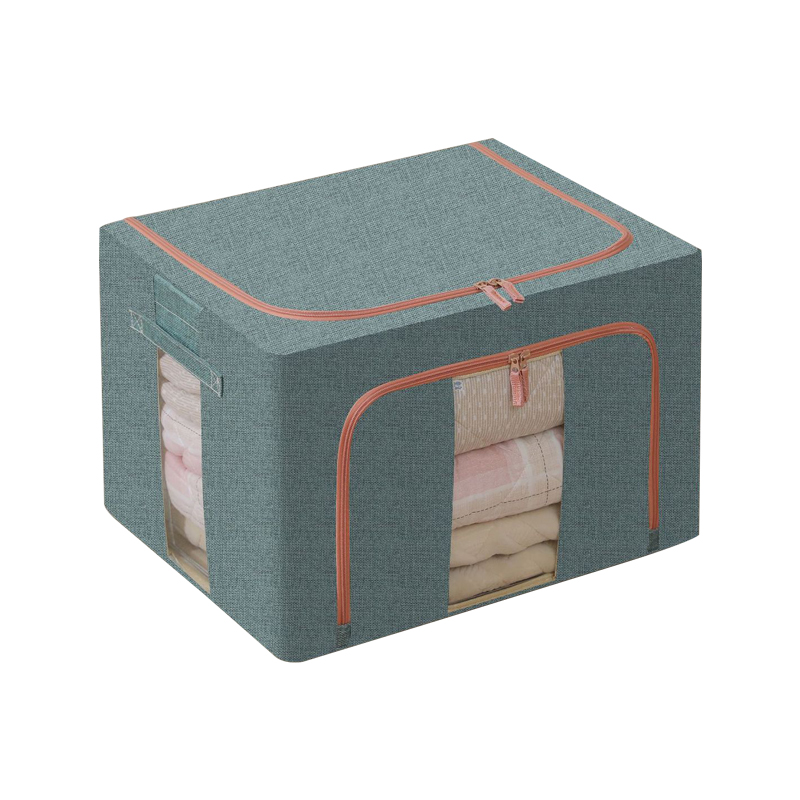
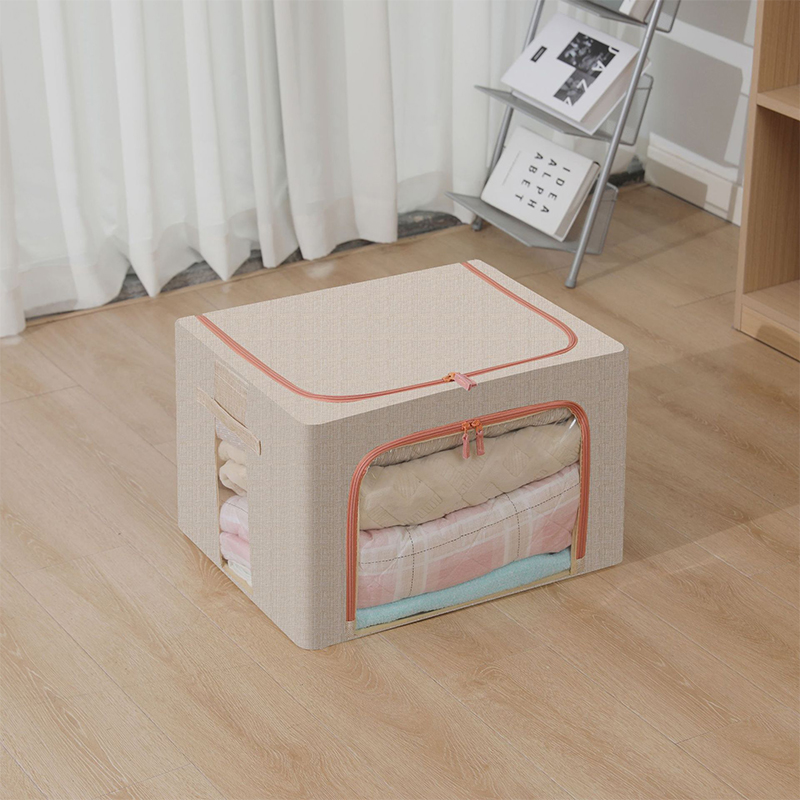
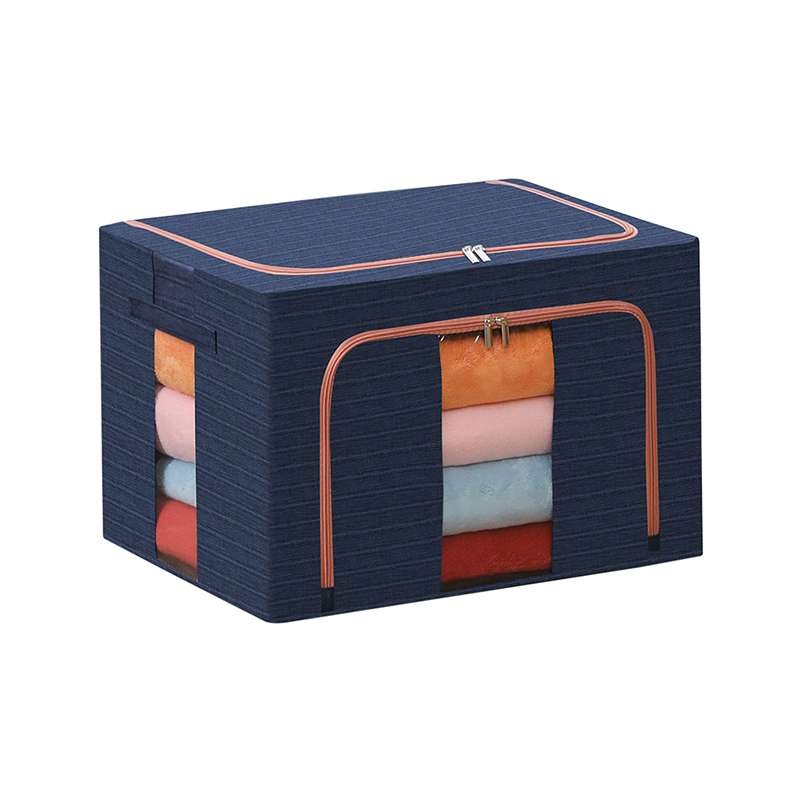
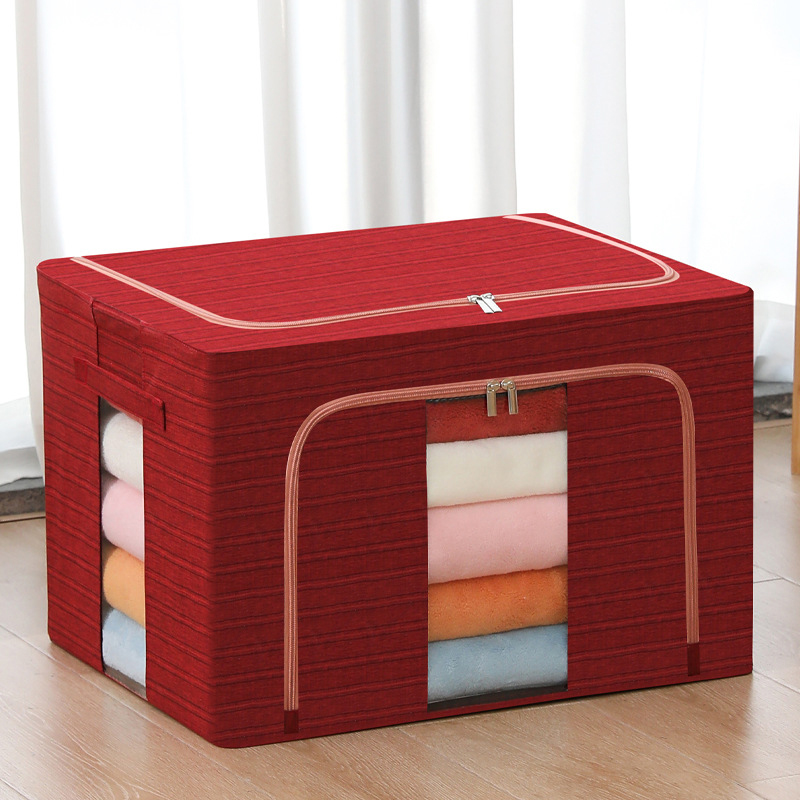
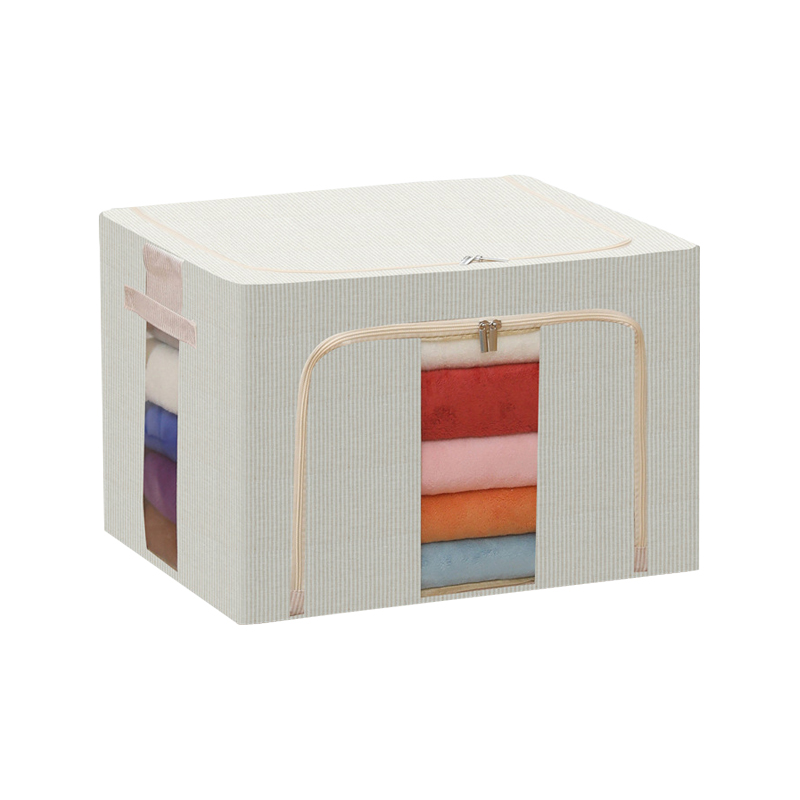
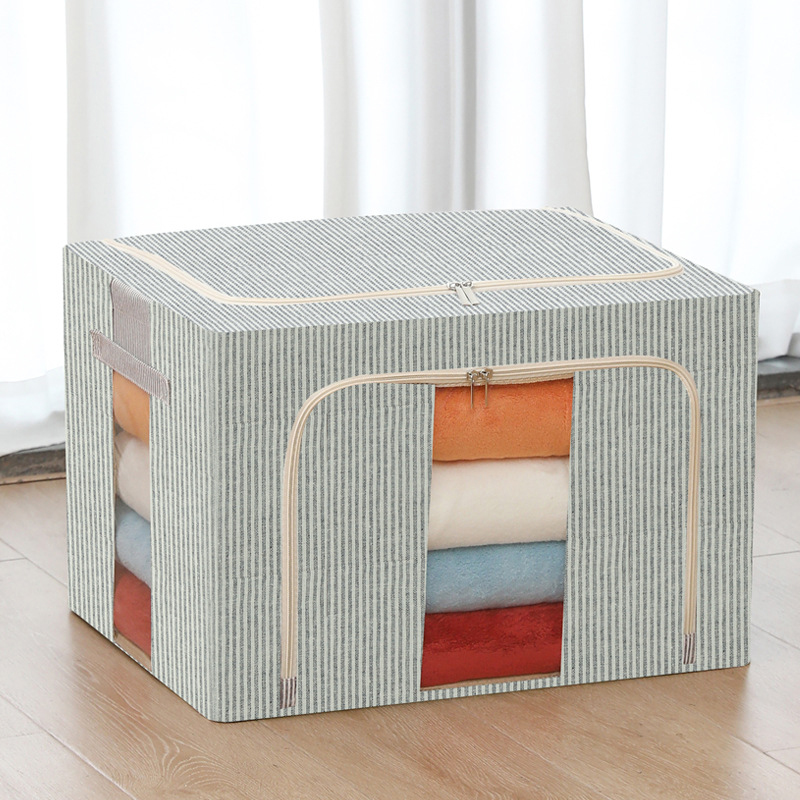
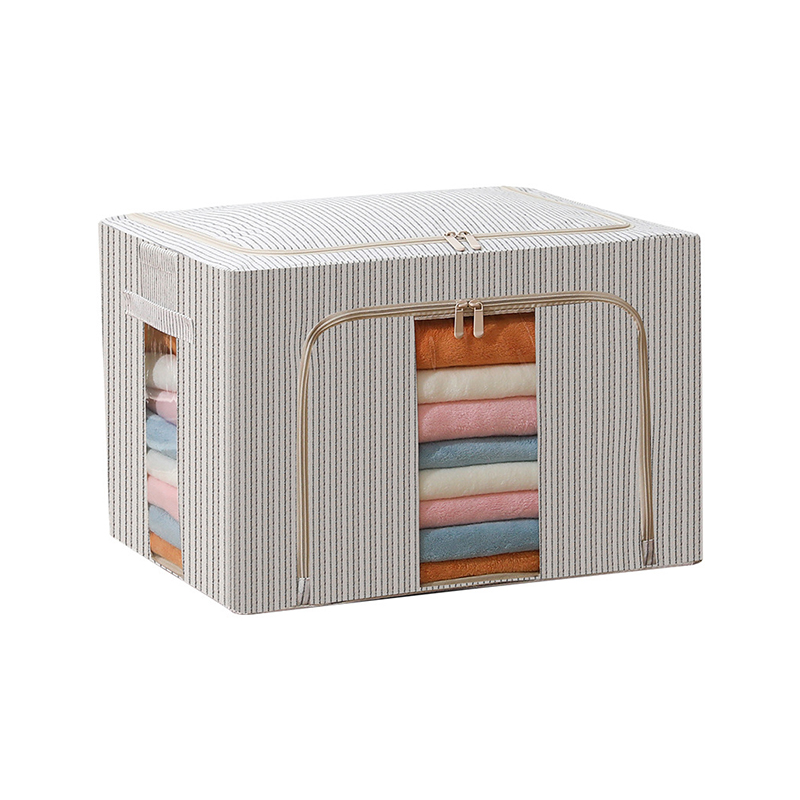
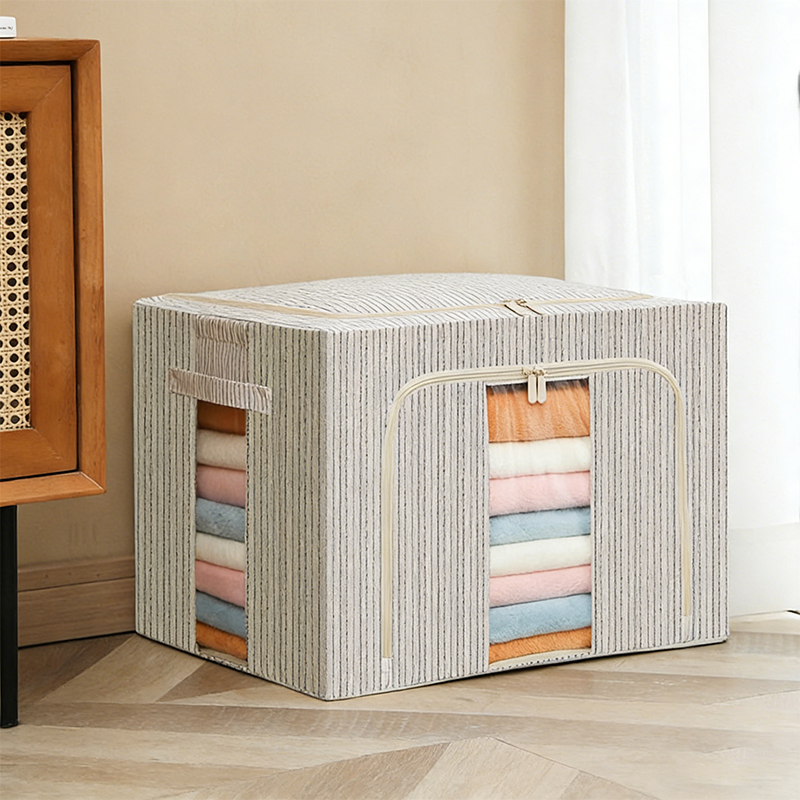
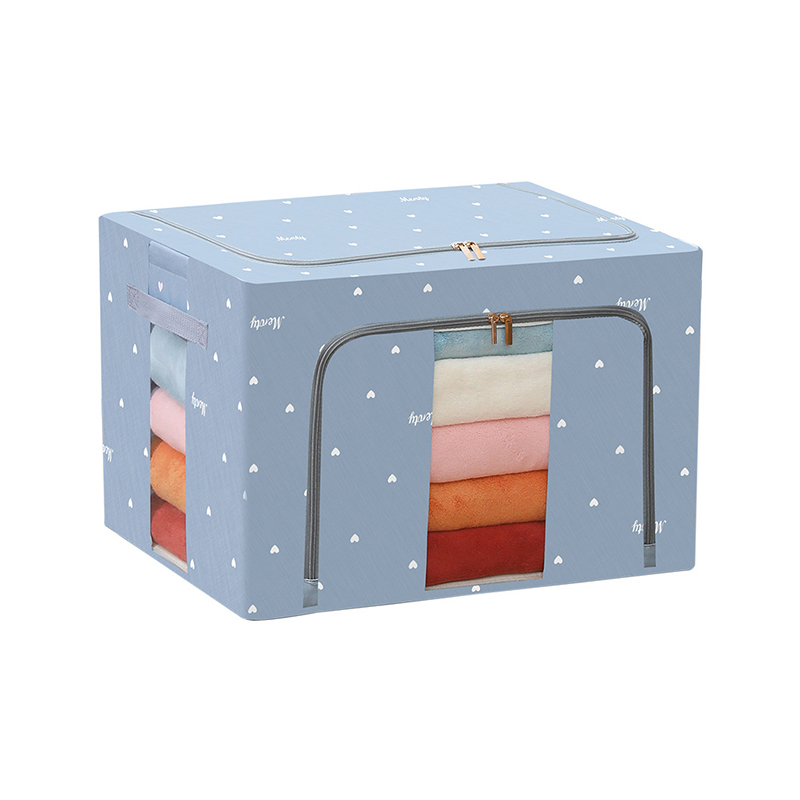
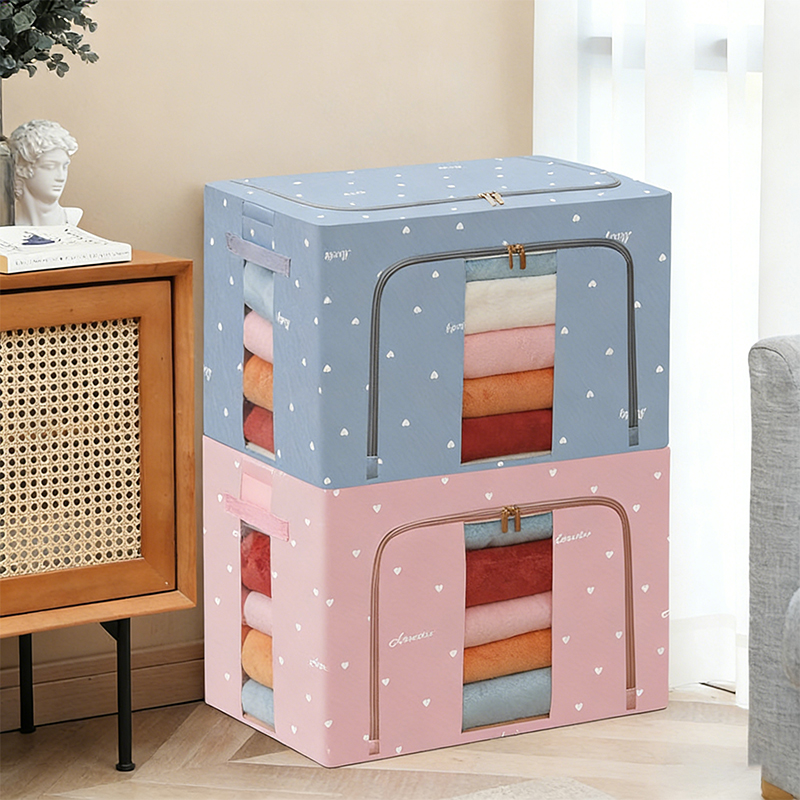
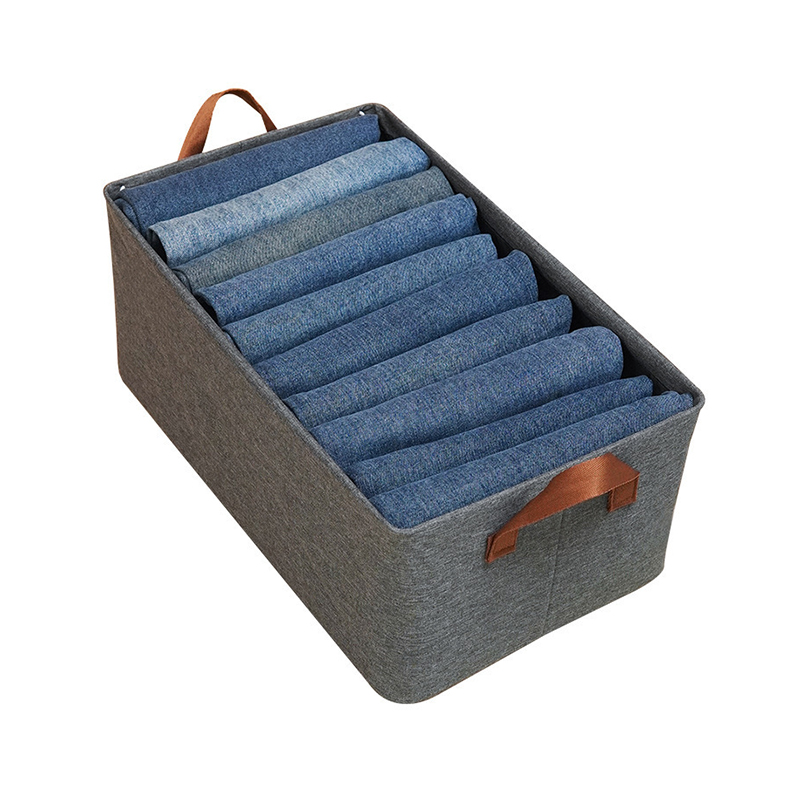
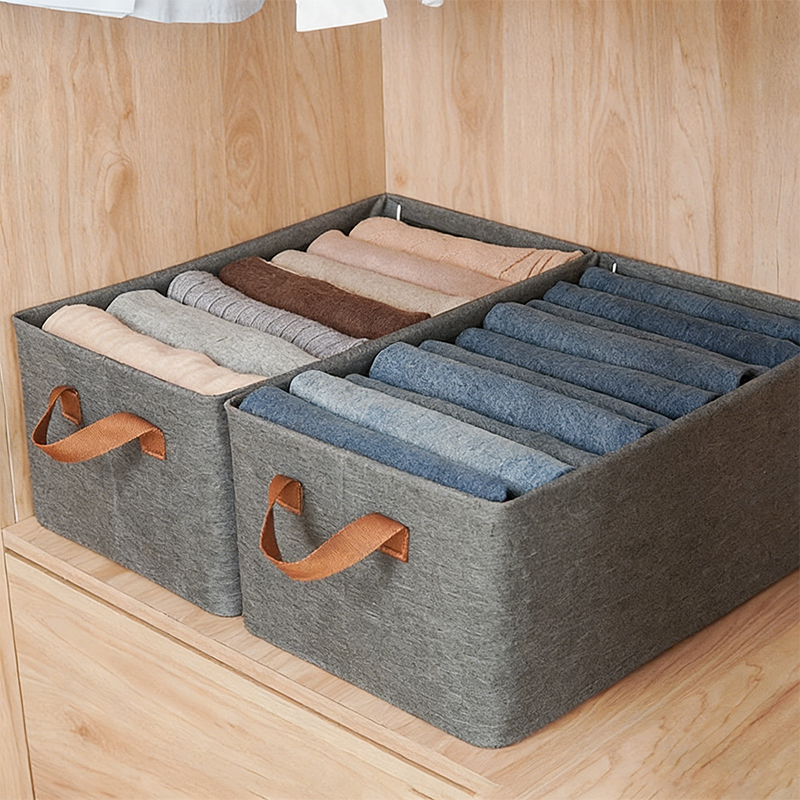
Home organization continues to be an active category for retailers, wholesalers, and private-label brands. As buyers expand their product collections, the Fabric Storage Bin has become a practical option because it combines lightweight construction, flexible designs, and efficient transportation. Instead of relying on one standard style, manufacturers now develop storage bins in different shapes, sizes, and fabric combinations to serve a wide range of commercial markets.
The design of a Fabric Storage Bin starts with selecting suitable materials. Different fabrics provide different textures, appearances, and structural characteristics, allowing manufacturers to create products for various market segments.
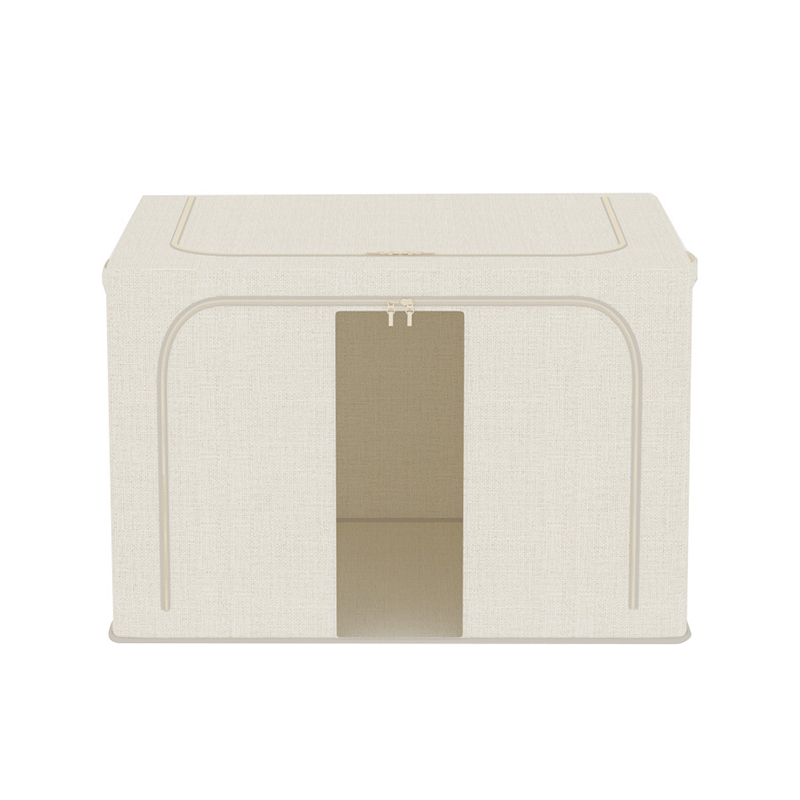
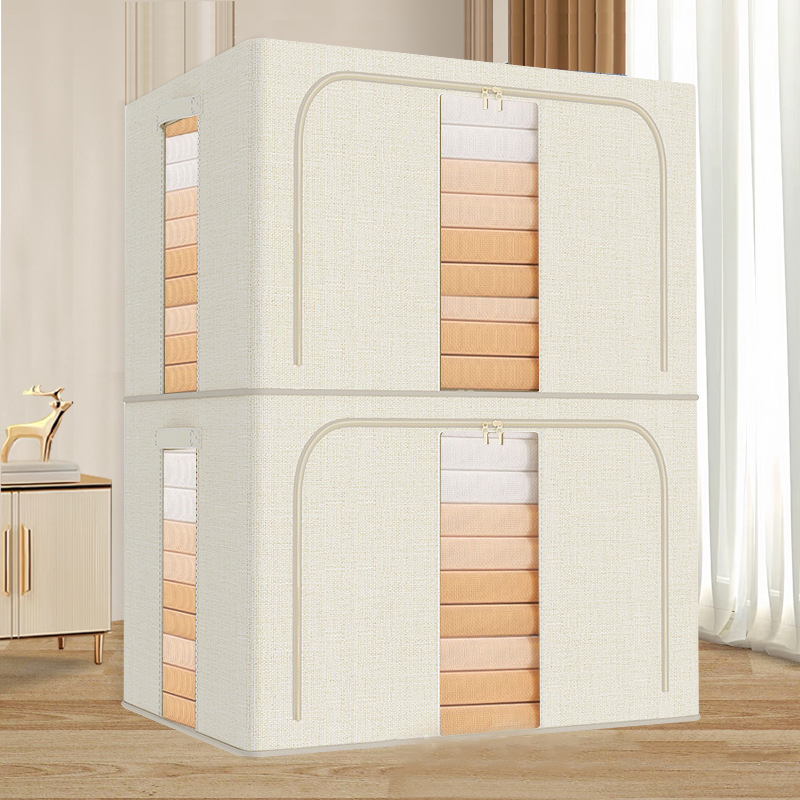
Polyester fabric, cotton blends, linen-look fabric, non-woven materials, and Oxford fabric are commonly used in storage products. Many manufacturers combine these outer fabrics with cardboard panels or polypropylene inserts so the storage bin maintains its shape after assembly while remaining foldable for shipping.
Fabric color, stitching style, and handle construction are also considered during product development. Reinforced handles and neatly finished seams help improve the overall appearance while supporting repeated handling during storage and transportation.
Material selection is usually based on the intended retail positioning, packaging requirements, and customer design preferences rather than relying on a single fabric option for every project.
The manufacturing process of a Fabric Storage Bin involves several coordinated production stages. After raw materials arrive at the factory, fabric rolls are inspected before moving to automated cutting equipment.
Each fabric panel is cut according to production patterns, allowing consistent dimensions throughout the manufacturing process. Sewing operators assemble the outer structure before adding handles, reinforcement pieces, and internal support panels.
After structural components are installed, the product moves through shape adjustment, appearance inspection, and packing. Careful production planning helps manufacturers maintain stable output while handling different product sizes within the same production schedule.
Factories producing storage products often organize dedicated sewing lines for different styles, making it easier to manage customized orders without interrupting regular production. This manufacturing flexibility is particularly valuable for buyers introducing seasonal collections or private-label product series.
The Fabric Storage Bin is widely used across different commercial sectors because it can be adapted to various storage environments and retail collections.
Typical applications include:
Many brands develop matching product series that include fabric baskets, collapsible organizers, wardrobe boxes, and laundry hampers using similar fabrics and color themes. This approach creates a coordinated product range while simplifying manufacturing and sourcing.
The flexible structure of fabric storage products also allows suppliers to develop customized sizes for shelving systems, closets, display units, and retail packaging requirements.
Private-label development has become an important part of the storage product industry. A professional Fabric Storage Bin manufacturer usually supports OEM and ODM projects that allow customers to develop products matching their own brand identity.
Customization may include changes to dimensions, fabric materials, printed patterns, embroidery, woven labels, handles, packaging, and color combinations. Sample production gives buyers an opportunity to review product details before confirming bulk manufacturing.
Many suppliers also provide design assistance during early development. Working closely with customers before production begins helps reduce design revisions and improves communication throughout the manufacturing process.
 Quick View
 Quick View
 Quick View
 Quick View
 Quick View
 Quick View
 Quick View
 Quick View
Foldable Storage Bin Maker
Contact Us
 No. 15, Hetian Road, Shangxi Town, Yiwu City, Zhejiang Province
Mobile