

 English
 中文简体
中文简体 Español
 Deutsch



Foldable Storage Bin Maker


2026-07-24
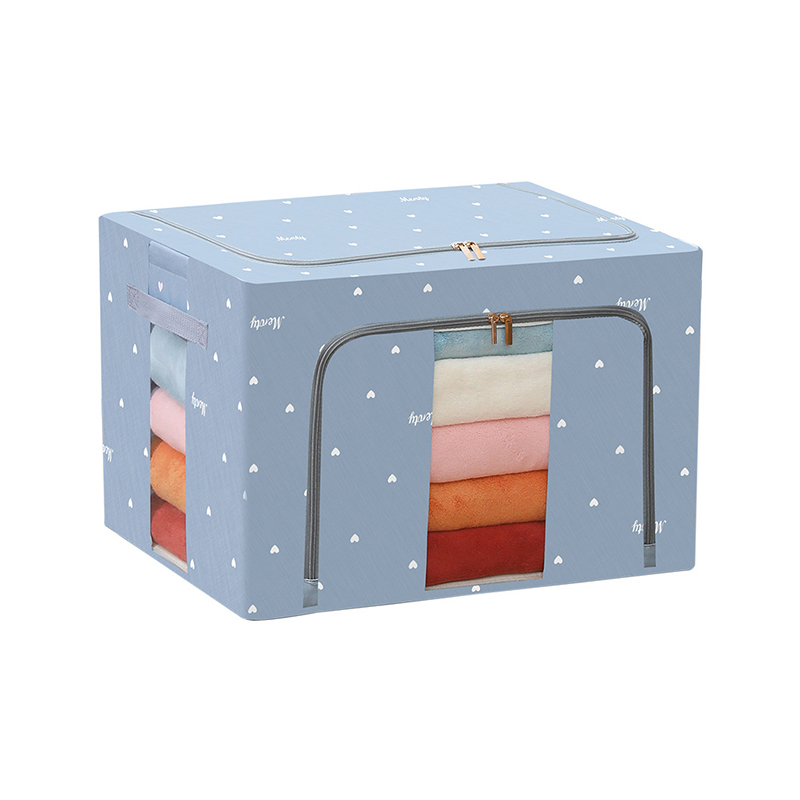
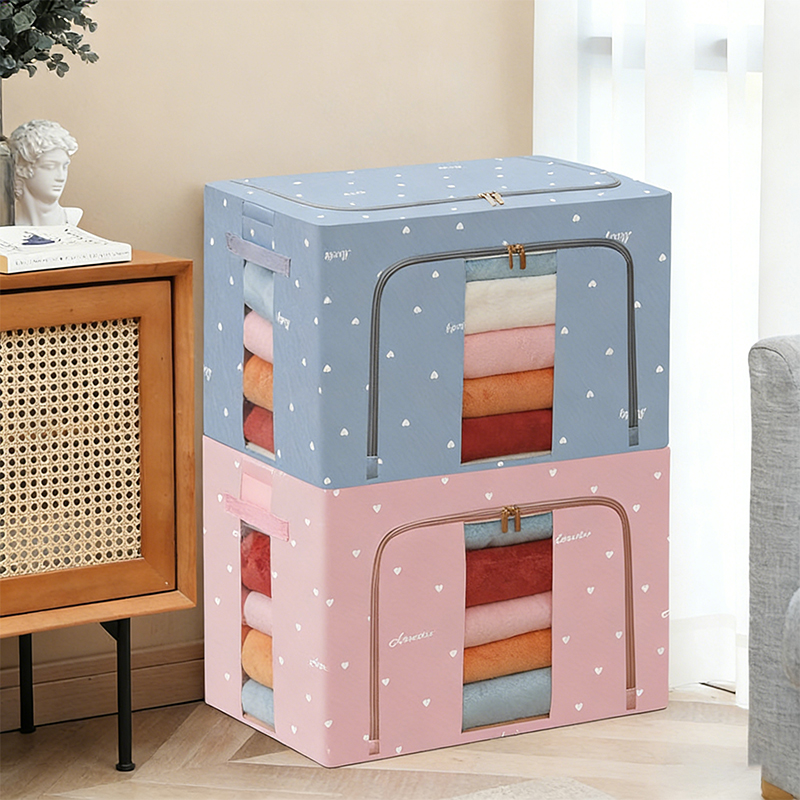
Someone moving into a smaller apartment eventually hits the same wall — too many bins, not enough closet space to store them when they're not in use. That's usually the moment a collapsible storage bin starts sounding less like a gimmick and more like an actual solution. The idea is simple enough on paper: a bin that holds its shape when full and folds flat when it's not. Getting that to actually work in practice, though, involves more engineering than the finished product lets on.
Most collapsible bins rely on one of a few folding approaches. Some use a scored or hinged panel design, where the sides are engineered with thinner sections along fold lines that bend without cracking. Others use a telescoping or accordion-style structure, similar in concept to a folding lantern, where the walls compress downward in layers. A third approach uses removable or foldable side panels that clip into a rigid base, giving up some of the one-piece simplicity in exchange for a sturdier stand-up shape when in use.
Each approach comes with its own trade-offs. Scored-panel designs tend to be lighter and cheaper to produce, but the fold lines are also the first place wear shows up over time. Telescoping designs hold their shape a bit better under load but usually weigh more and cost more to manufacture due to the additional moving parts. Buyers sourcing this category need to think about which trade-off matters more for their specific market — a budget-focused retail line might lean toward the simpler scored-panel design, while a premium organizational brand might prioritize the sturdier telescoping structure.
Plastic remains the dominant material for collapsible bins, but not all plastics behave the same way under repeated folding stress. Polypropylene is common because it has a natural flexibility that resists cracking at fold lines better than more rigid plastics like standard polystyrene. Some manufacturers reinforce fold points with a slightly different material blend or added thickness specifically at the hinge, since that's the area that takes the most repeated mechanical stress over the life of the product.
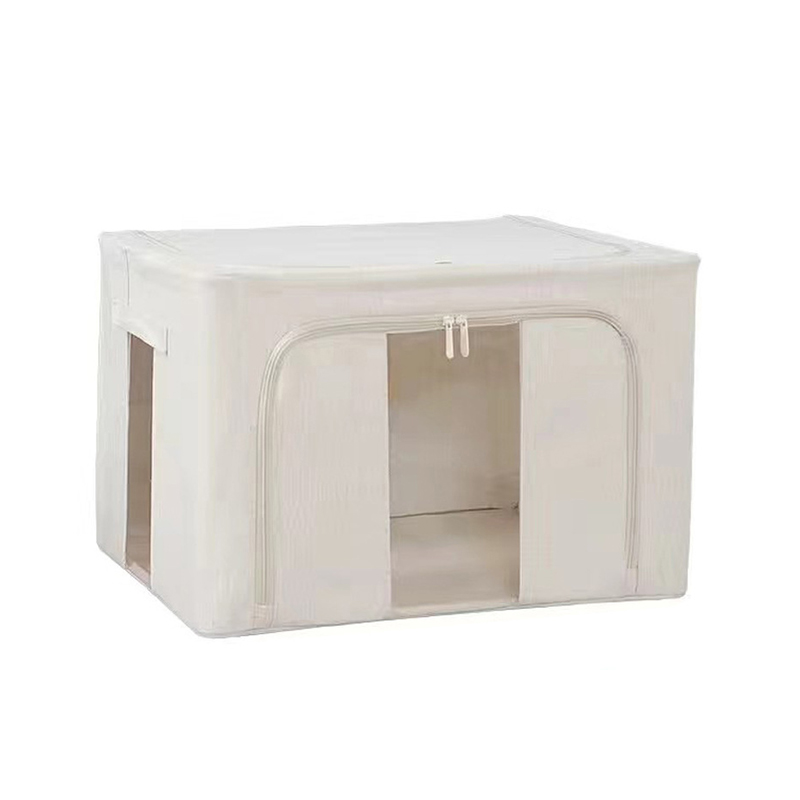
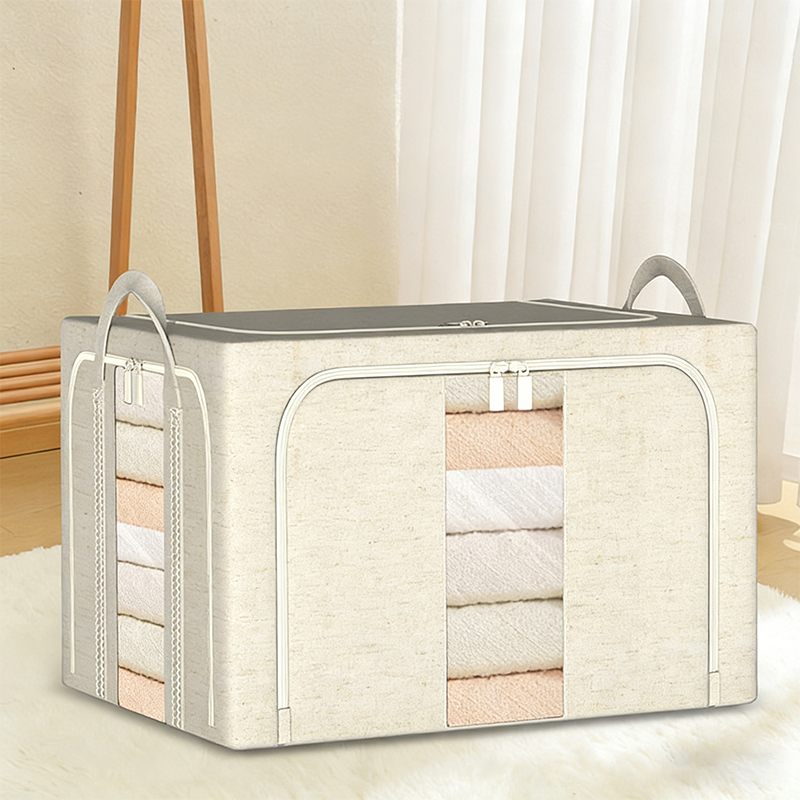
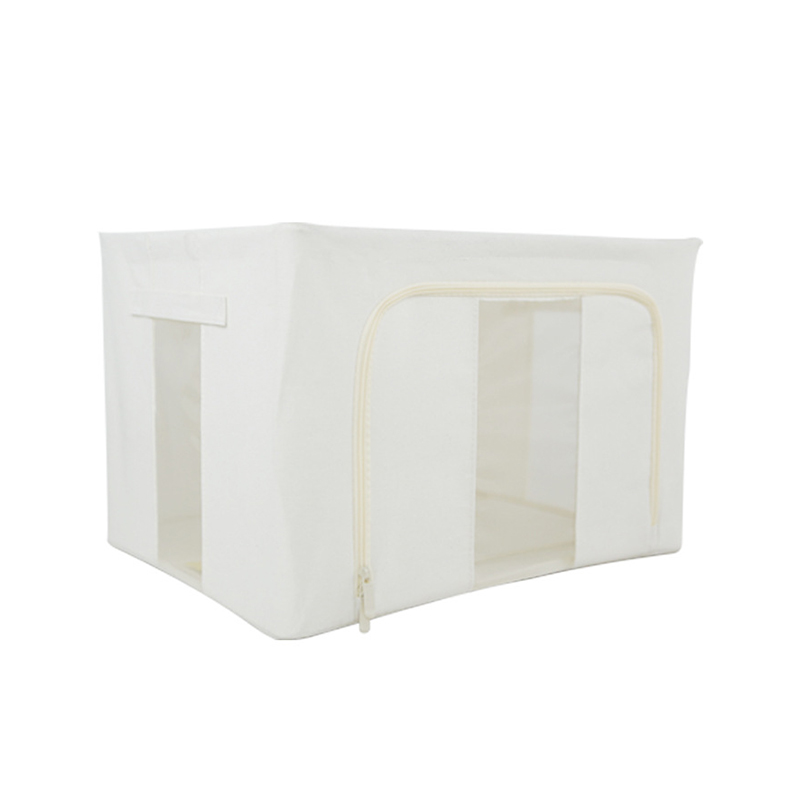
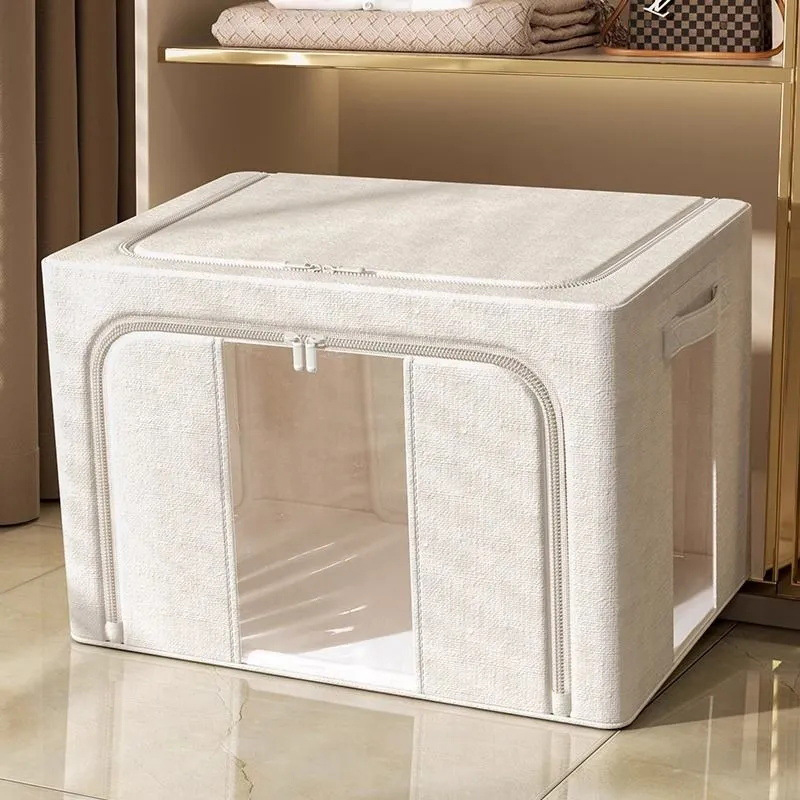
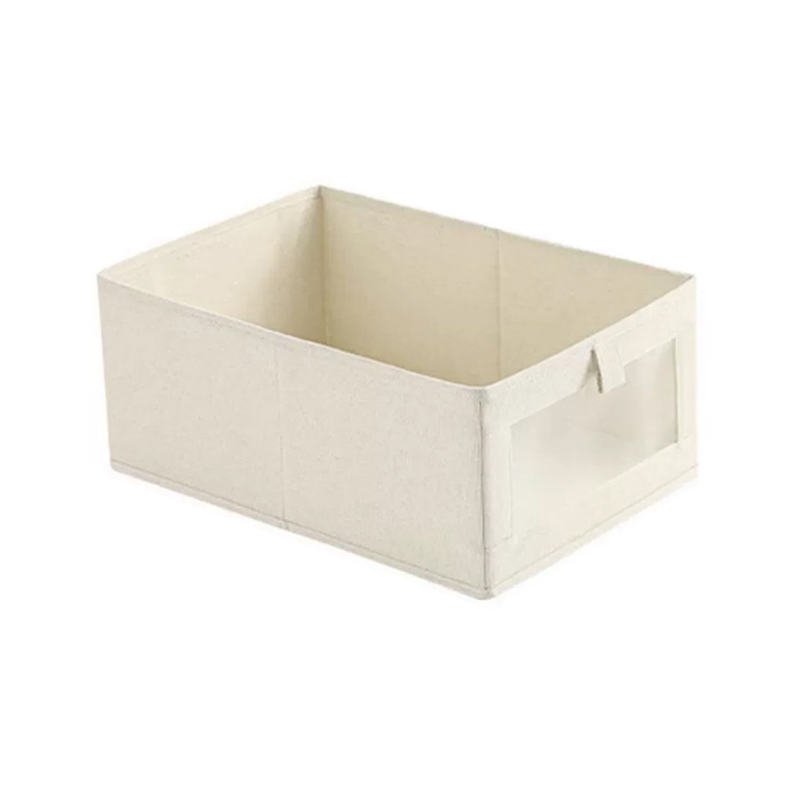
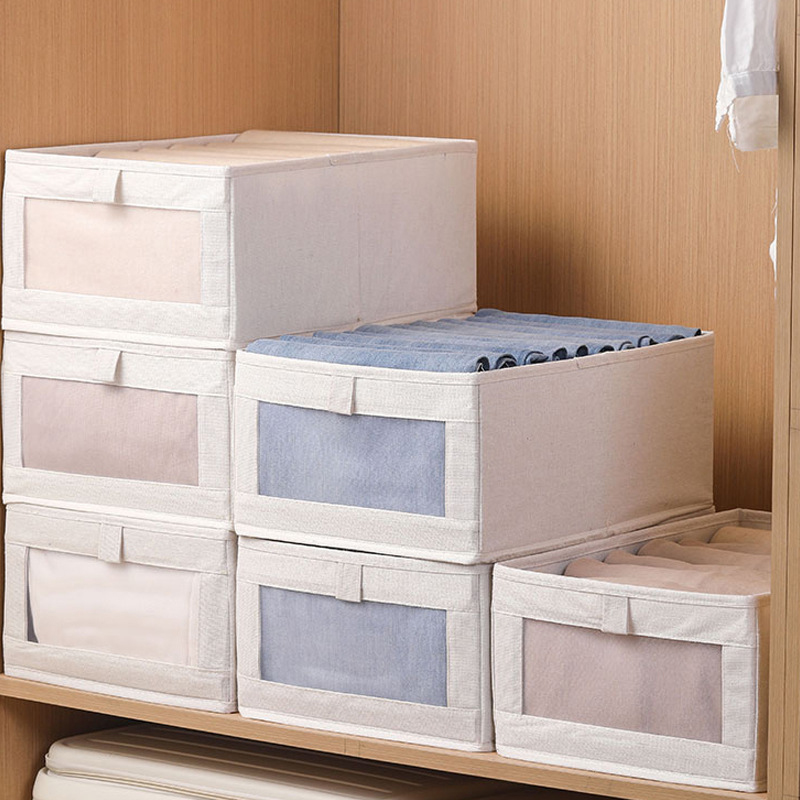
Fabric-based collapsible bins take a different approach entirely, using a rigid base — often plastic or reinforced cardboard — paired with soft fabric sides that fold down naturally without needing engineered hinge points. These tend to be lighter and easier to store flat, though they generally can't support as much weight as a fully rigid plastic design, which matters for buyers targeting heavier storage use cases like tools or books rather than lightweight items like clothing or toys.
A handful of recurring issues show up across collapsible storage bin sourcing, regardless of which folding mechanism a factory uses. Fold-line cracking after repeated use is the most common complaint, especially in cheaper plastic blends that weren't formulated with enough flexibility at the hinge points. Warping under heat is another issue — bins stored in a hot garage or shipped through a warm climate can lose their crisp fold lines if the plastic wasn't formulated to hold shape across a range of temperatures.
Load capacity mismatches also come up fairly often. A bin that looks sturdy when empty can perform very differently once loaded with something heavier than the design was intended for, and buyers sometimes discover this only after a customer complaint about a bin buckling under normal use. Testing a sample bin under realistic load conditions, rather than just checking that it folds and unfolds smoothly, tends to catch this kind of issue before it becomes a return problem.
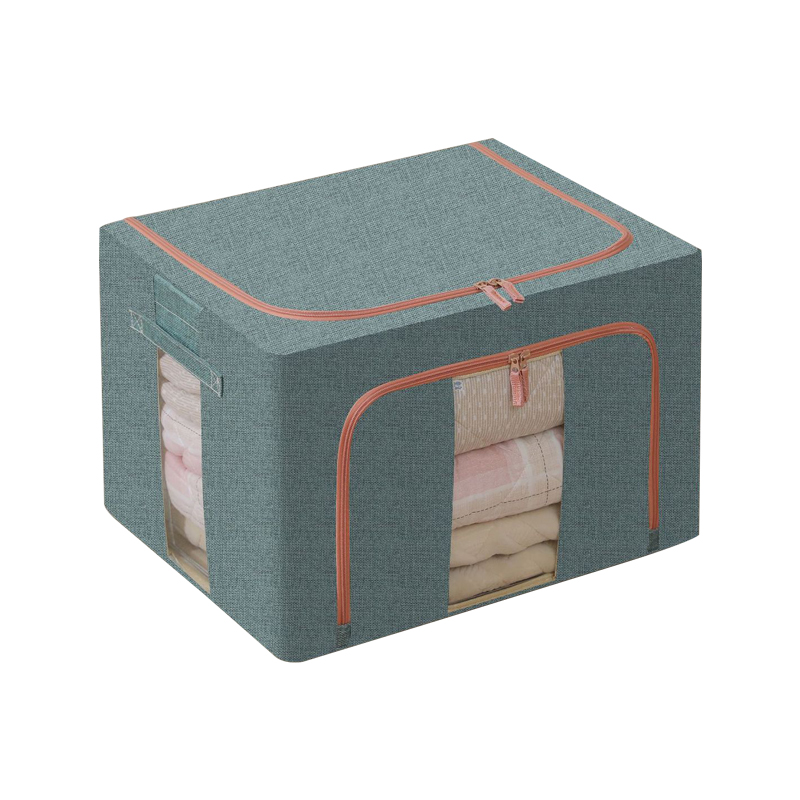
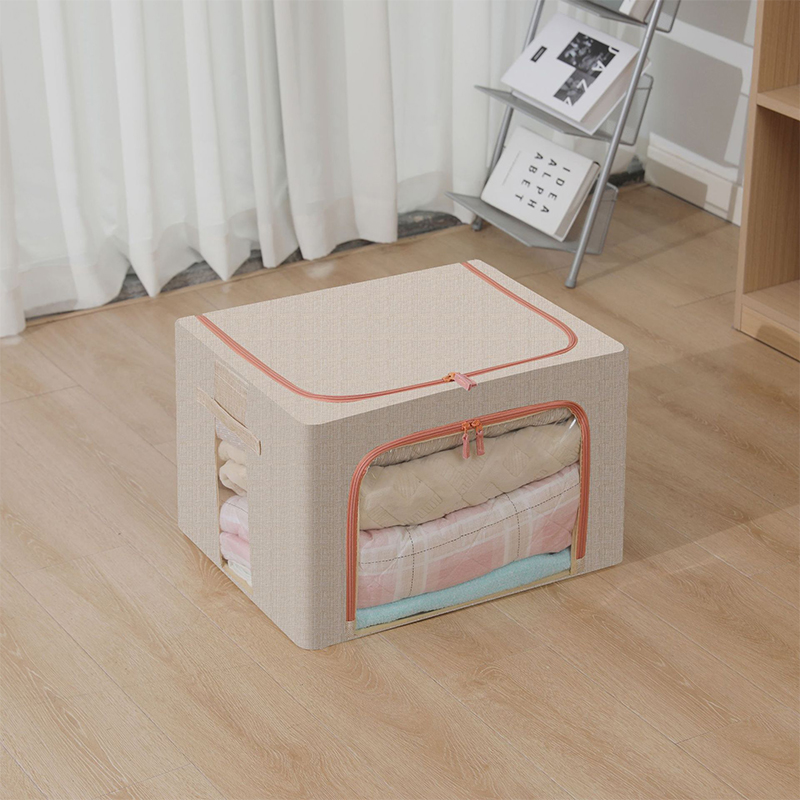 Quick View
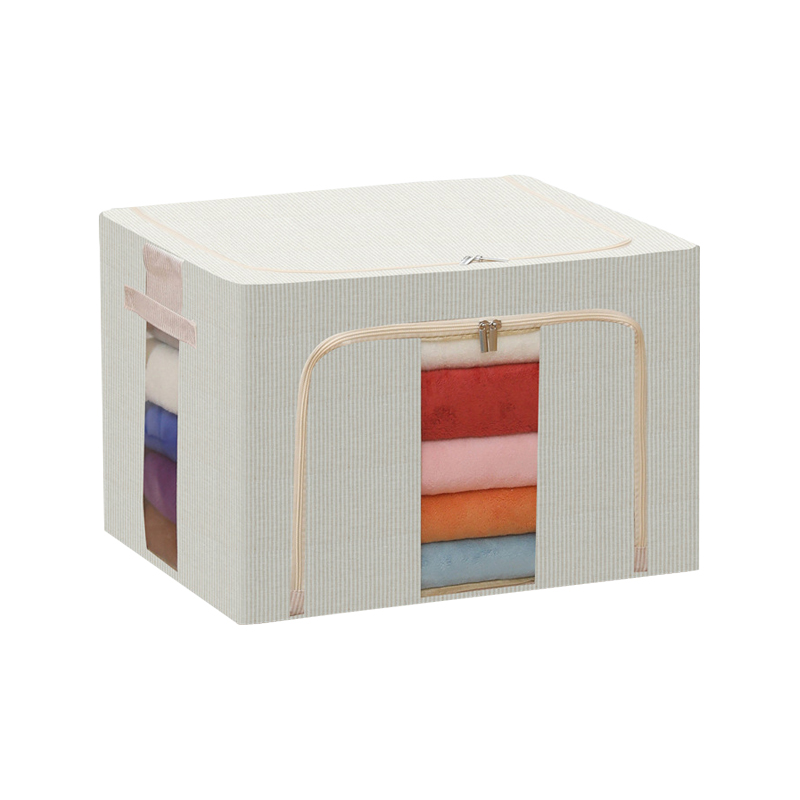
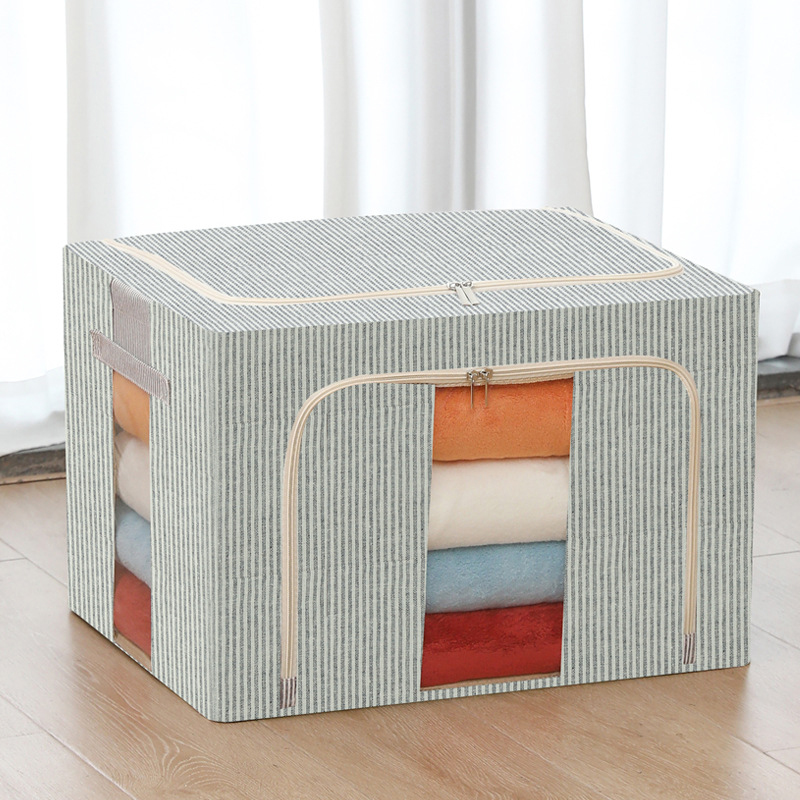 Quick View
 Quick View
 Quick View
 Quick View
 Quick View
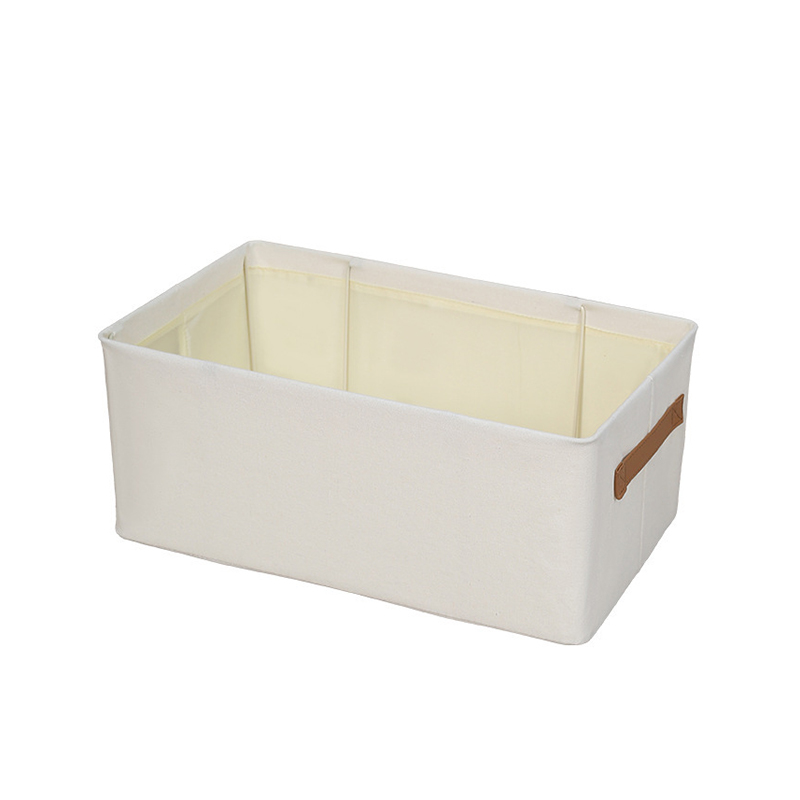
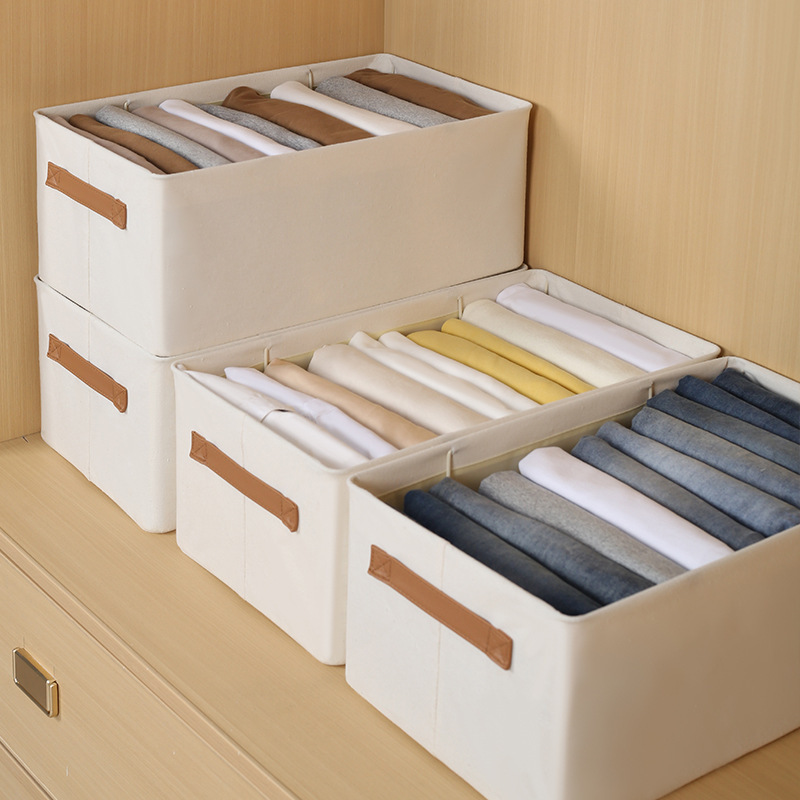 Quick View
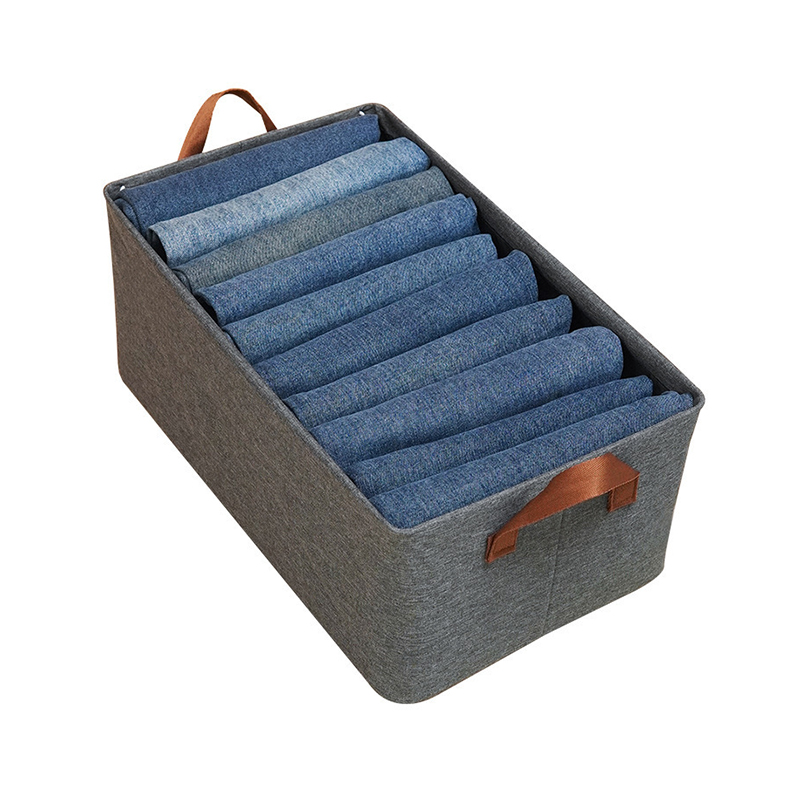
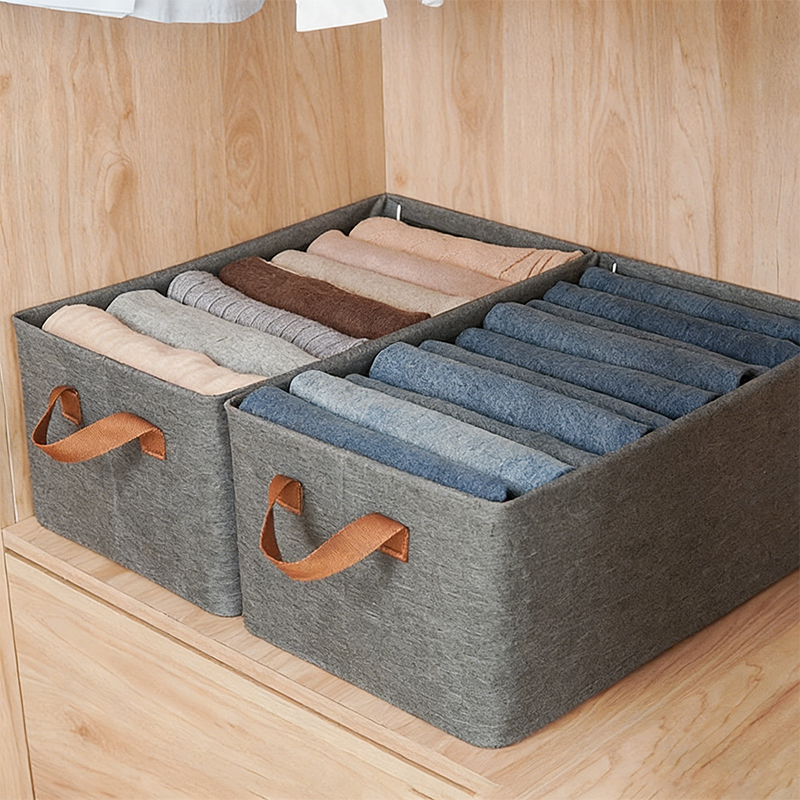 Quick View

Foldable Storage Bin Maker
Contact Us
 No. 15, Hetian Road, Shangxi Town, Yiwu City, Zhejiang Province
Mobile