

 English
 中文简体
中文简体 Español
 Deutsch



Foldable Storage Bin Maker


2026-07-17
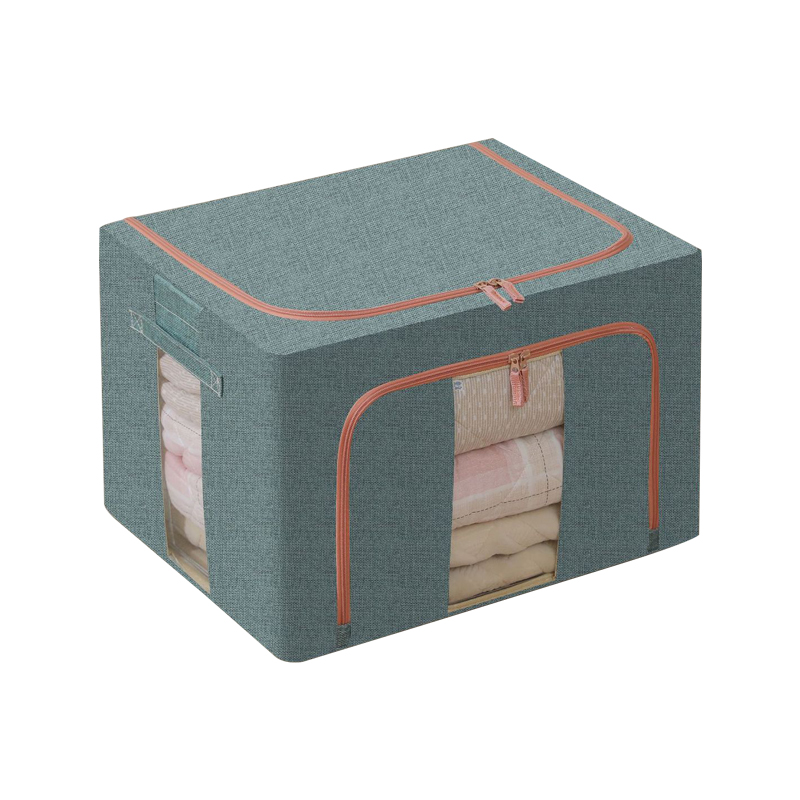
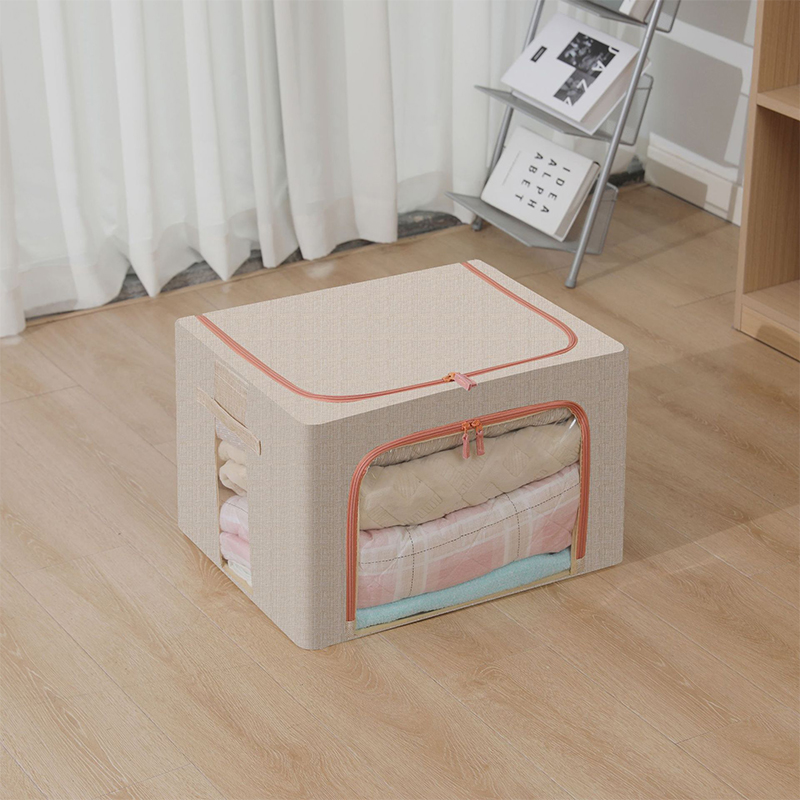
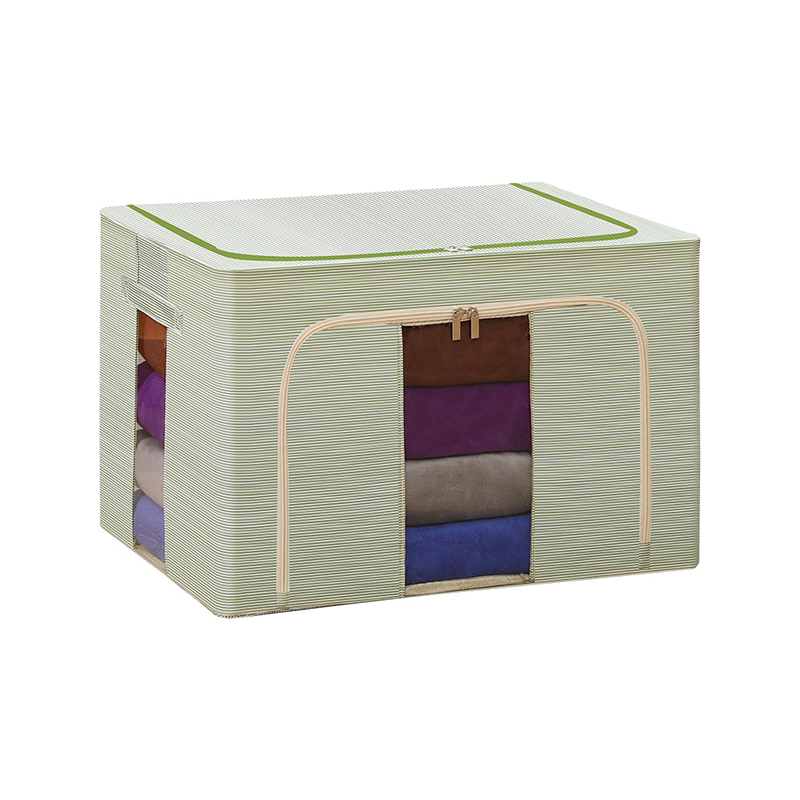
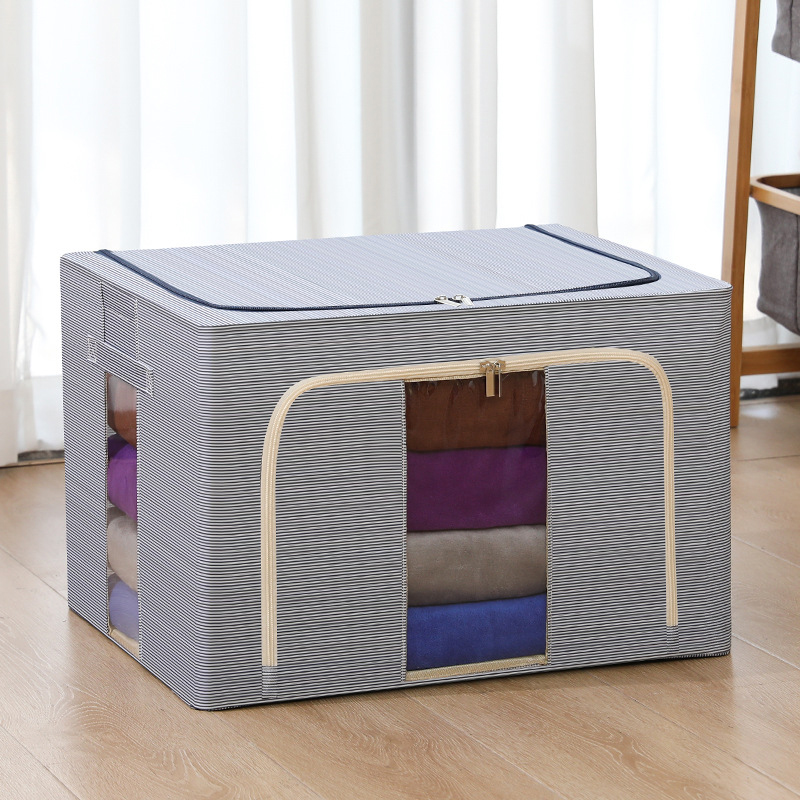
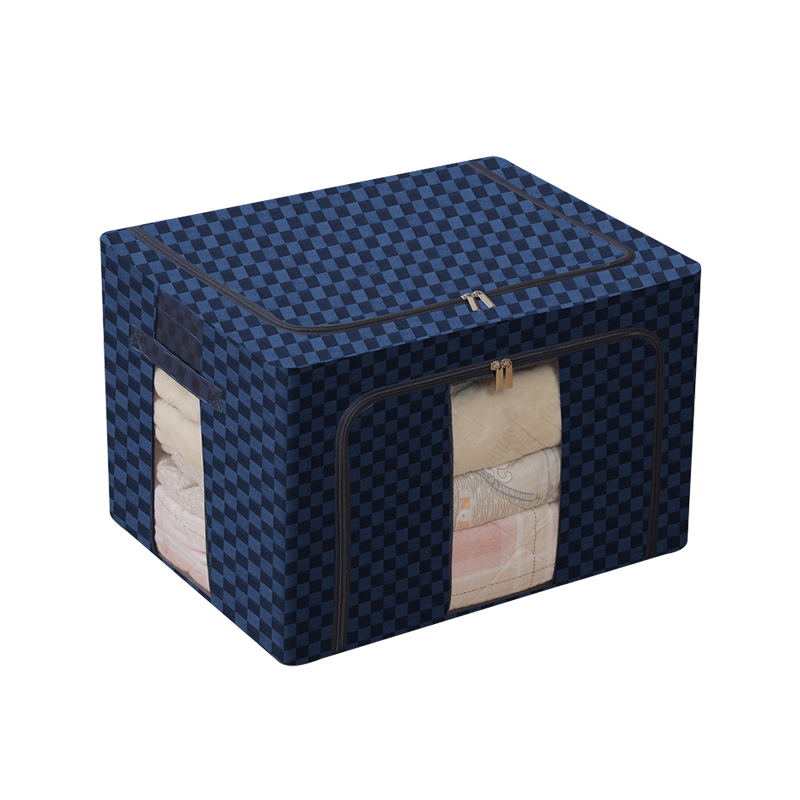
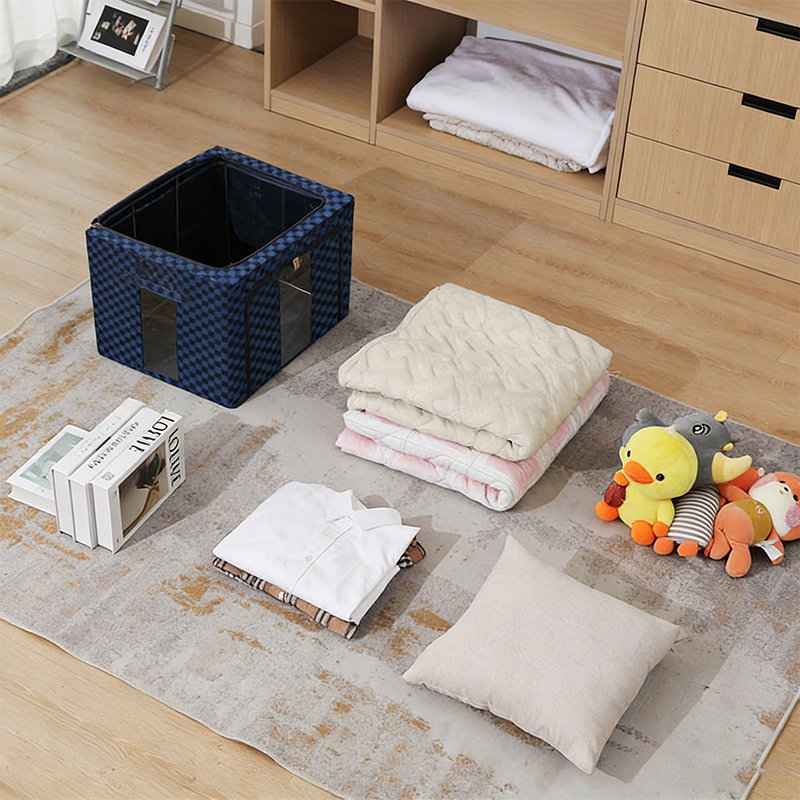
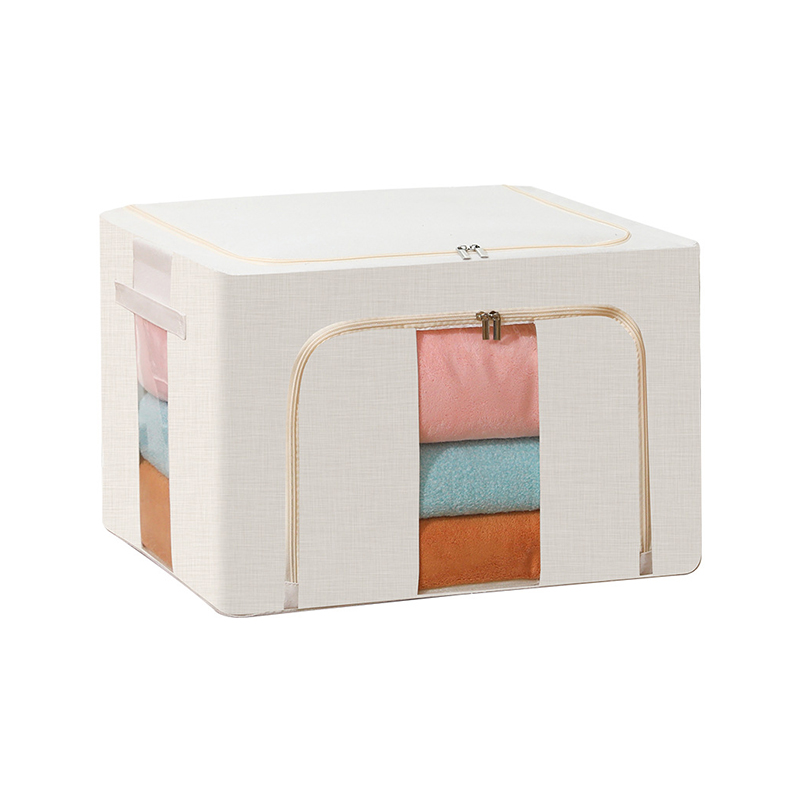
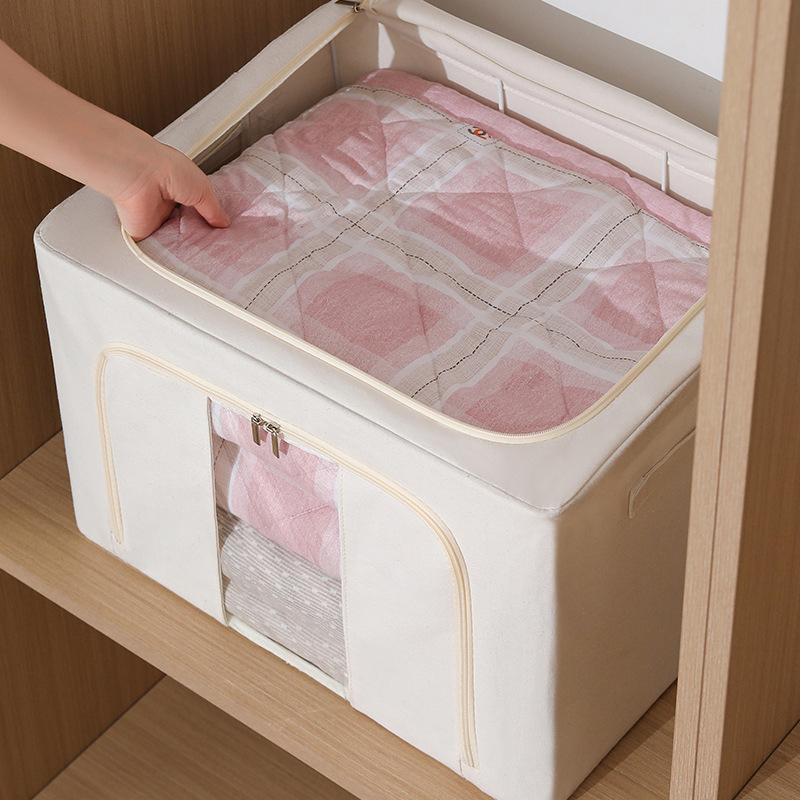
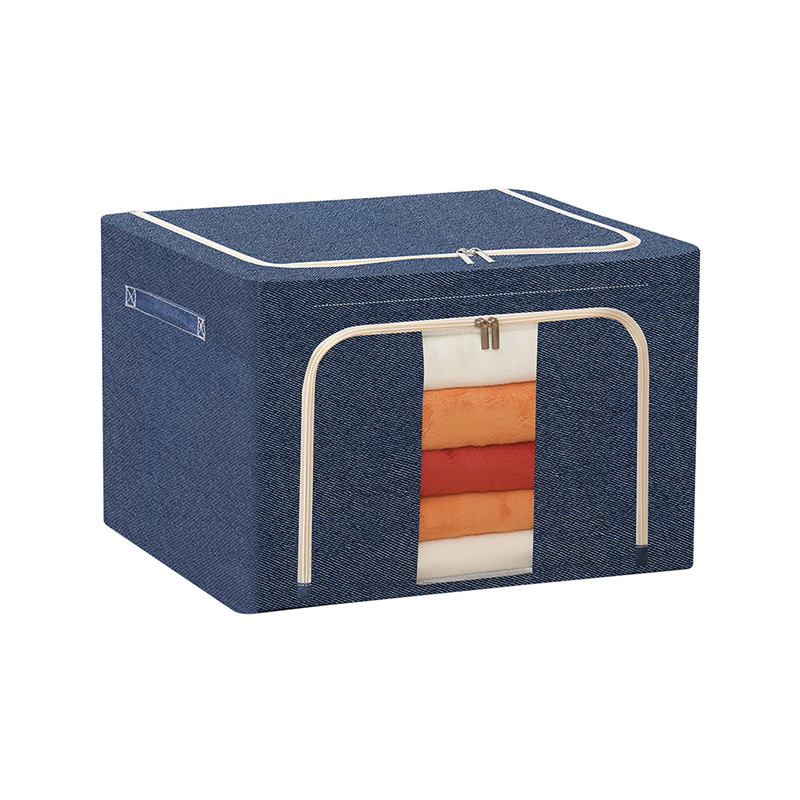
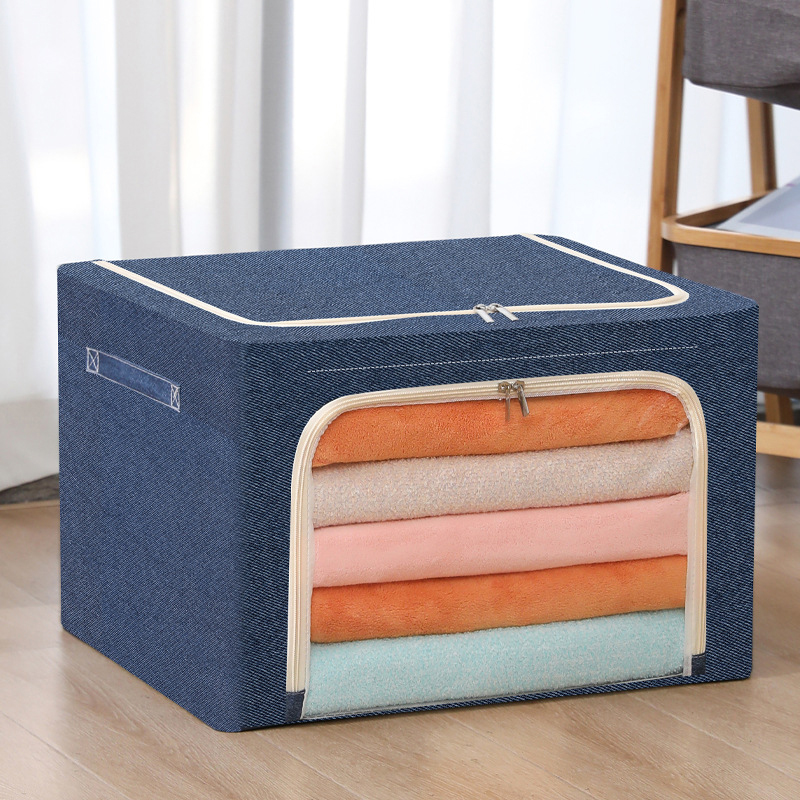
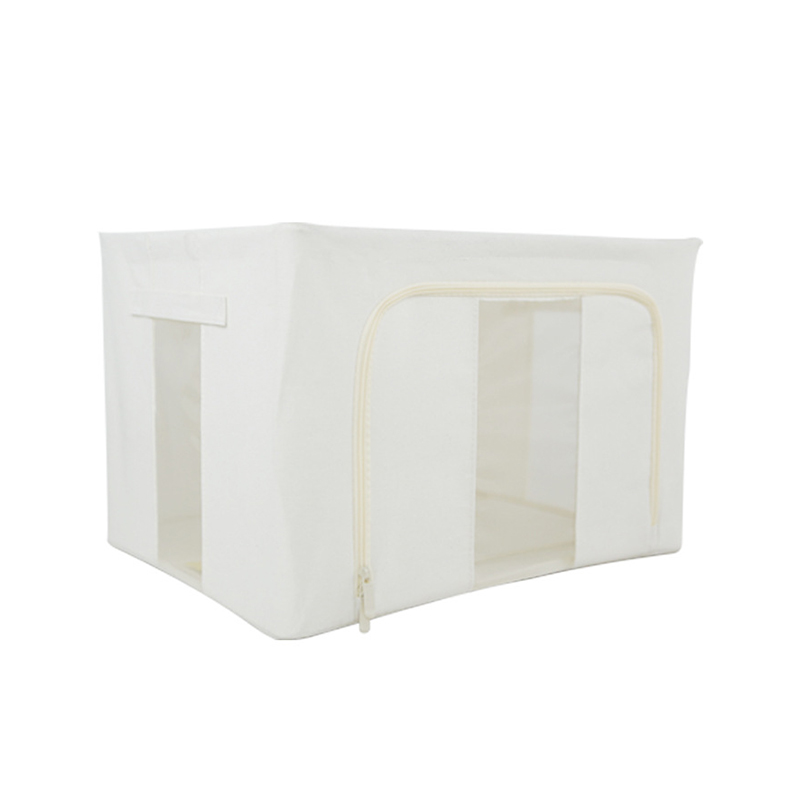
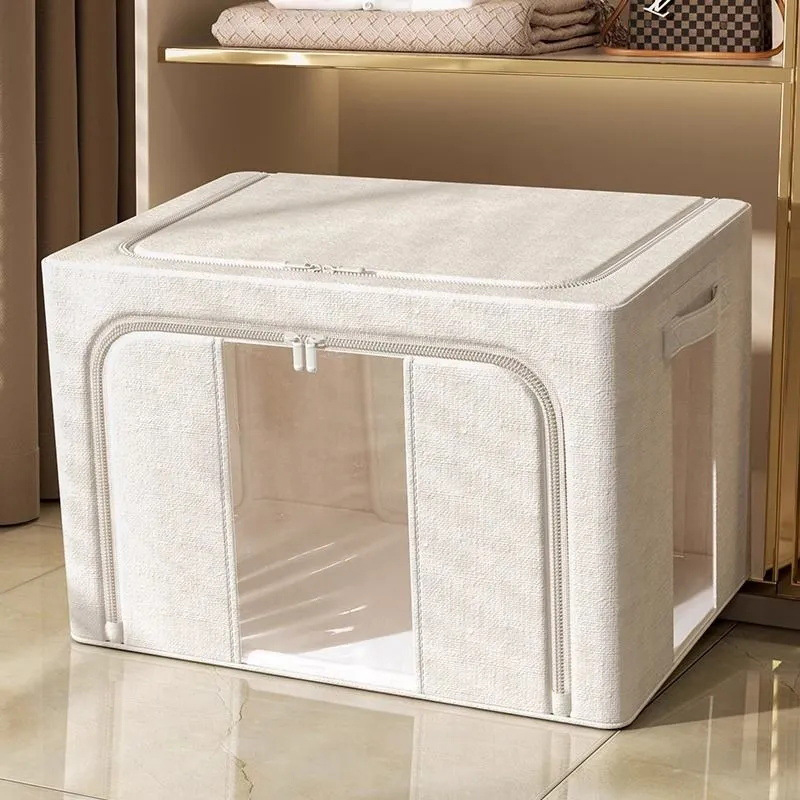
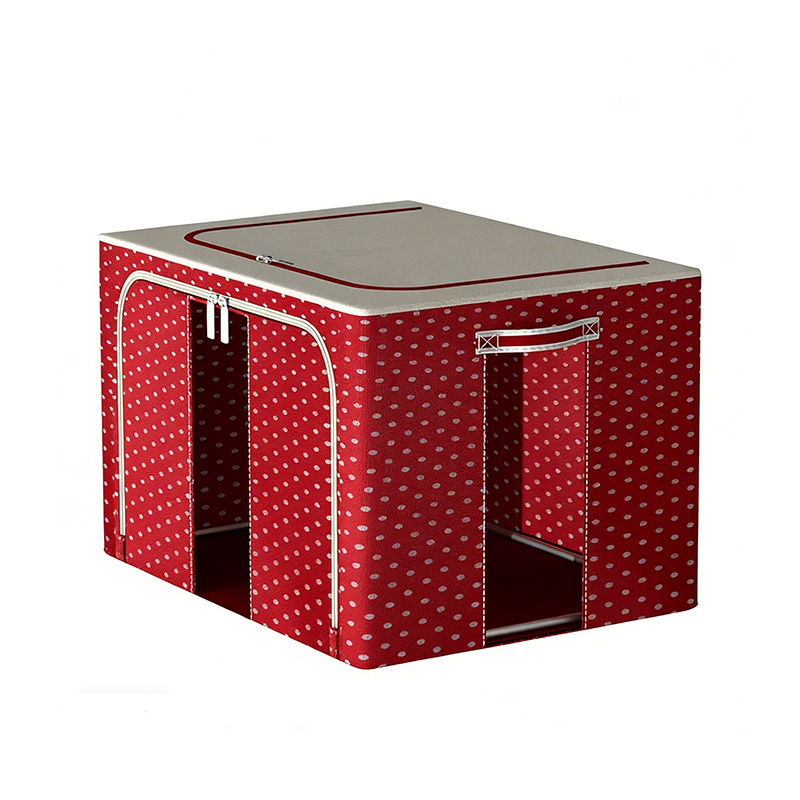
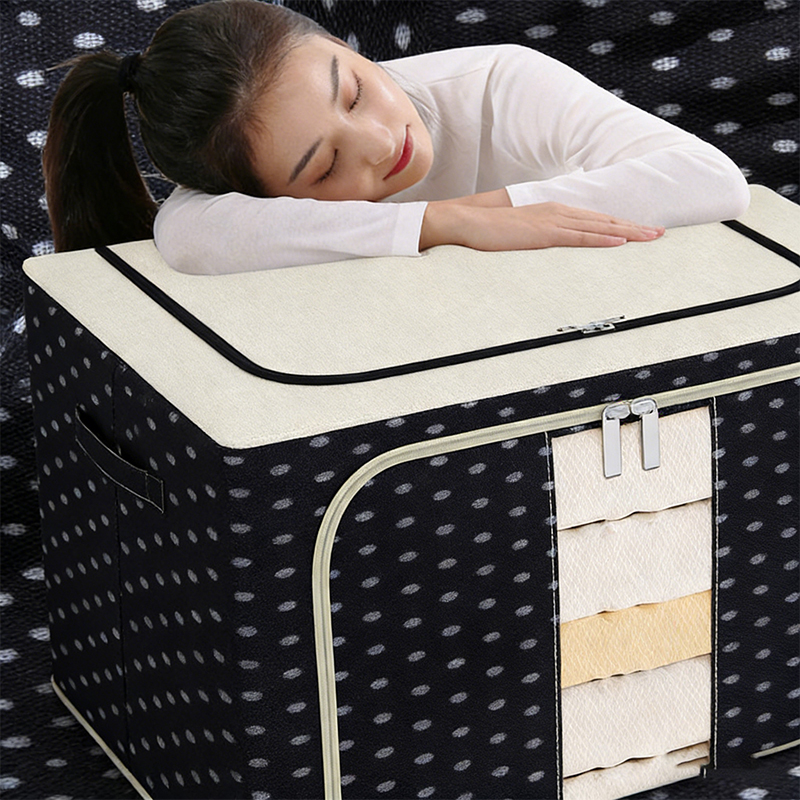
Home organization products continue to attract attention from retailers, importers, and private-label brands looking for practical storage solutions. Among these products, the Oxford cloth storage bin has become a popular choice because it combines lightweight construction with a structured appearance that fits different indoor spaces.
For B2B buyers, product selection involves more than appearance. Manufacturing quality, material consistency, customization options, and production capacity all influence purchasing decisions. As home storage collections expand, suppliers are introducing a wider range of sizes, colors, and structural designs to meet different market requirements.
The quality of an Oxford cloth storage bin begins with fabric selection. Oxford cloth is widely used because of its woven construction, which provides a balance between flexibility and durability. Different fabric weights are available depending on the intended product style and load requirements.
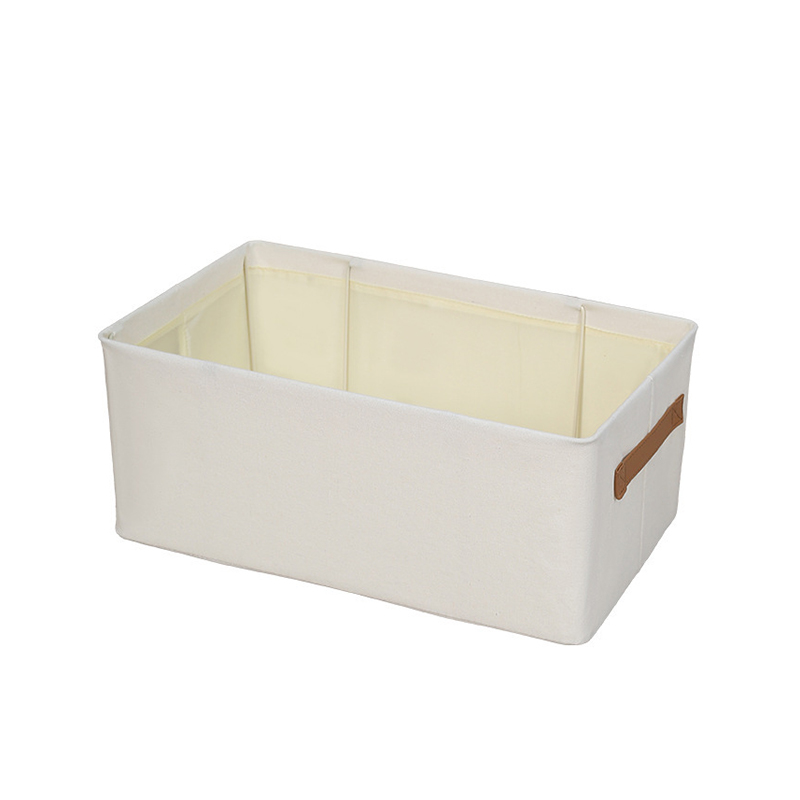
Many storage bins also combine Oxford cloth with inner support materials such as cardboard, polypropylene sheets, or non-woven fabric to help the product maintain its shape during everyday use. The combination of these materials creates a storage bin that can be folded for transportation while remaining stable after assembly.
Handles are another important part of the design. Depending on customer requirements, manufacturers may use fabric handles, reinforced webbing, or stitched carrying loops. Careful stitching around these areas helps improve overall product strength during repeated handling.
Producing an Oxford cloth storage bin involves several coordinated manufacturing processes. Fabric rolls are first inspected before entering automated cutting machines, where individual panels are prepared according to production drawings.
After cutting, sewing operators assemble the outer fabric panels, attach handles, and reinforce high-stress areas. Inner support boards are then inserted before the product moves to shaping and final inspection.
Many factories combine computerized cutting equipment with experienced sewing teams to improve production efficiency while maintaining consistent dimensions across different product sizes.
Production generally includes fabric cutting, panel sewing, handle attachment, structural insert installation, shape adjustment, appearance inspection, and packaging. Each step contributes to a storage bin that maintains consistent dimensions and appearance across large production batches.
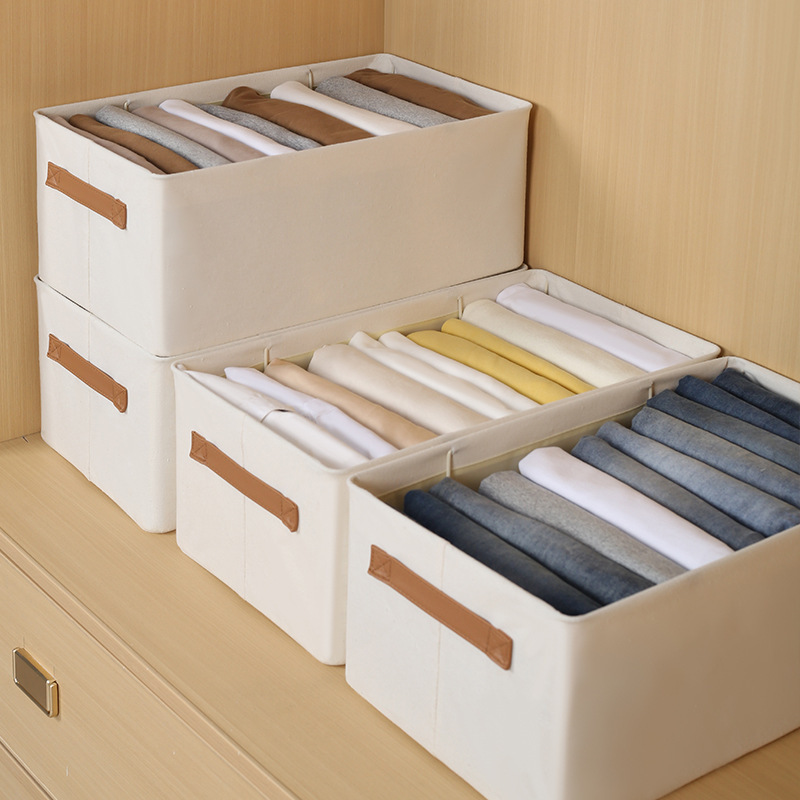
The Oxford cloth storage bin serves a wide range of commercial markets and retail categories. Its simple structure allows manufacturers to develop products suitable for different storage environments without making significant changes to the production process.
Common applications include:
Many retailers develop coordinated product series that include storage cubes, laundry baskets, wardrobe organizers, and collapsible containers with matching fabric colors and design styles. This allows brands to create complete home organization collections using similar production methods.
Because different markets have different space requirements, suppliers often manufacture multiple dimensions to fit shelves, closets, wardrobes, and storage racks.
For many international buyers, selecting an Oxford cloth storage bin supplier means choosing a manufacturing partner capable of supporting customized production. Private-label projects often require more than changing a product logo.
Manufacturers regularly assist customers with developing new dimensions, fabric colors, printed patterns, handle designs, packaging, and branding details. Sample production allows buyers to review product appearance and structural design before confirming larger production quantities.
Close communication between buyers and manufacturers during product development can simplify later production stages and help maintain consistency throughout the project. Suppliers with in-house sample development teams are often able to respond more efficiently to design revisions and seasonal product updates.
 Quick View
 Quick View
 Quick View
 Quick View
 Quick View
 Quick View
 Quick View
 Quick View
Foldable Storage Bin Maker
Contact Us
 No. 15, Hetian Road, Shangxi Town, Yiwu City, Zhejiang Province
Mobile