

 English
 中文简体
中文简体 Español
 Deutsch



Foldable Storage Bin Maker


2026-09-11
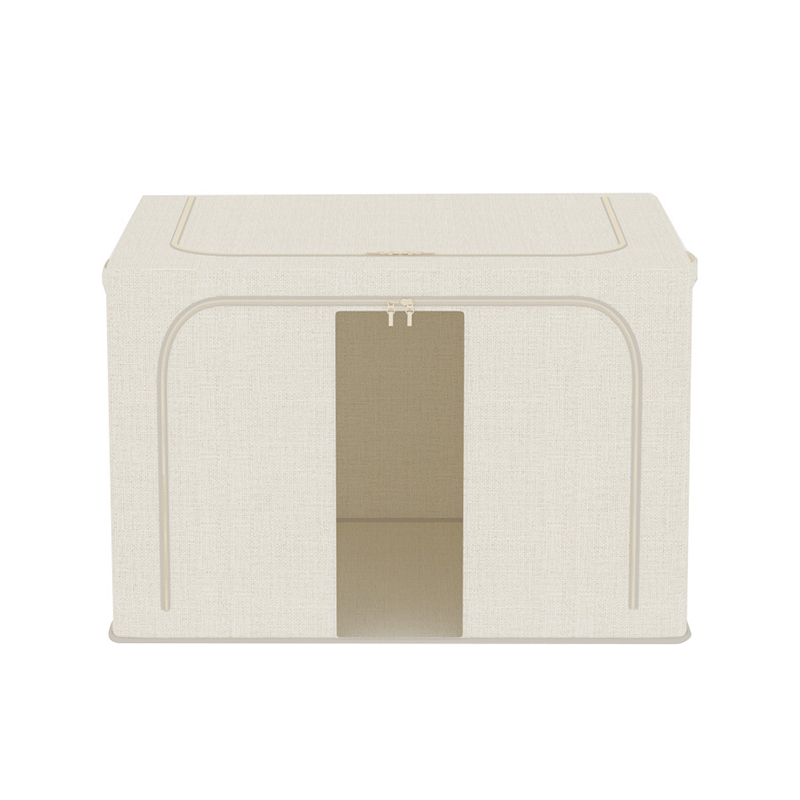
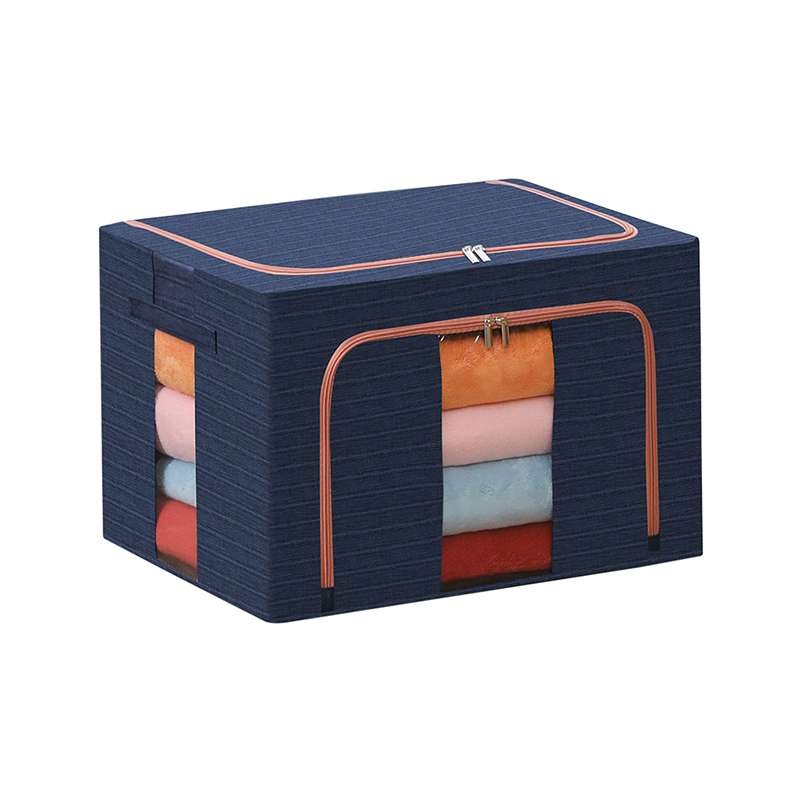
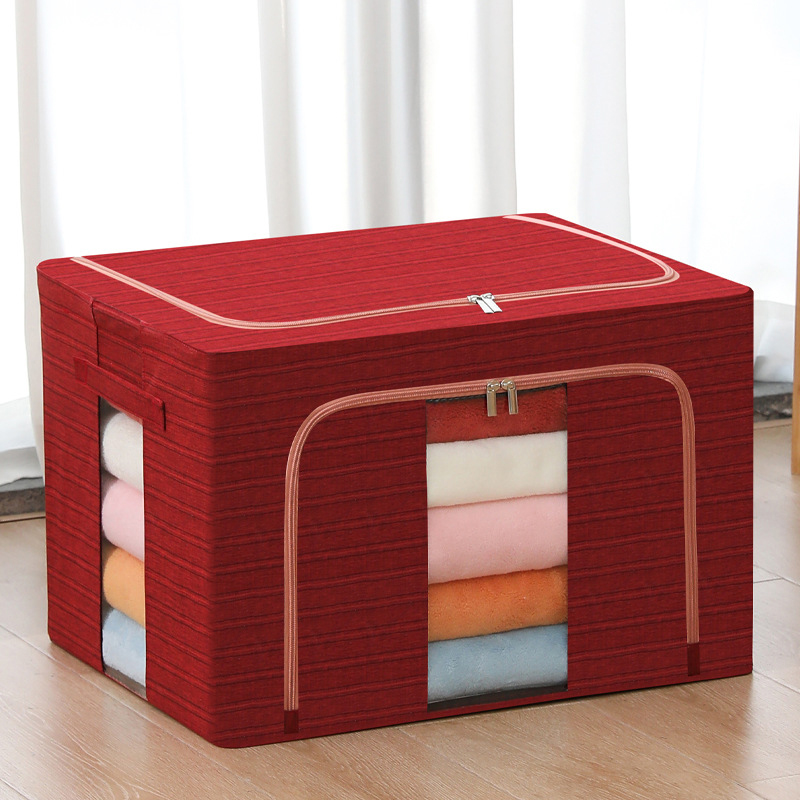
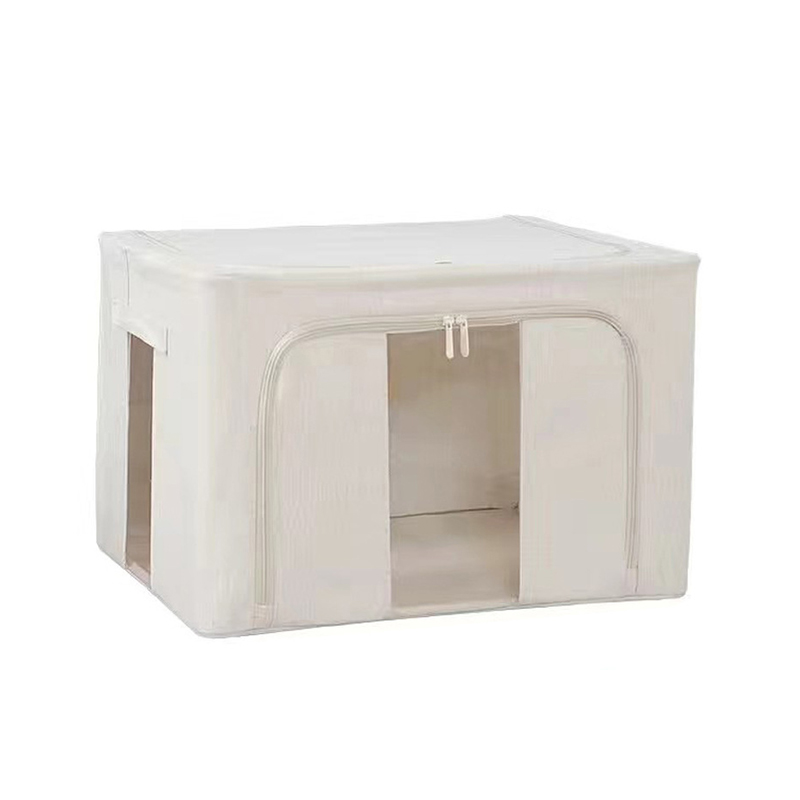
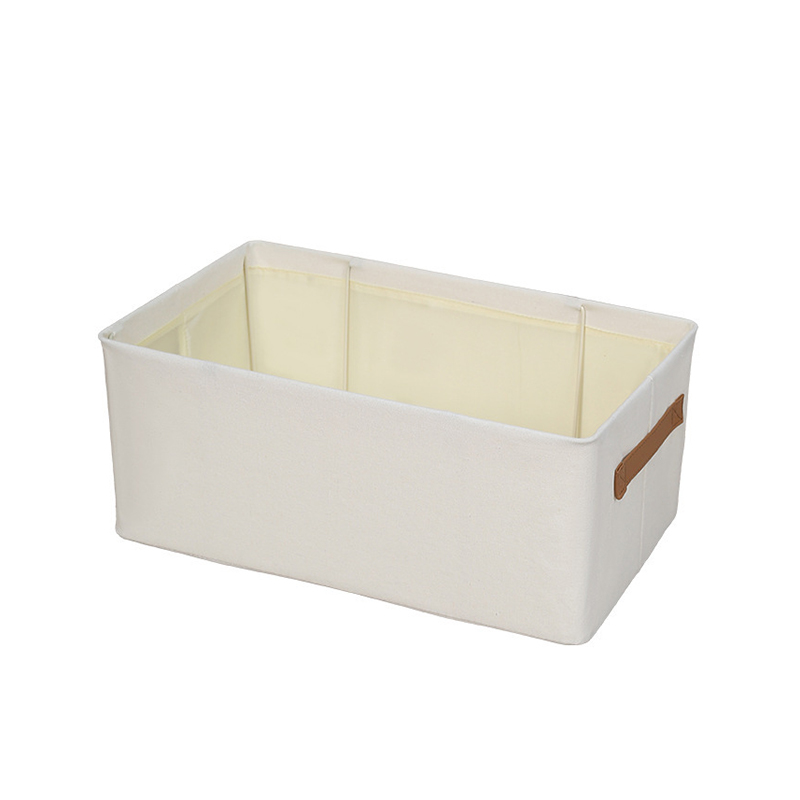
Empty a plastic bin and it still takes up the same amount of floor space it did when full. That's the annoying part nobody warns you about until moving day, or until a closet fills up with containers holding nothing but air. A fabric storage box skips that problem entirely — pull the contents out, fold the sides in, and it flattens down to almost nothing.
That collapsibility comes from a simple structural trick: a stiff cardboard or plastic insert sits hidden inside the fabric walls, giving the box enough rigidity to hold its shape while full, but not so much that it resists folding once emptied.
Peel back the fabric exterior of most collapsible boxes and there's a support layer doing the real structural work. Thin cardboard sheets are common in lower-cost versions, while pressed plastic panels show up in boxes built for repeated folding and unfolding, since cardboard inserts tend to soften after enough cycles of collapse and reassembly.
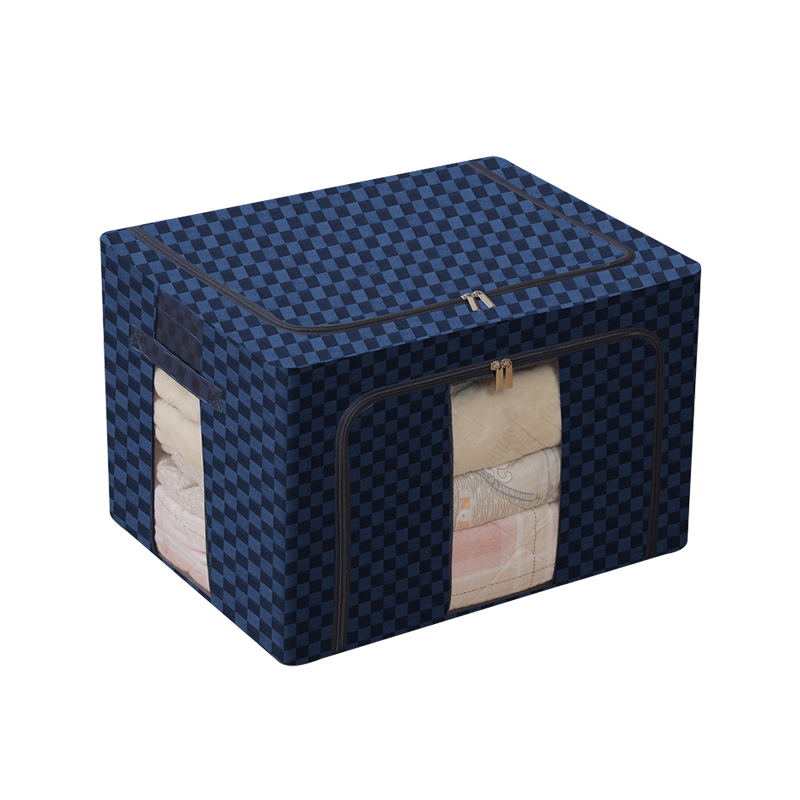
The fabric shell itself usually consists of a woven or non-woven polyester blend, sometimes coated lightly to resist dust and minor moisture. Non-woven fabrics cost less to produce and hold printed patterns well, which explains why so many fabric storage box designs come loaded with prints — florals, stripes, geometric shapes — rather than sticking to plain solid colors.
Base construction deserves its own mention. A box with a soft fabric base sags under weight; a box with a reinforced cardboard or plastic bottom panel holds books, folded sweaters, or toys without the bottom bowing outward over time.
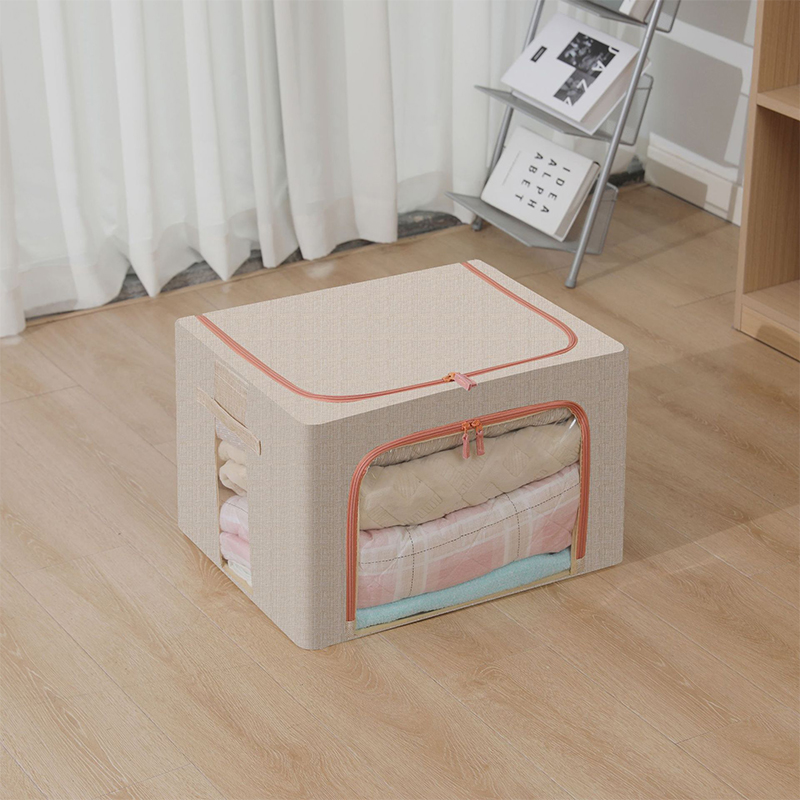
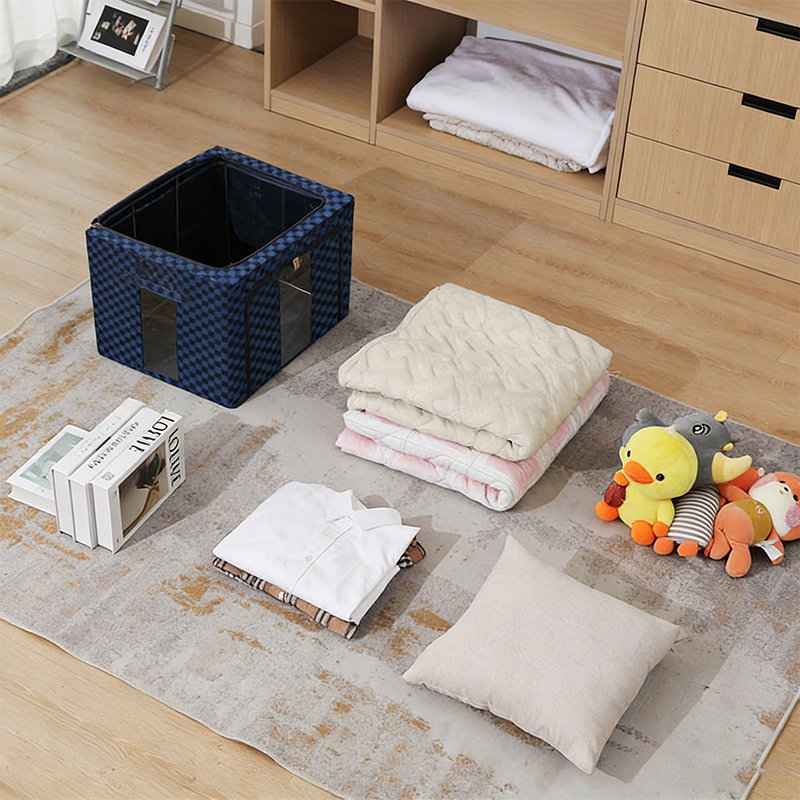
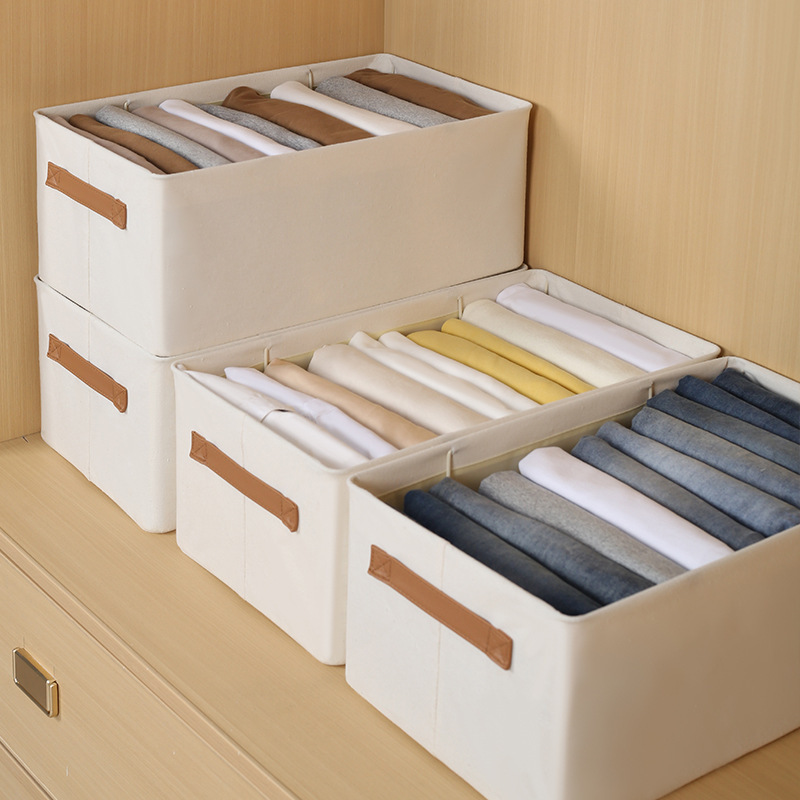
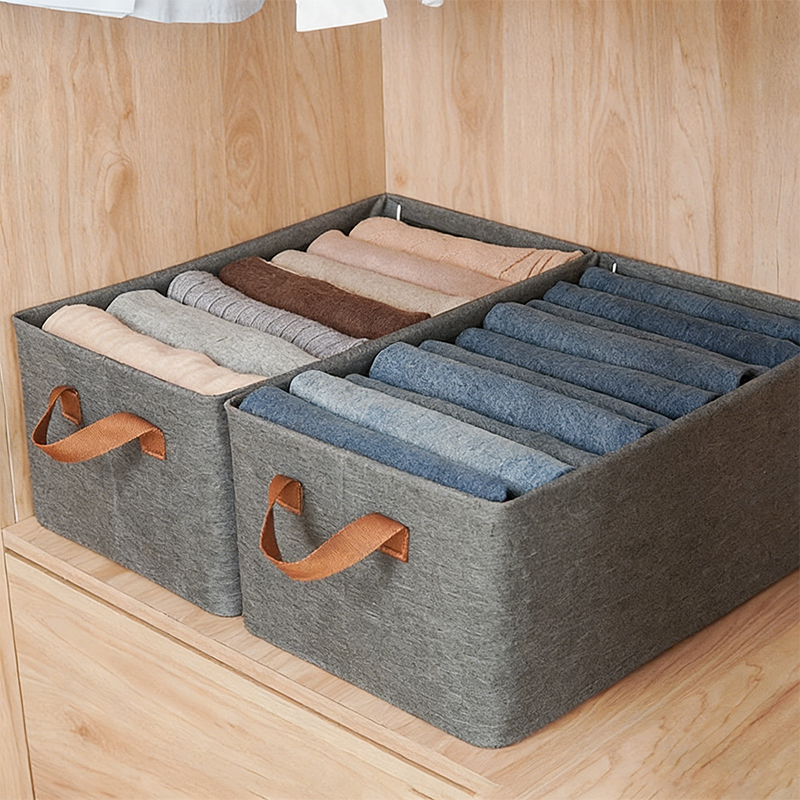
Closets remain the obvious destination, but fabric storage box demand spreads well past bedroom organization. A few spaces where these boxes turn up constantly:
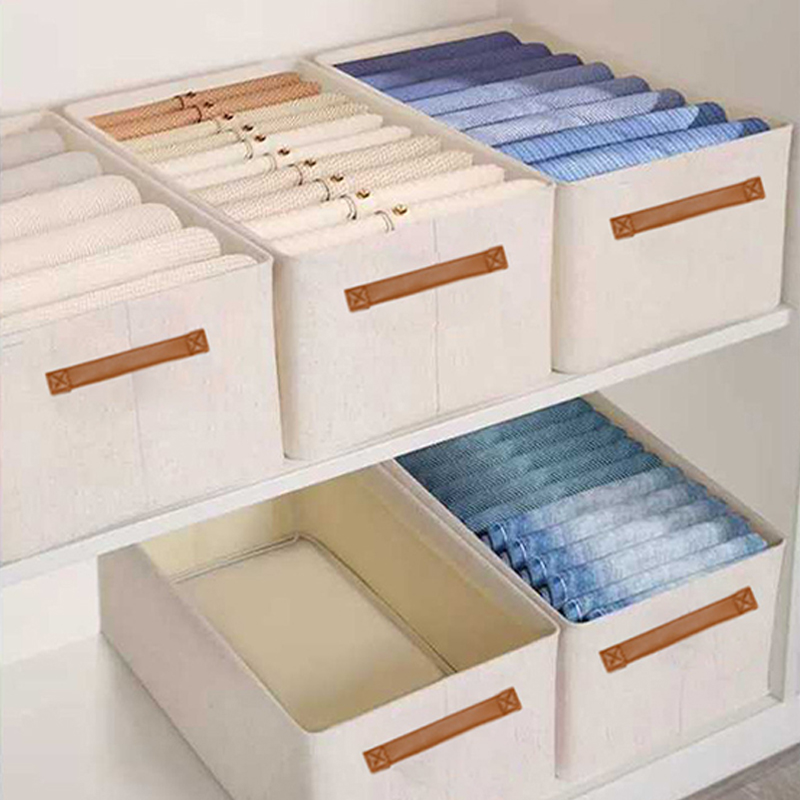
Open shelving is worth calling out specifically here, since fabric boxes solve a display problem plastic bins struggle with. A shelf lined with matching fabric boxes looks intentional and tidy; the same shelf lined with mismatched plastic containers usually looks like storage overflow rather than a design choice.
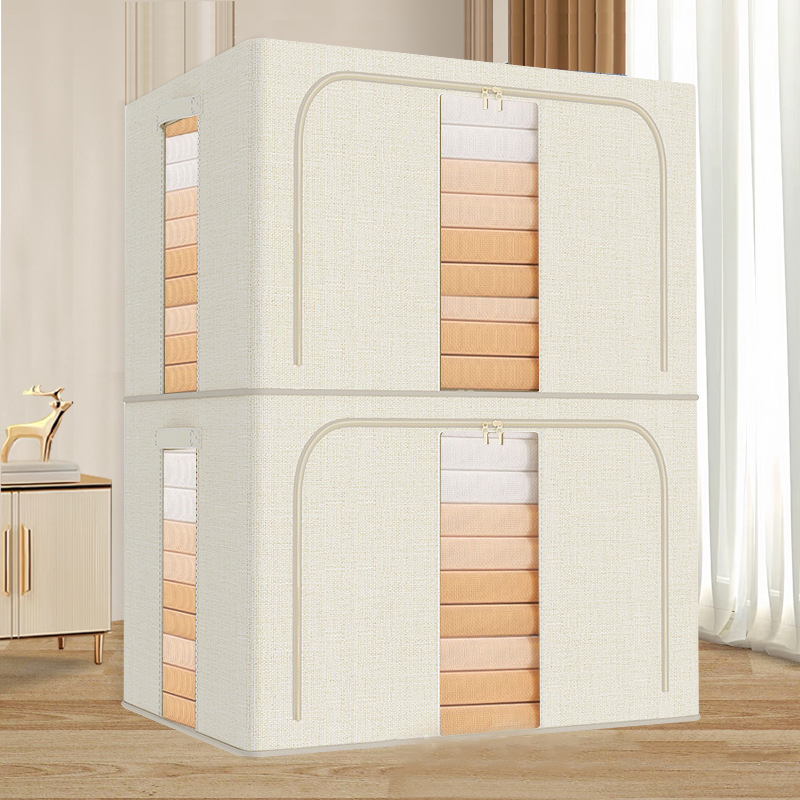
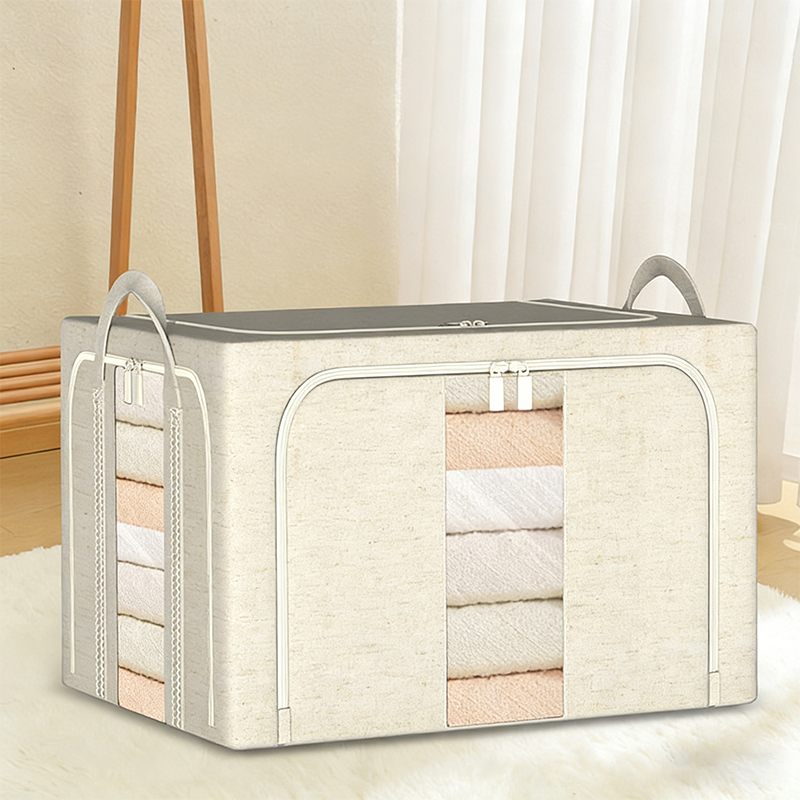
Dimensions vary widely depending on intended contents. Small cube sizes, often around ten to twelve inches per side, suit toy bins or craft supply sorting. Larger rectangular versions stretch closer to blanket-storage territory, sized to slide under a bed or stack inside a closet without wasted vertical space.
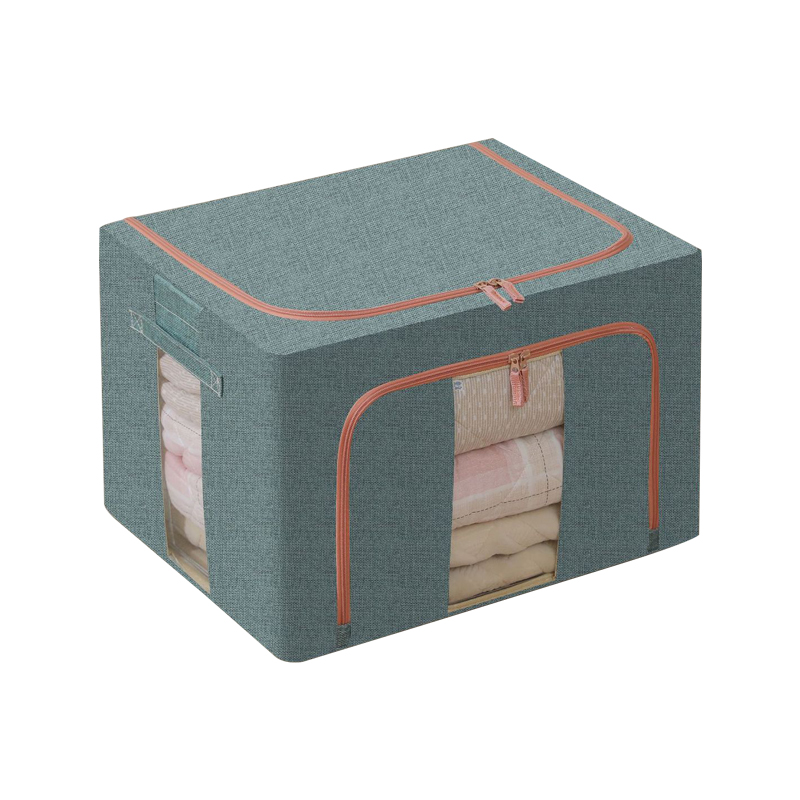
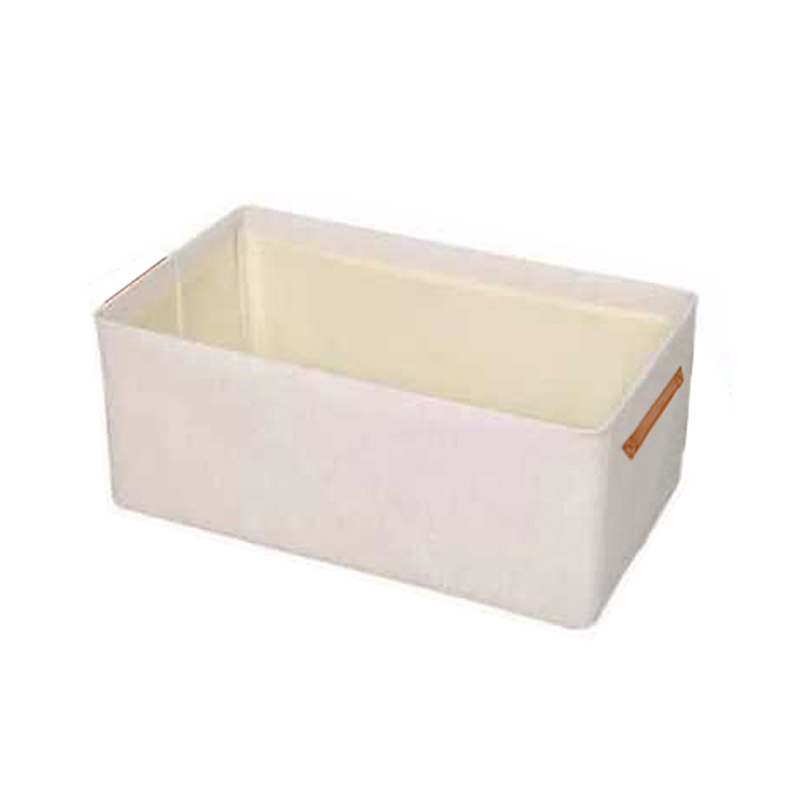
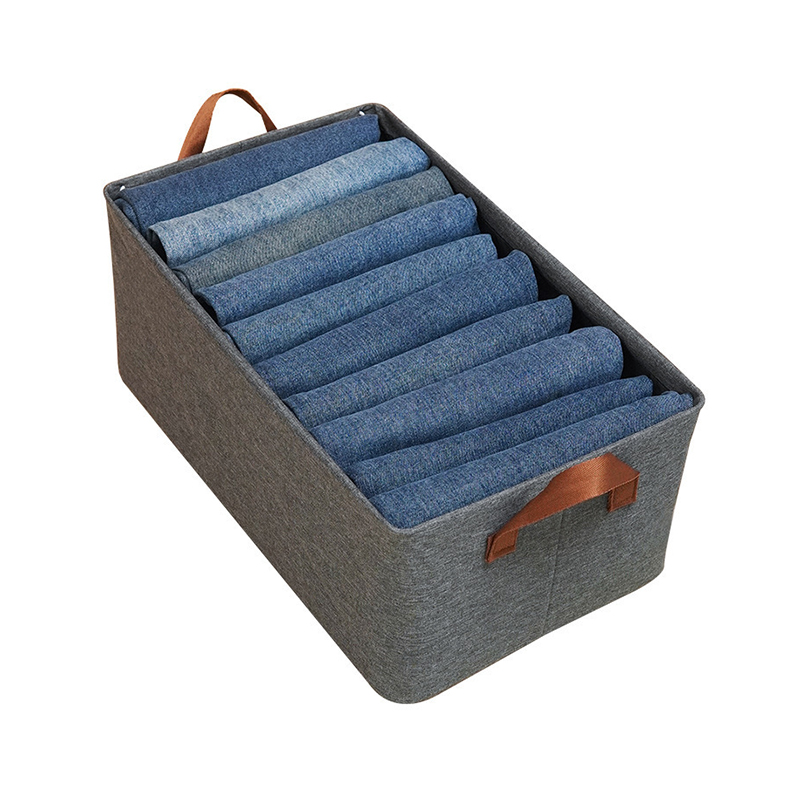
Handles matter more than they might initially seem. Cutout handles built into the fabric itself keep costs down but wear faster at the stress points where fingers grip repeatedly. Fabric loop handles, stitched on separately, distribute pull force across a wider seam and generally hold up better under frequent use, particularly on larger boxes carrying real weight.
Open shelving or a closed closet — that distinction alone often decides which lid style someone picks. Lid design on a fabric storage box splits into two camps: boxes with no lid at all, functioning as open bins, and boxes with a flip-top or fully removable lid, aimed at buyers wanting dust protection or a cleaner look on visible shelving.
 Quick View
 Quick View
 Quick View
 Quick View
 Quick View
 Quick View
 Quick View
 Quick View

Foldable Storage Bin Maker
Contact Us
 No. 15, Hetian Road, Shangxi Town, Yiwu City, Zhejiang Province
Mobile