

 English
 中文简体
中文简体 Español
 Deutsch



Foldable Storage Bin Maker


2026-09-18
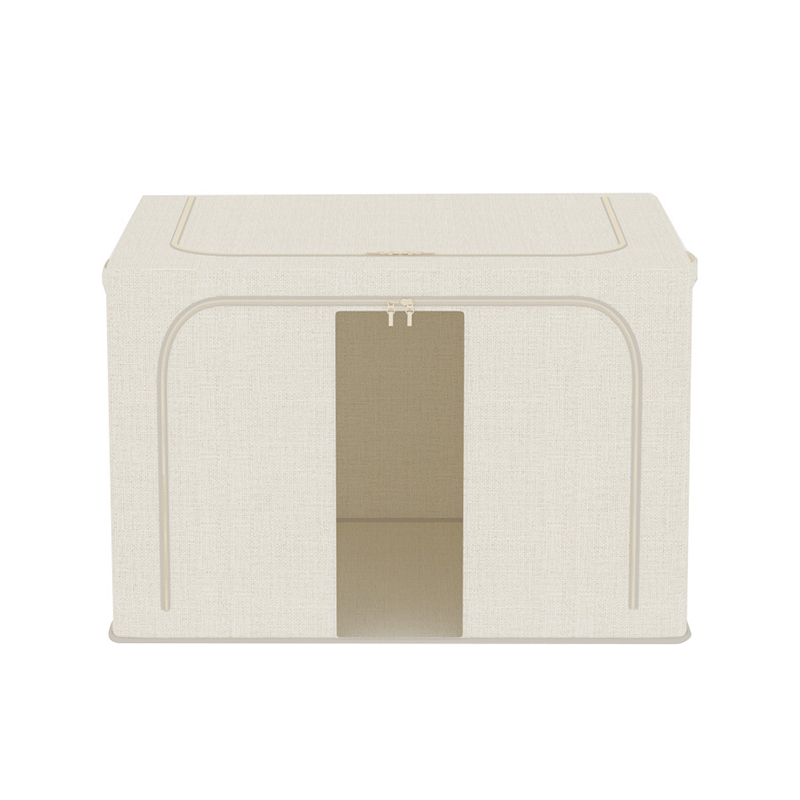
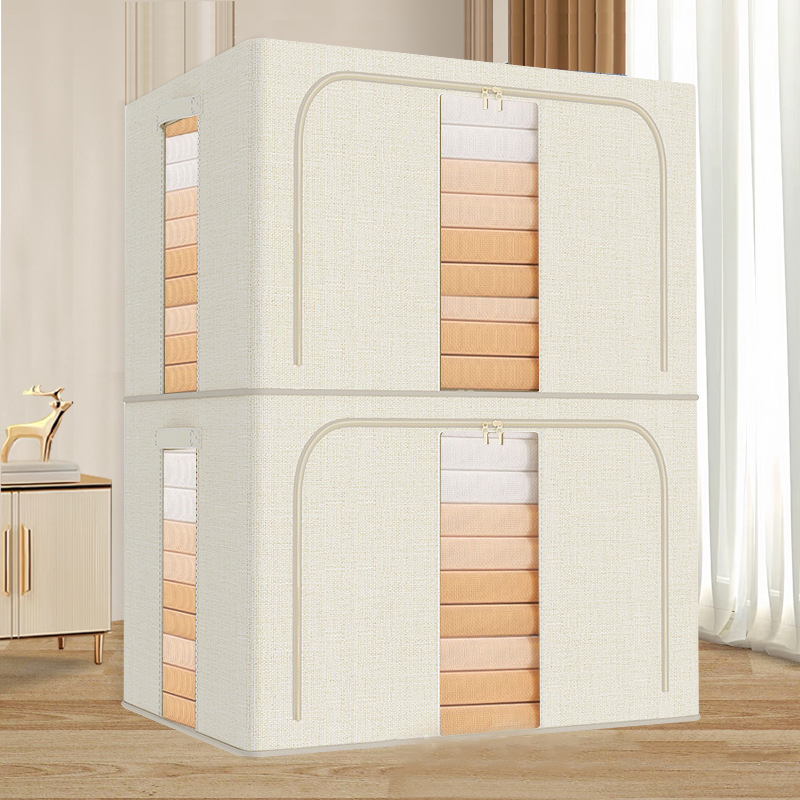
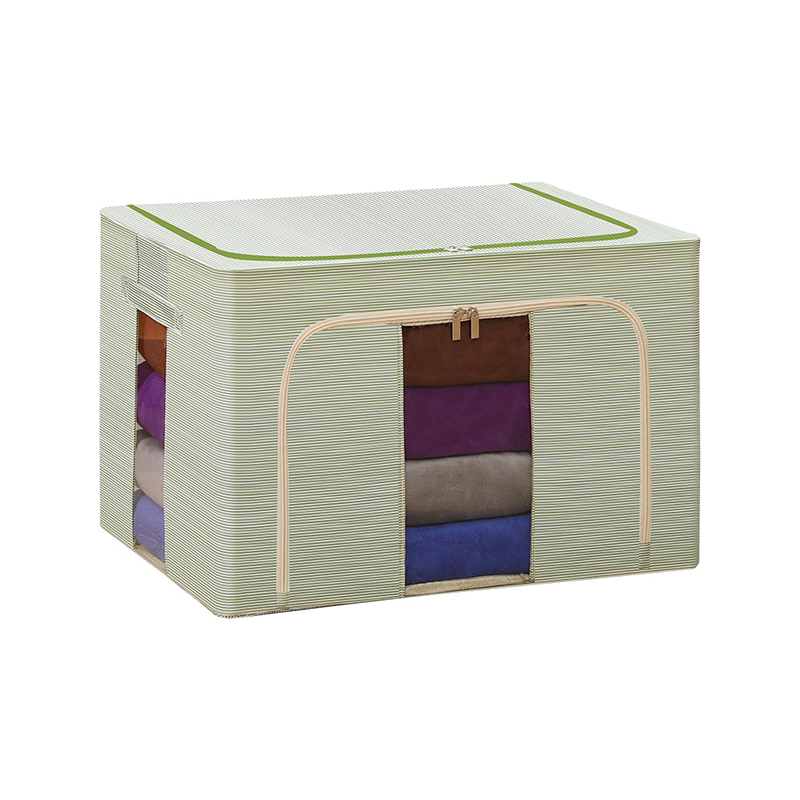
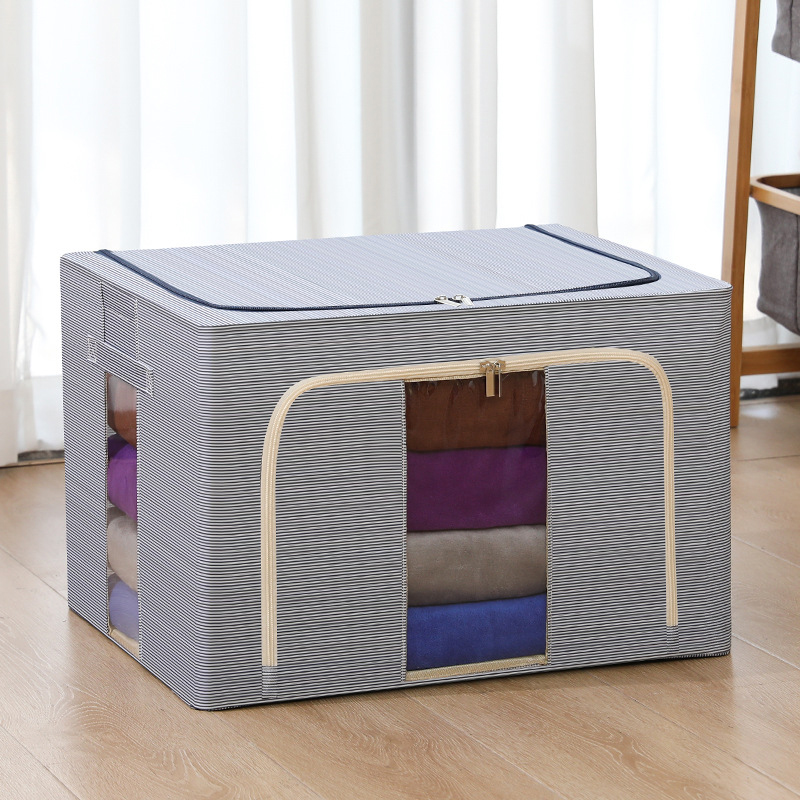
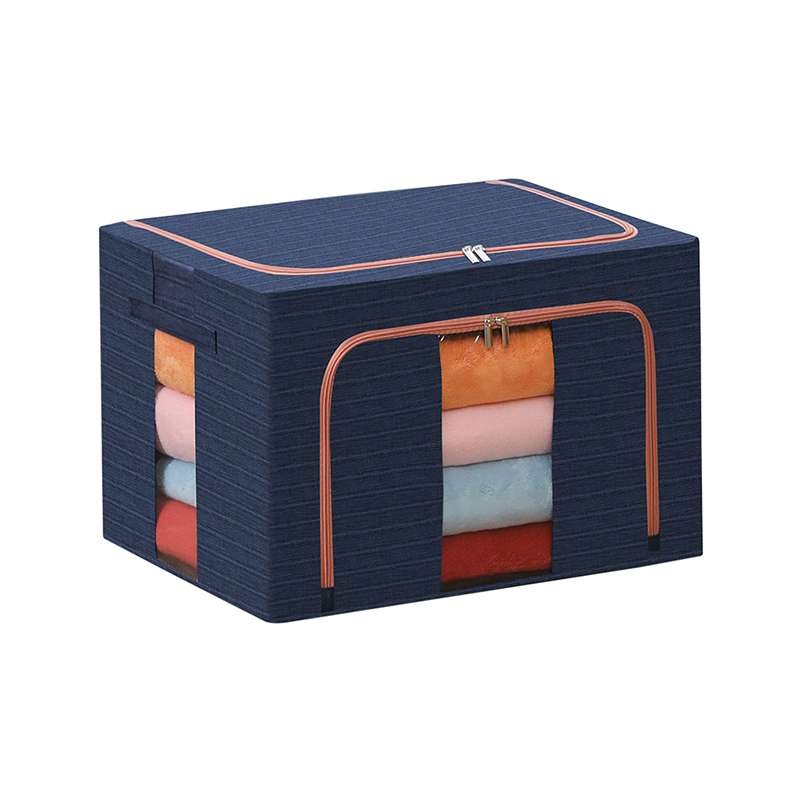
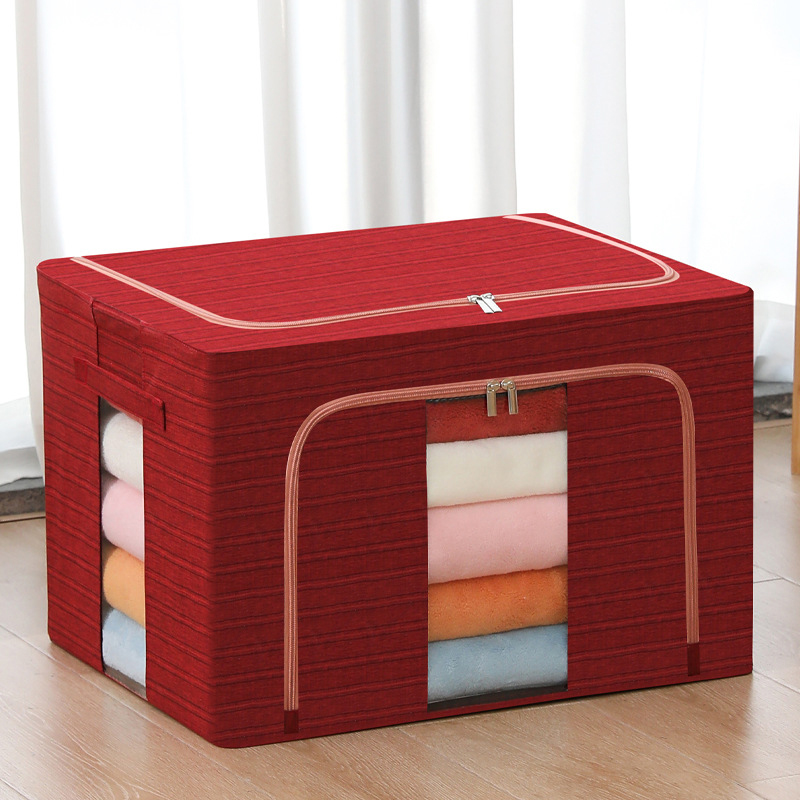
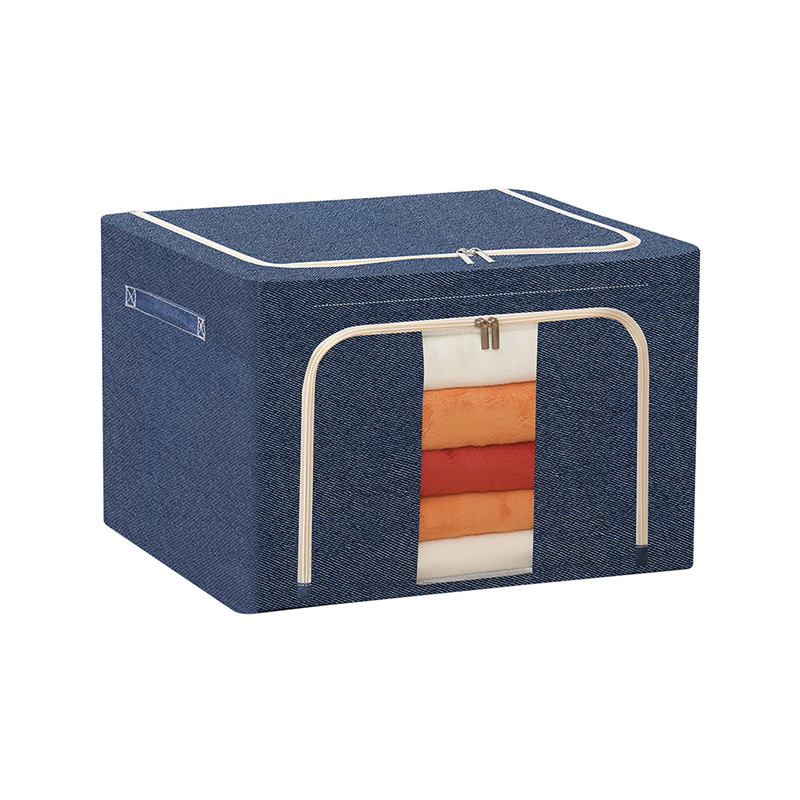
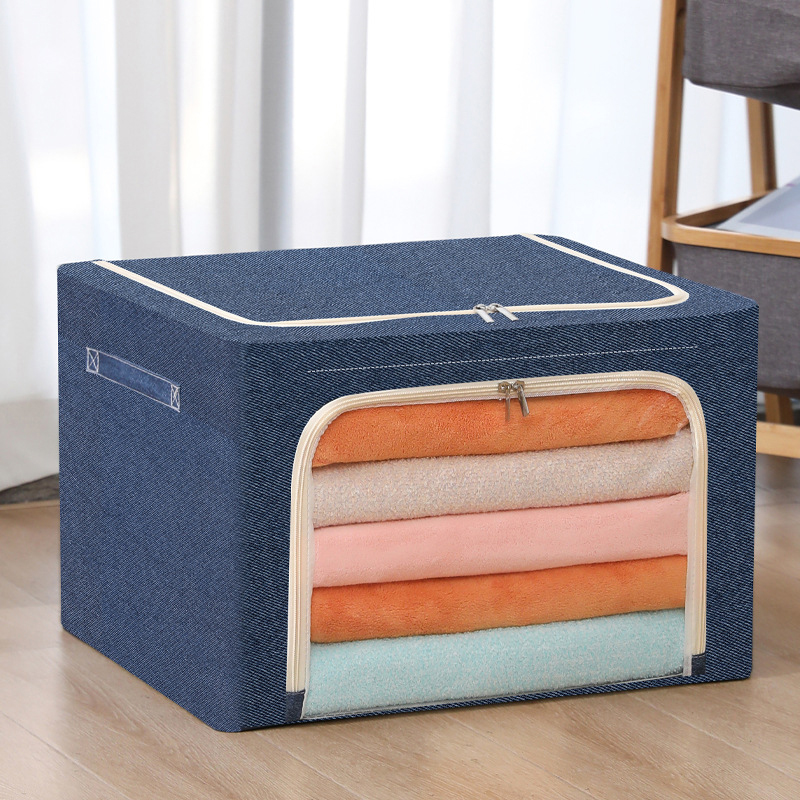
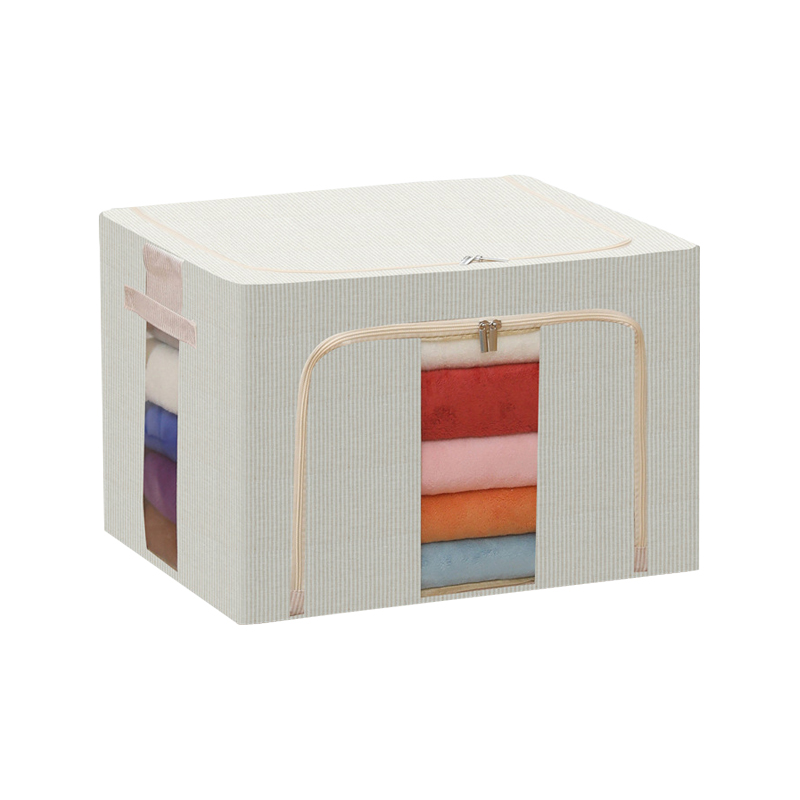
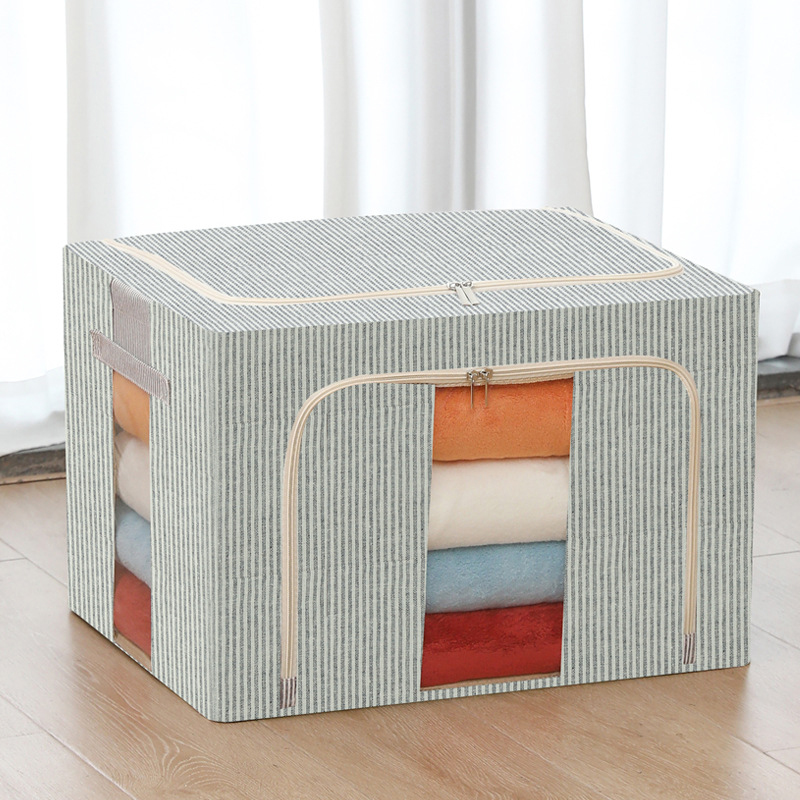
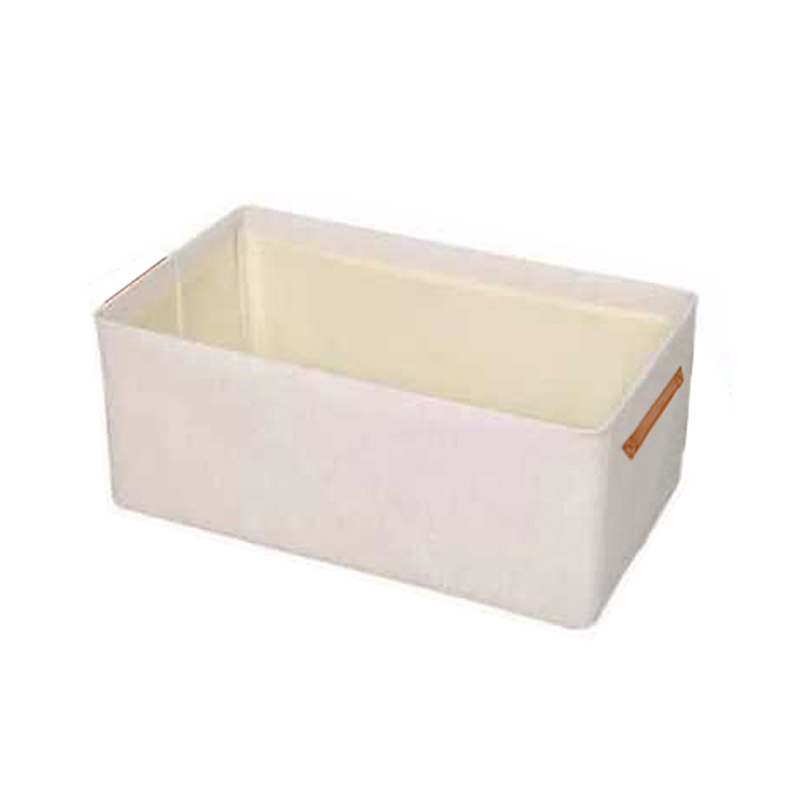
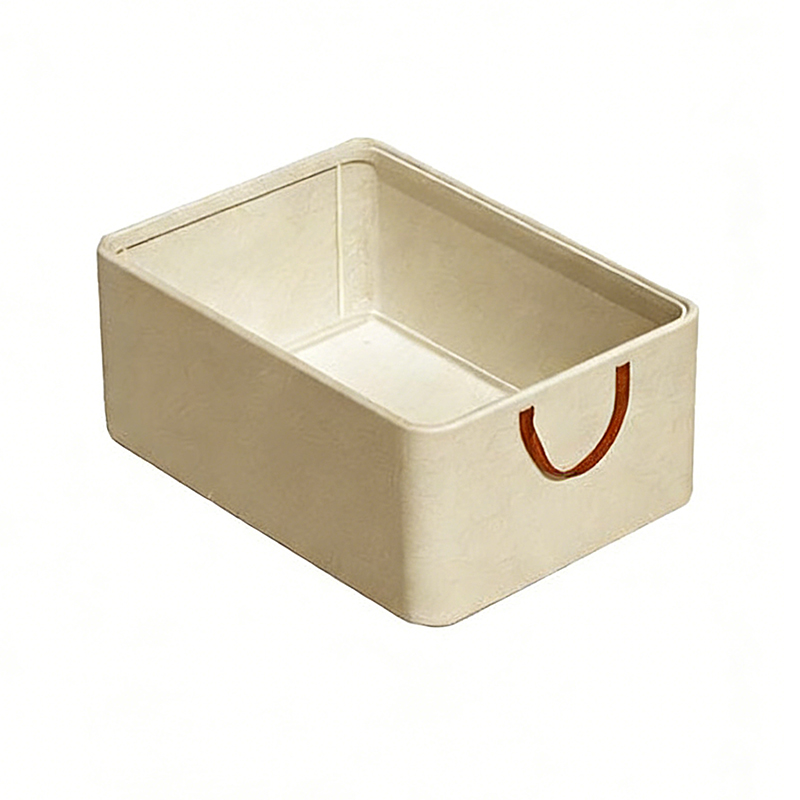
Projects typically begin with a review of intended contents, handling frequency, and available shelf or floor space. Development teams discuss load capacity, open or lidded styles, and preferred proportions that fit standard shelving units. A supplier of Fabric storage basket solutions examines these factors alongside fabric weight and reinforcement needs.
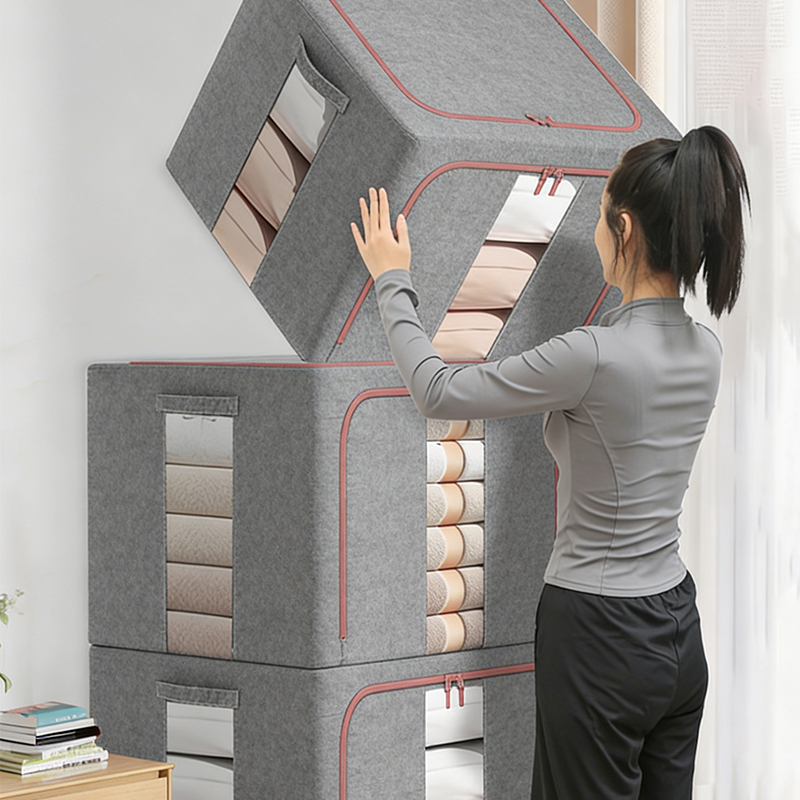
Clear notes on stacking behavior and grip points help ensure the baskets perform reliably when staff move them throughout a shift. Early prototypes allow both sides to test real handling before committing to larger quantities.
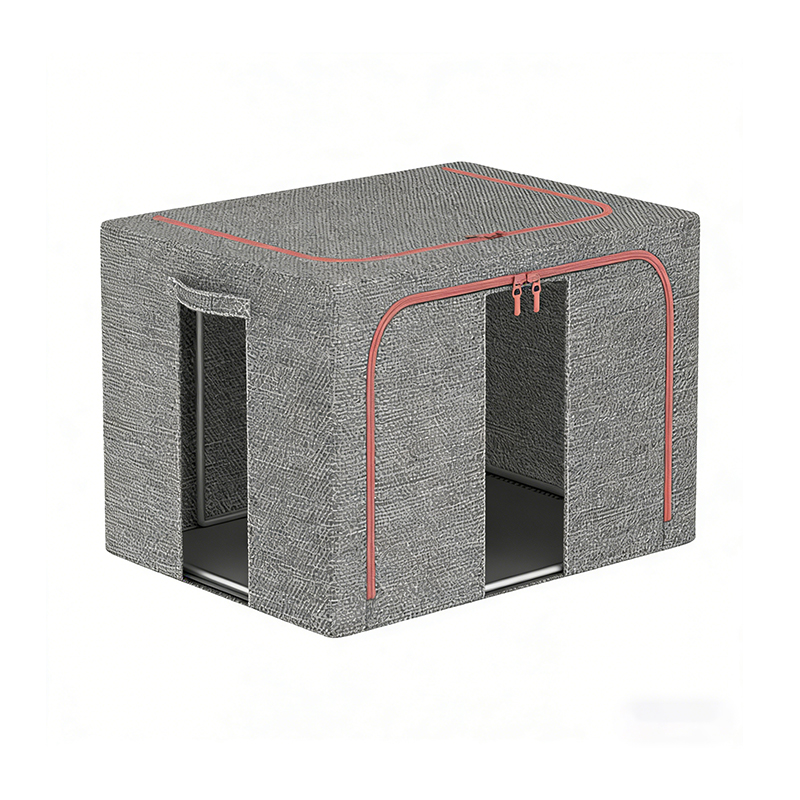
Woven fabrics, non-woven constructions, and coated textiles each provide distinct levels of structure and surface resistance. Some applications favor stiffer sides that hold shape when partially filled; others prefer softer bodies that collapse for compact storage when empty. Reinforced bases and sturdy handles receive attention when baskets will carry heavier or irregularly shaped items.
Fabric storage basket programs often maintain a core set of proven materials while permitting controlled variations in color, pattern, or trim. This approach supports both recurring catalog needs and limited custom runs requested by commercial partners.
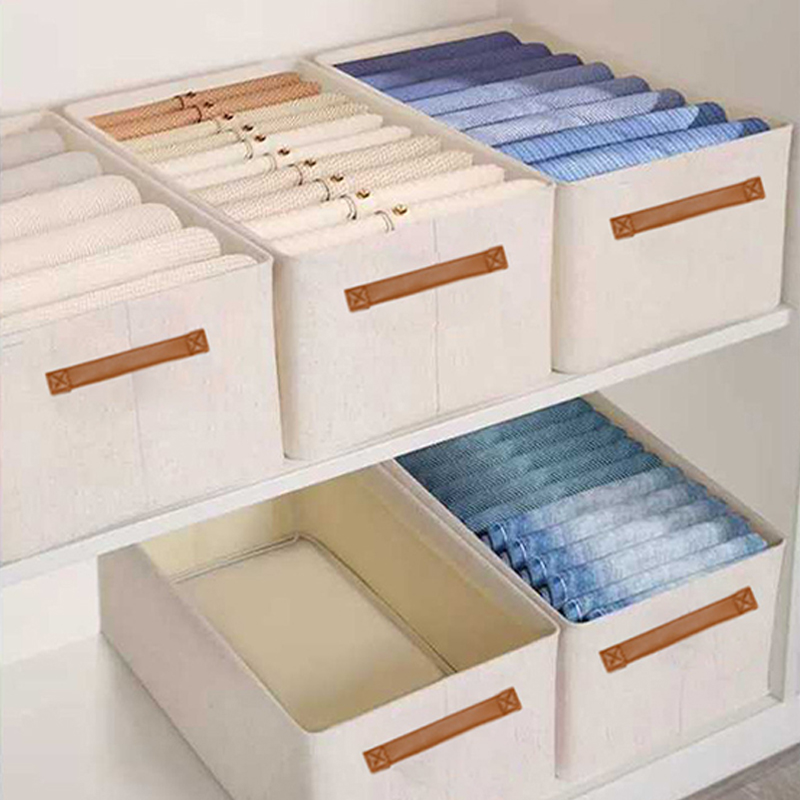
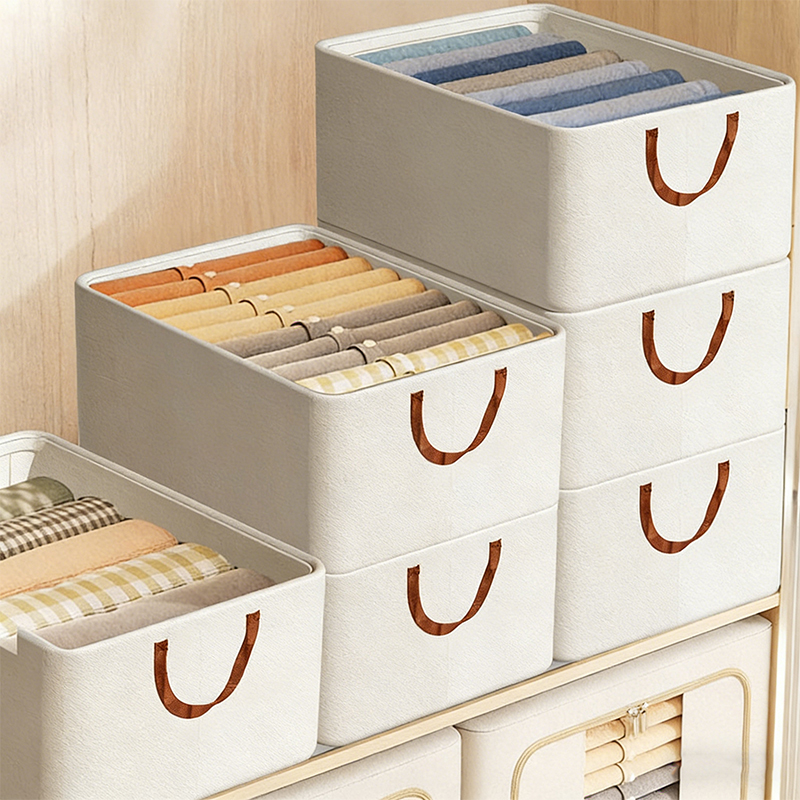
Retail stockrooms and sales floors use these containers to group accessories, folded goods, or seasonal items. Hospitality properties place them in guest areas or back-of-house zones for linens and supplies. Office and institutional settings apply them for document sorting or equipment organization.
A Fabric storage basket supplier organizes its range so that proven sizes and constructions can be adapted for different volume requirements. Consistent dimensions across batches matter when baskets must align with existing racking or display systems already installed on site.
Handle placement, rim stiffness, and base stability influence daily usability. Reinforced stitching at stress points extends service life under repeated loading. Some designs incorporate interior dividers or label holders that improve sorting efficiency for staff.
These elements are refined through sample evaluation rather than assumed from generic patterns. Feedback from facility managers or retail operations teams guides adjustments that improve function without complicating production.
Larger commercial programs require successive deliveries that match the approved standard in size, color, and construction. Fabric lots, sewing tolerances, and finishing steps are monitored so that later shipments align with the first. When a buyer expands a successful style into additional sizes or colors, the existing technical package shortens the path to fulfillment.
Documentation covering dimensions, material composition, and packing configurations travels with each order. Receiving teams can verify shipments against clear criteria, simplifying intake into distribution or storage areas.
Successful programs rely on accurate data exchange. Details about fabric weight, recommended load ranges, and folding characteristics help product teams prepare their own catalogs and training materials. Visual references and physical samples support internal reviews and purchasing decisions.
Fabric storage basket development stays focused on measurable attributes—structural integrity, dimensional stability, and handling ease. This practical approach gives commercial partners concrete information they can use when building organized storage systems for their operations.
A Fabric storage basket functions as a flexible organizational tool within broader commercial and institutional setups. By concentrating on material performance, design compatibility, and reliable supply characteristics, manufacturers assist buyers in creating efficient storage solutions. The work addresses the practical requirements that keep goods accessible and spaces orderly across retail, hospitality, and workplace environments.
 Quick View
 Quick View
 Quick View
 Quick View
 Quick View
 Quick View
 Quick View
 Quick View

Foldable Storage Bin Maker
Contact Us
 No. 15, Hetian Road, Shangxi Town, Yiwu City, Zhejiang Province
Mobile