

 English
 中文简体
中文简体 Español
 Deutsch



Foldable Storage Bin Maker


2026-09-25
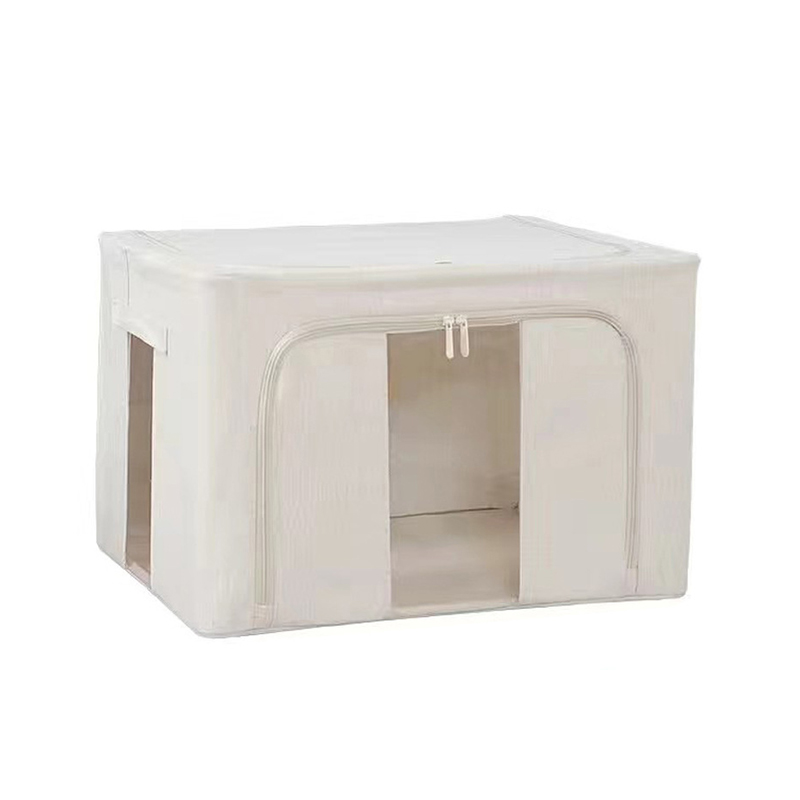
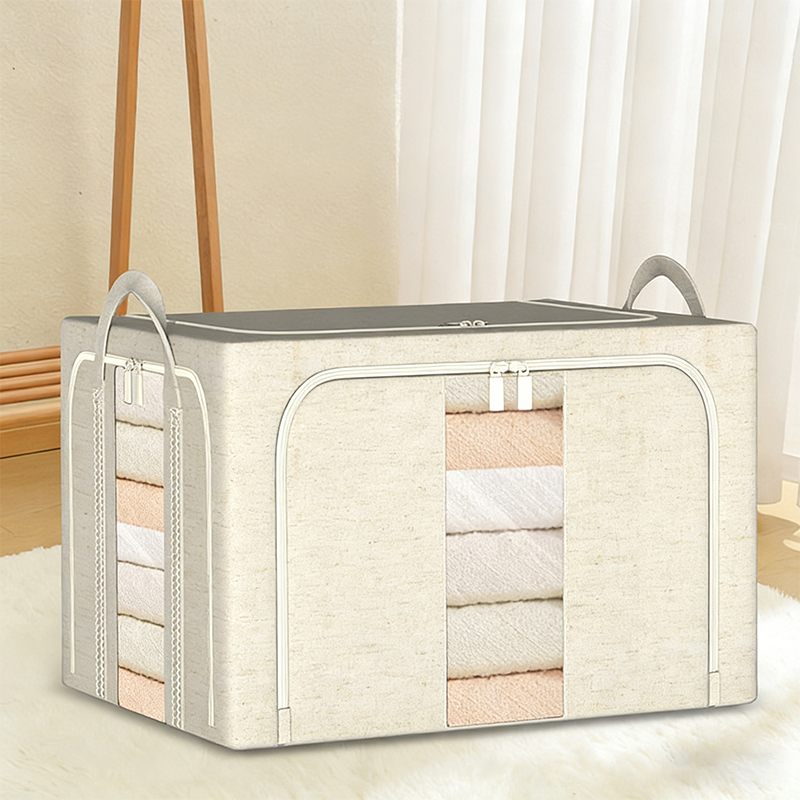
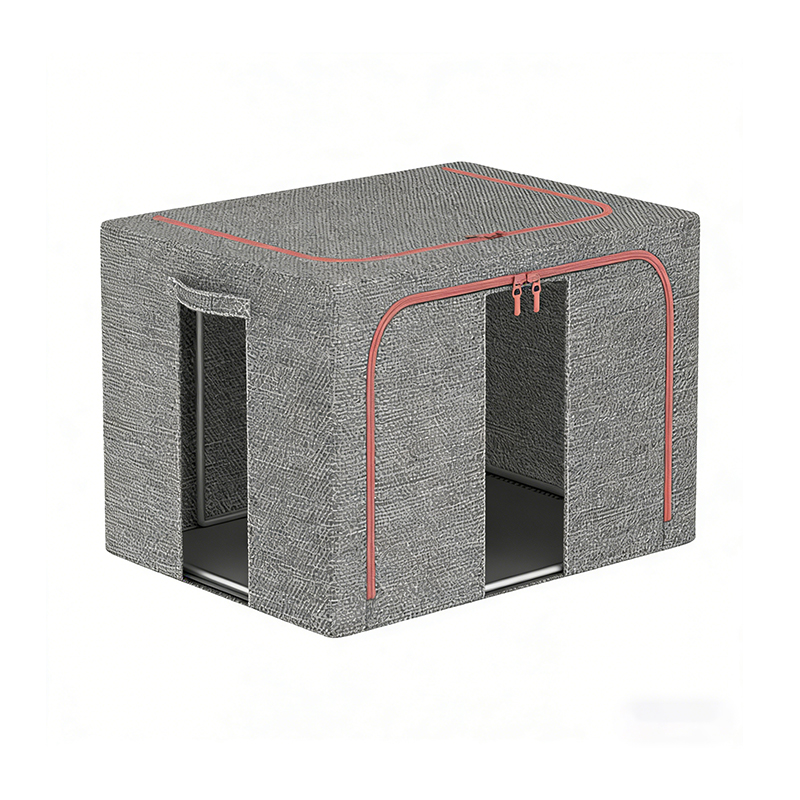
A plain plastic storage bin typically handles moderate weight well when sitting alone, but stacking multiple bins compounds the pressure on the bottom unit fast. A storage box with steel frame reinforcement spreads that load differently, since the frame carries a share of the vertical pressure instead of leaving the plastic walls to absorb everything on their own.
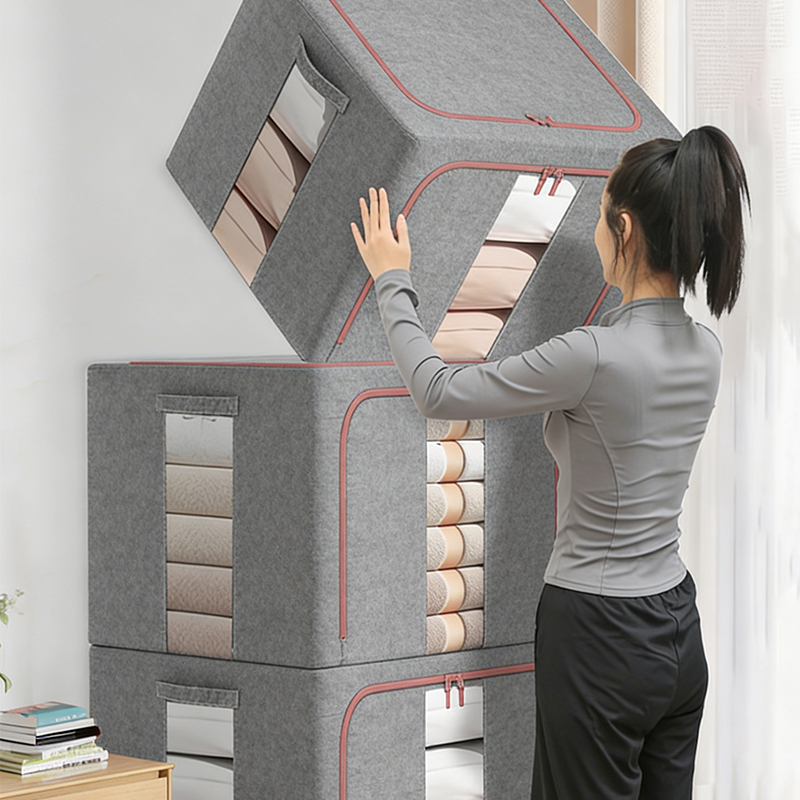
This matters most in stacking scenarios where boxes sit three, four, or more units high for extended periods. Corner posts built into the steel frame typically bear the brunt of that compression, which is why frame design at the corners tends to get more engineering attention than the frame running along flat panel edges. A well-designed storage box with steel frame construction distributes weight evenly enough that lower units in a stack don't show visible deformation even after months of continuous use.
Steel frames on these storage containers usually fall into a few categories depending on intended use and budget:
Welded frames tend to offer more rigidity overall since there are no connection points that can loosen over time, while bolted frames give buyers the option to swap out a damaged frame section without replacing the entire container. A storage box with steel frame built using bolted connections also tends to ship flat-packed more easily, which can matter for buyers managing freight costs on large orders.
One practical advantage of a storage box with steel frame design is how reliably it stacks compared to a flexible plastic-only container. Plastic bins without reinforcement sometimes bow slightly under load, which throws off alignment when stacking multiple units and can make a stack less stable over time. The rigid frame keeps corners square, so stacked units sit flush against each other consistently.
That consistency matters more than it might seem in a busy warehouse aisle. A slightly warped bin at the bottom of a stack can throw off the alignment of everything above it, creating a lean that gets worse as more units get added. A storage box with steel frame construction resists that kind of gradual misalignment, keeping stacks straighter and reducing the chance of a stack shifting unexpectedly during retrieval or restocking.
Steel gauge — essentially how thick the frame material is — varies depending on how much weight the container needs to handle. Lighter gauge frames work fine for bins storing smaller parts, packaging materials, or lightweight inventory, keeping the overall container weight down for easier handling. Heavier gauge frames suit bins holding metal stock, machine parts, or anything with substantial density.
Buyers sourcing a storage box with steel frame for a specific application usually start by estimating the maximum stacked weight the bottom unit in a stack will need to support, then work backward to determine what frame gauge handles that load with a reasonable safety margin. Getting this matched correctly upfront avoids the situation where a container performs fine individually but starts showing stress once it's part of a multi-unit stack under daily warehouse conditions.
 Quick View
 Quick View
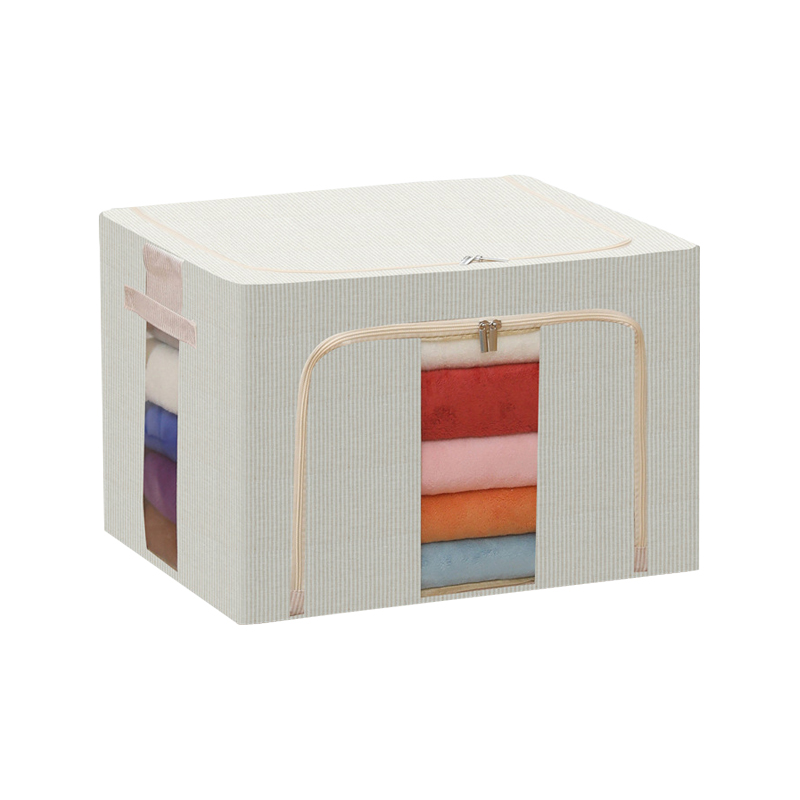
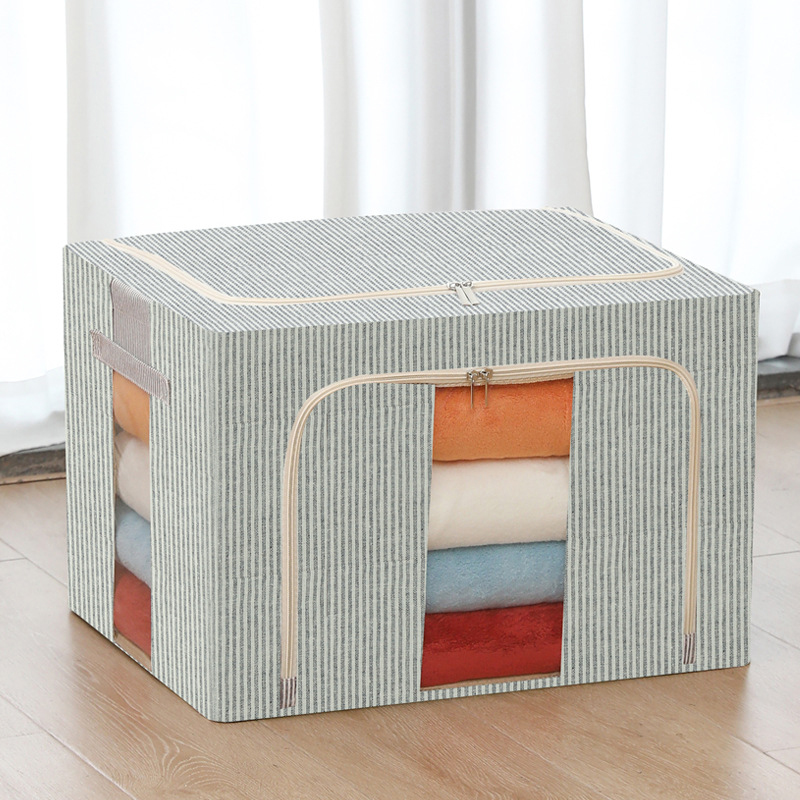 Quick View
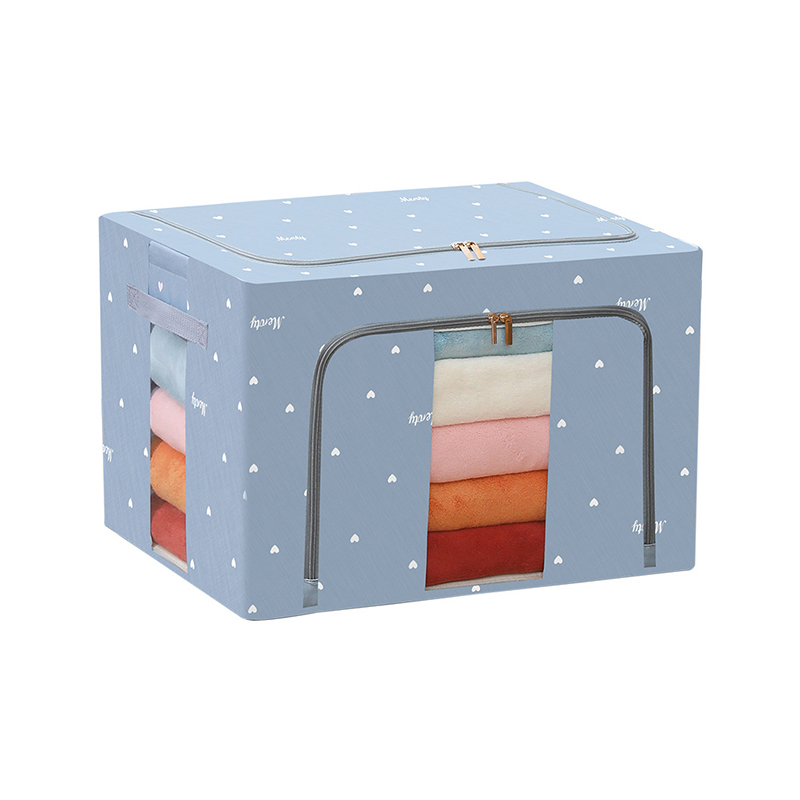
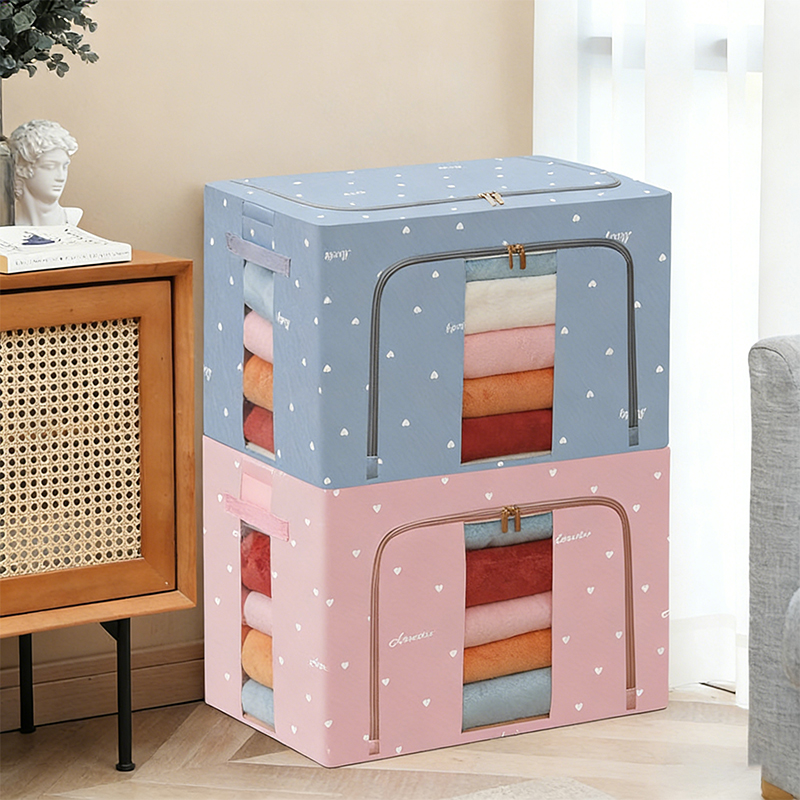 Quick View
 Quick View
 Quick View
 Quick View
 Quick View
Foldable Storage Bin Maker
Contact Us
 No. 15, Hetian Road, Shangxi Town, Yiwu City, Zhejiang Province
Mobile