

 English
 中文简体
中文简体 Español
 Deutsch



Foldable Storage Bin Maker


2026-08-14
Traditional pre-assembled boxes take up a fixed amount of room whether they're full or empty. Stack a hundred of them in a storage room and they eat up shelf space just sitting there. A foldable shipping box collapses flat, which means the same hundred units can be stored in a fraction of the footprint. For smaller operations working out of tight storage areas, or larger distribution centers trying to squeeze more inventory into existing racks, that space savings adds up quickly.
This becomes especially noticeable for businesses that order packaging in bulk. Shipping and storing flat-packed boxes rather than pre-formed ones also tends to reduce how much room a shipment of packaging materials takes up before it even reaches the warehouse.
Most designs rely on scored fold lines and interlocking tabs rather than tape or glue to hold their shape once assembled. A few common approaches show up across different product lines:
The specific mechanism a foldable shipping box uses often depends on what it's meant to carry. Lightweight items call for simpler fold patterns, while boxes meant for heavier or bulkier goods tend to use thicker board stock paired with sturdier locking corners to keep their shape under load.
Speed matters on a packing line, and this is where a foldable shipping box tends to stand out. Workers can grab a flat piece, pop it into shape in a couple of seconds, and move straight into packing, rather than dealing with pre-glued boxes that still need taping or reinforcing before use. For operations processing large volumes of daily orders, shaving even a few seconds off each box assembly step can noticeably change overall packing throughput by the end of a shift.
Some facilities pair foldable boxes with semi-automated forming equipment, where machines handle the fold-and-lock process at a faster pace than manual assembly. Others stick with manual folding, particularly for smaller order volumes or businesses handling a wider mix of box sizes that don't justify dedicated machinery.
Not every foldable shipping box is built the same way, and matching the right style to the right product matters. Flatter, wider designs suit apparel, textiles, or soft goods that don't need much internal support. Deeper, reinforced designs work better for items with more weight or irregular shapes, where the box needs to hold its form under pressure from stacking or transit handling.
Buyers sourcing these boxes for e-commerce fulfillment, retail distribution, or general logistics often compare wall thickness, fold pattern, and locking style side by side, since these details shape how the box performs once it's loaded, stacked, and moved through a supply chain. A foldable shipping box that folds easily but loses its shape under stacked weight isn't much help on a loading dock, so getting that balance right during selection tends to matter more than the folding convenience alone.
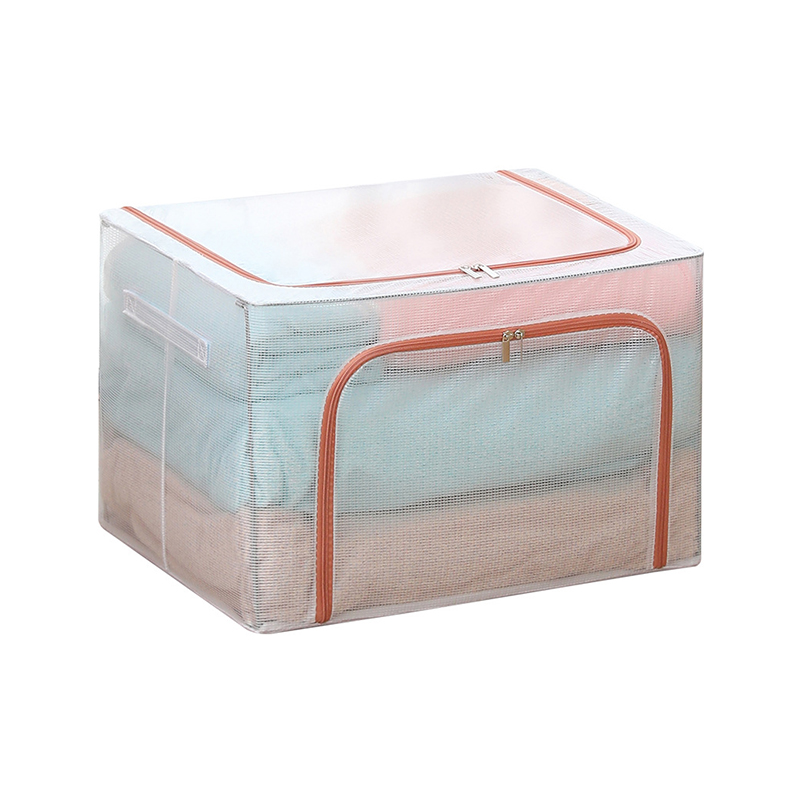
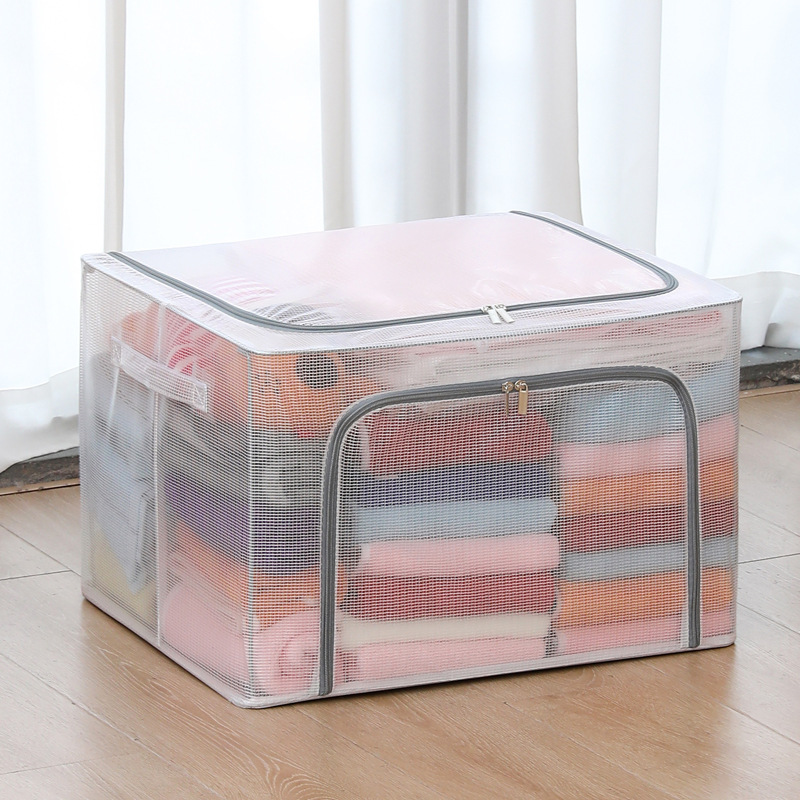 Quick View
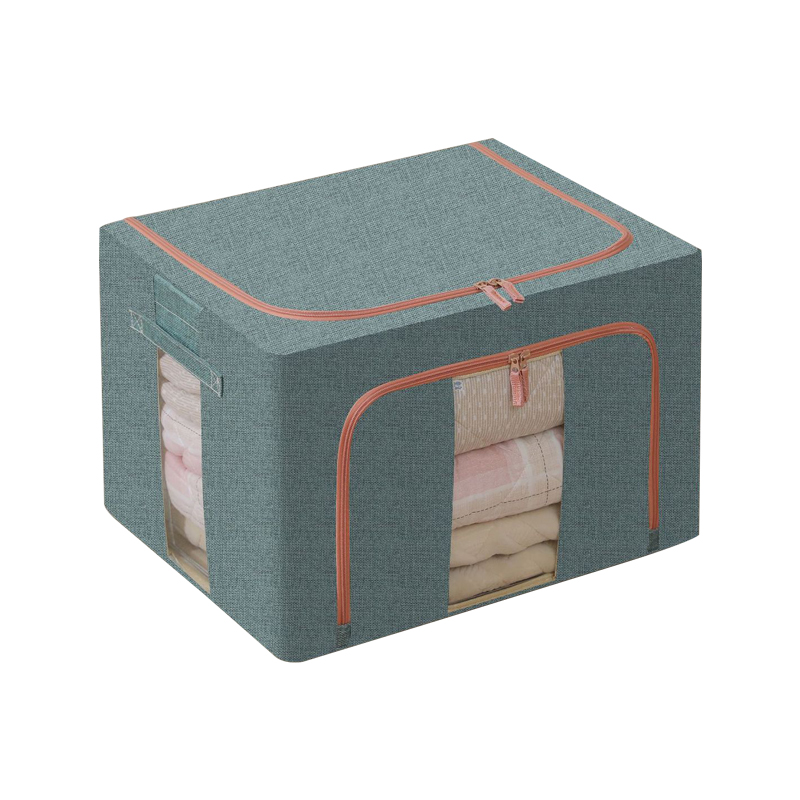
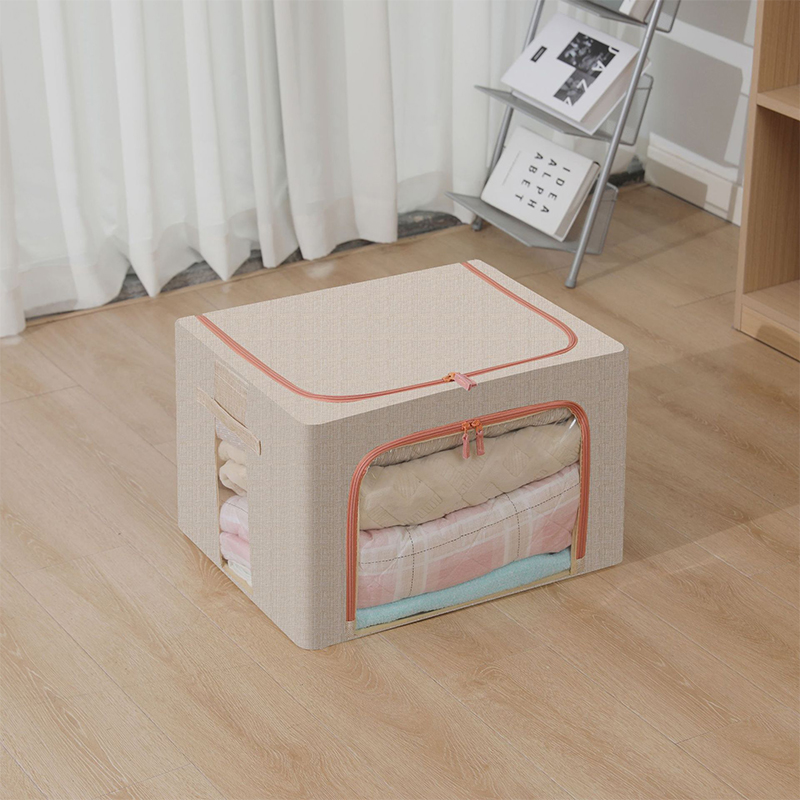 Quick View
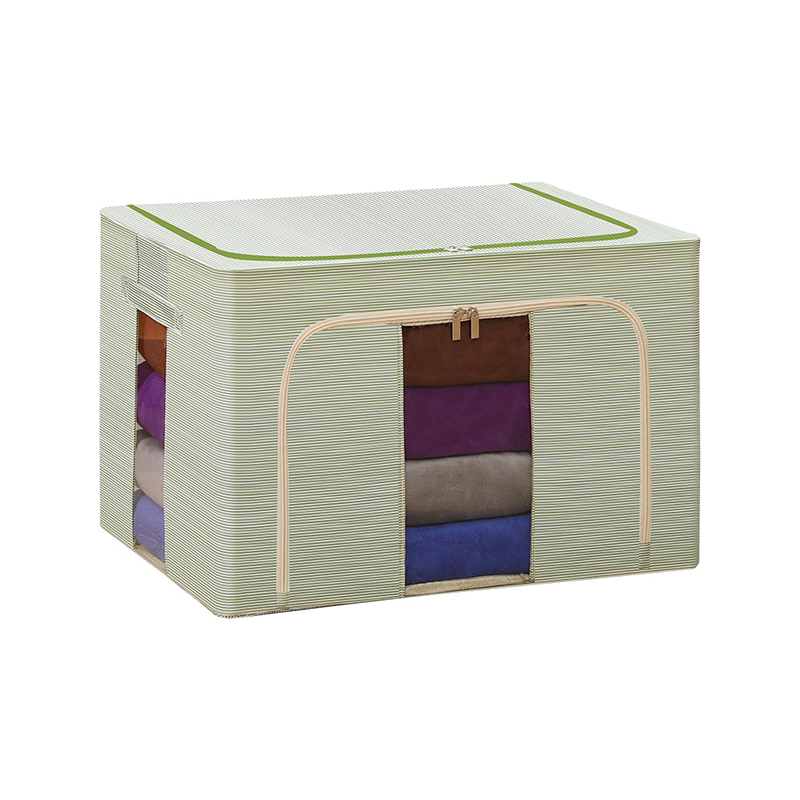
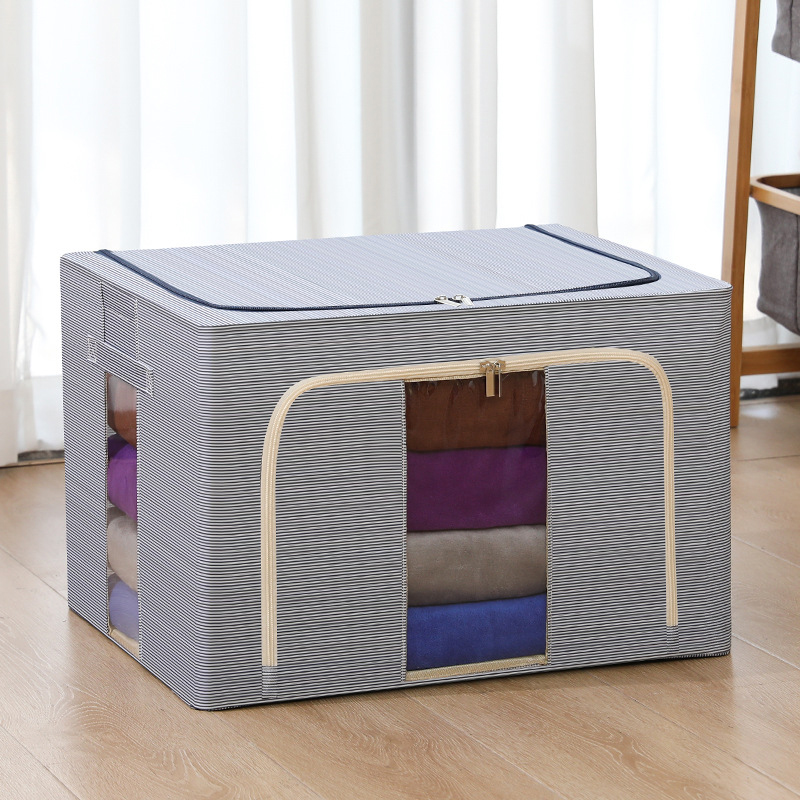 Quick View
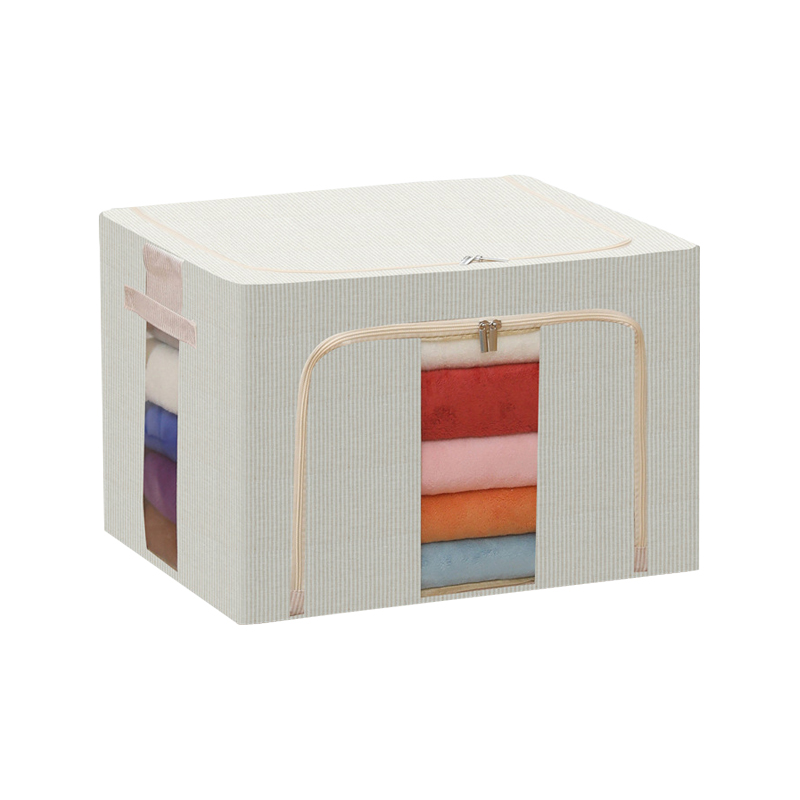
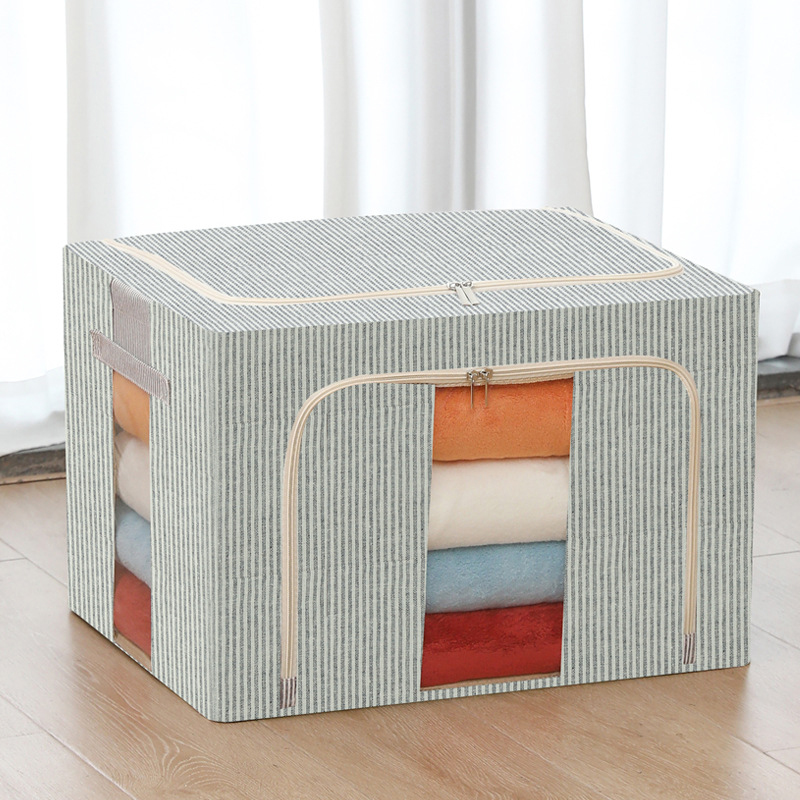 Quick View
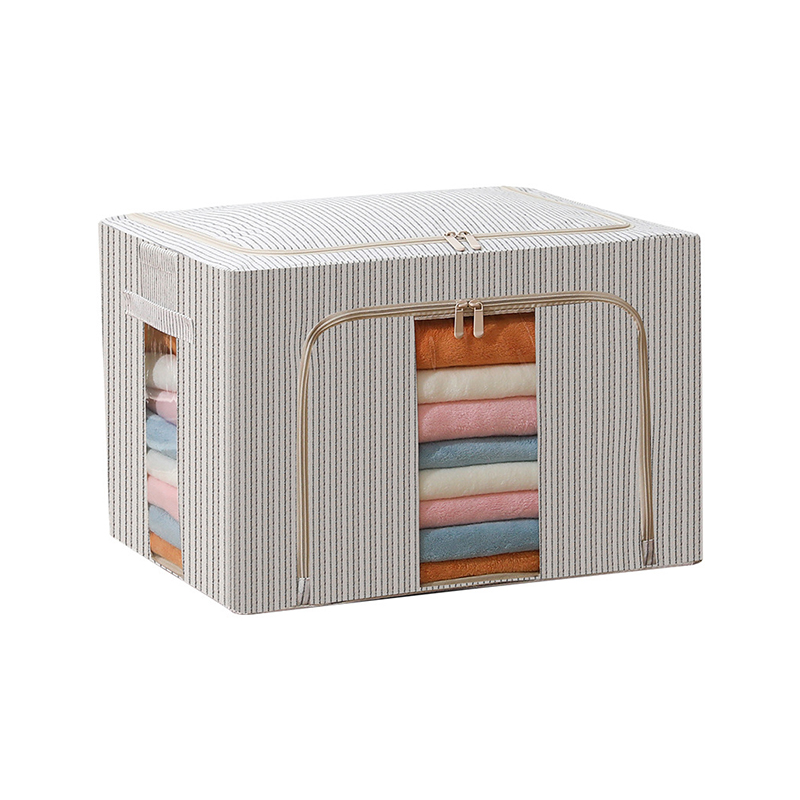
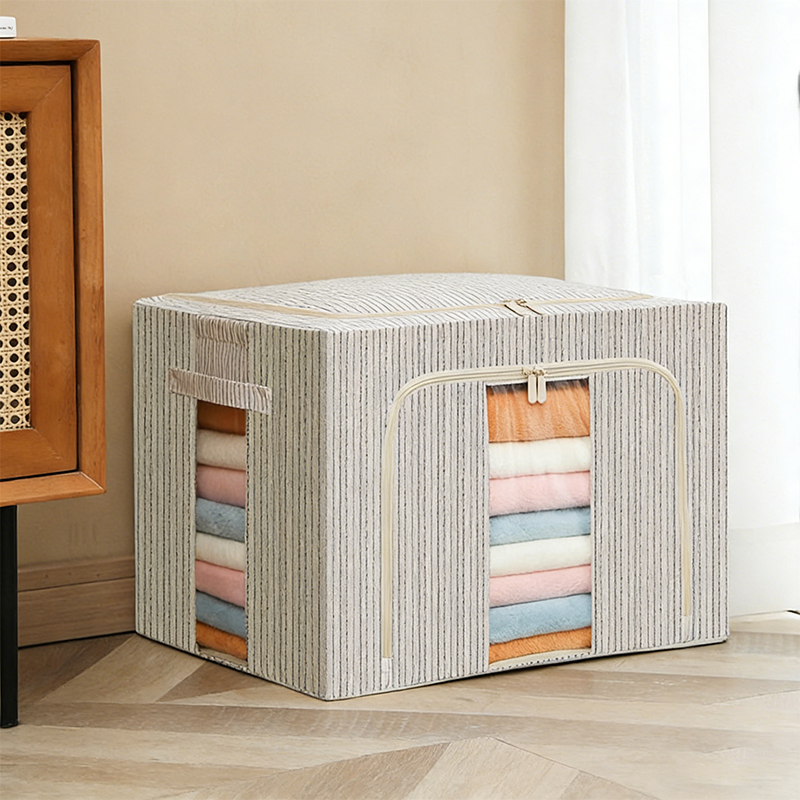 Quick View
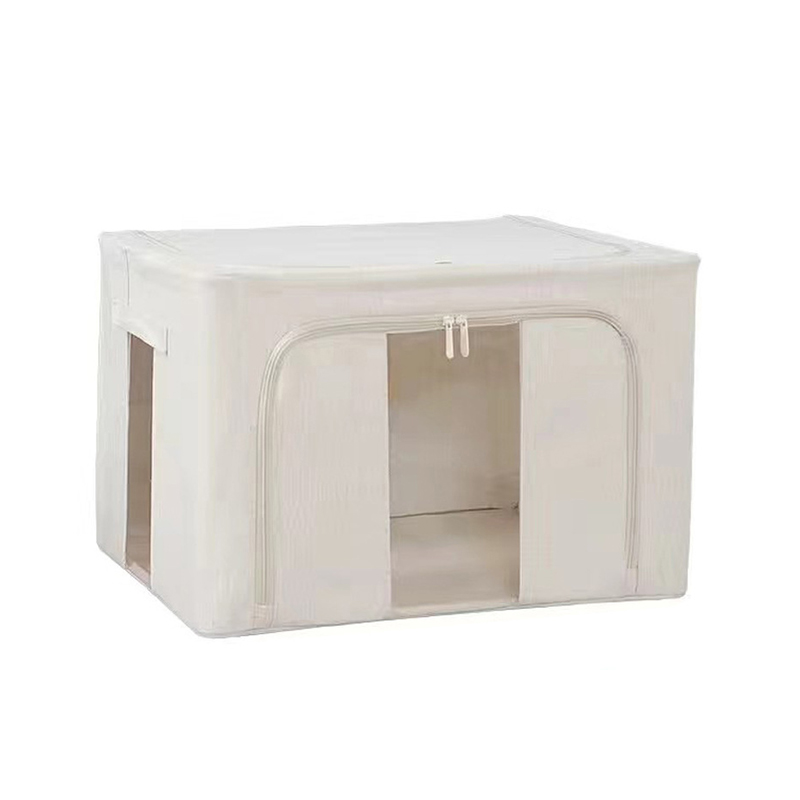
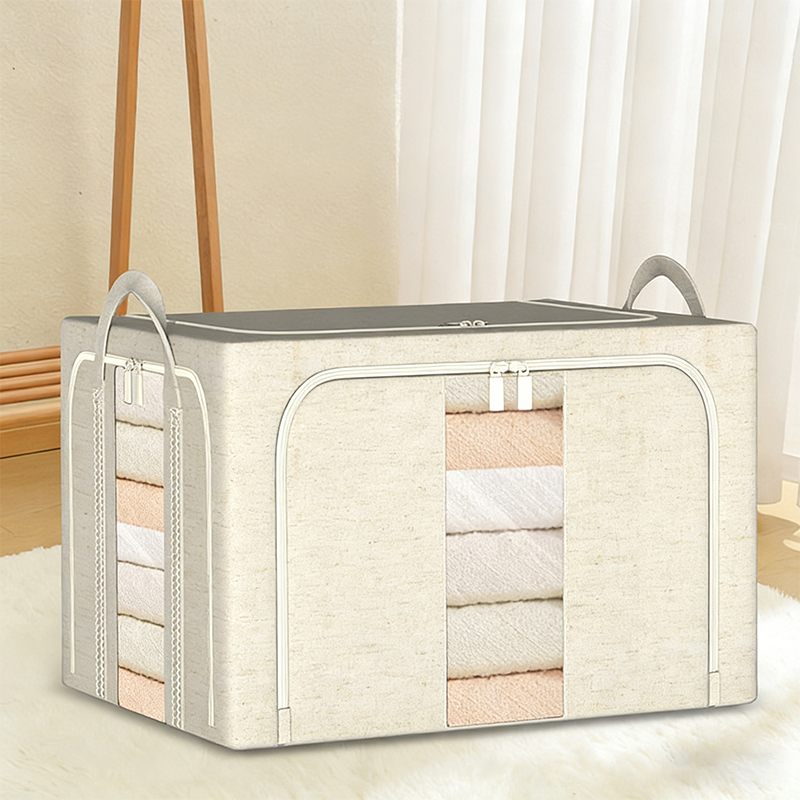 Quick View
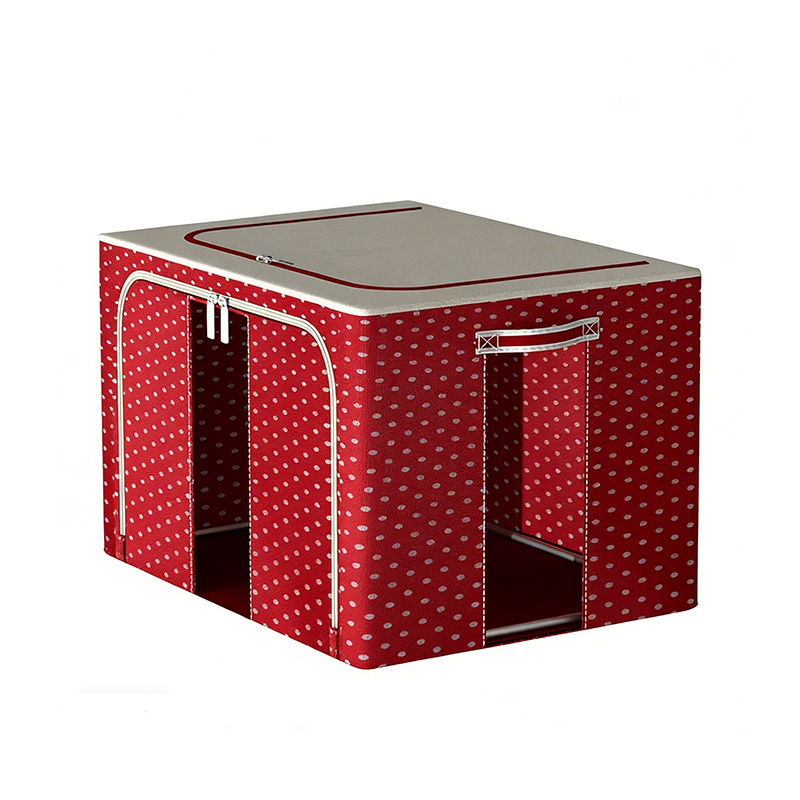
 Quick View
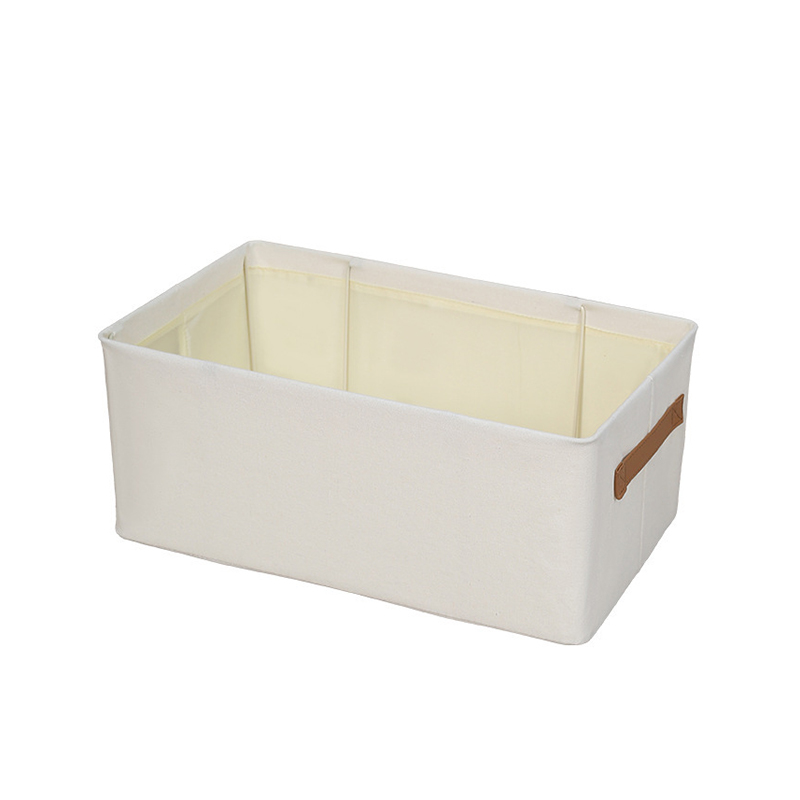
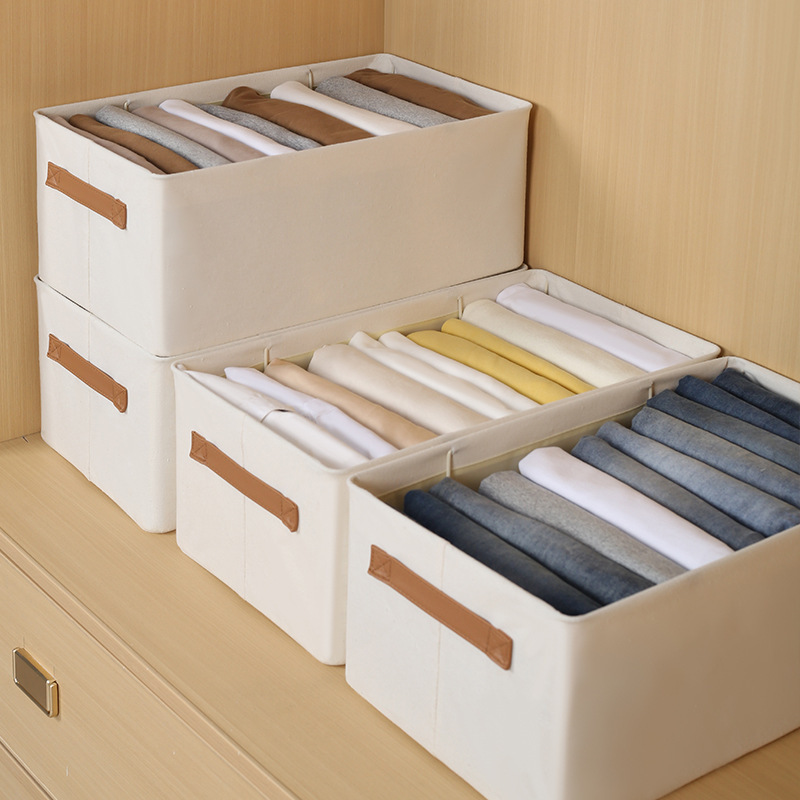 Quick View

Foldable Storage Bin Maker
Contact Us
 No. 15, Hetian Road, Shangxi Town, Yiwu City, Zhejiang Province
Mobile