

 English
 中文简体
中文简体 Español
 Deutsch



Foldable Storage Bin Maker


2026-08-21
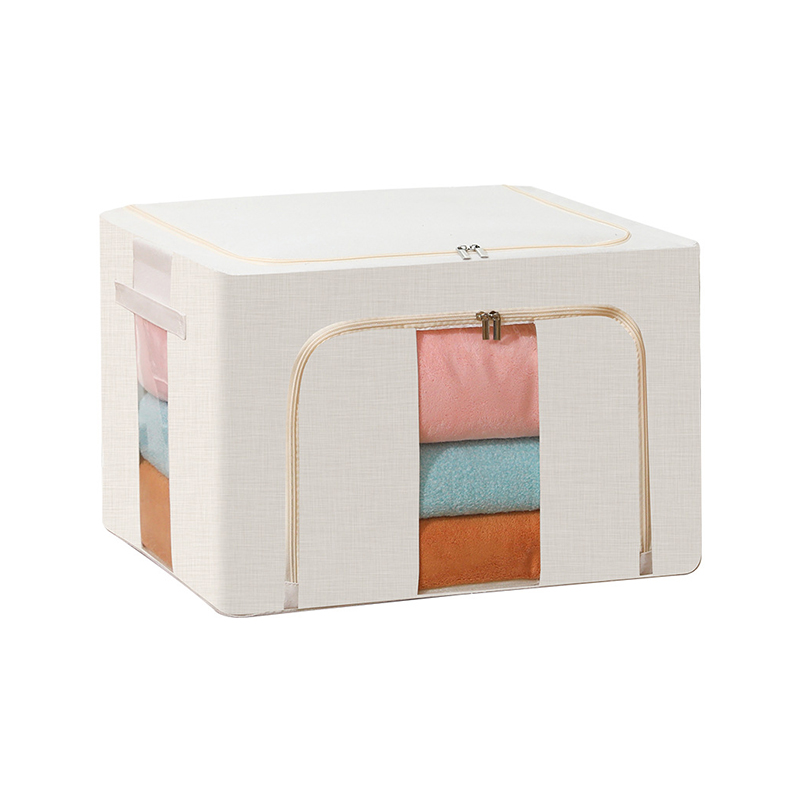
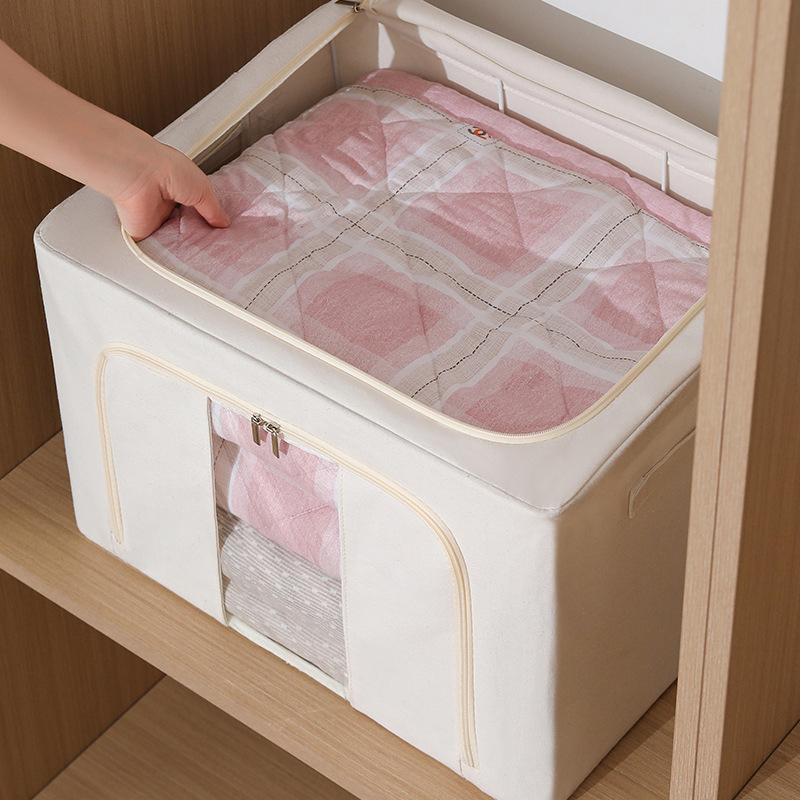
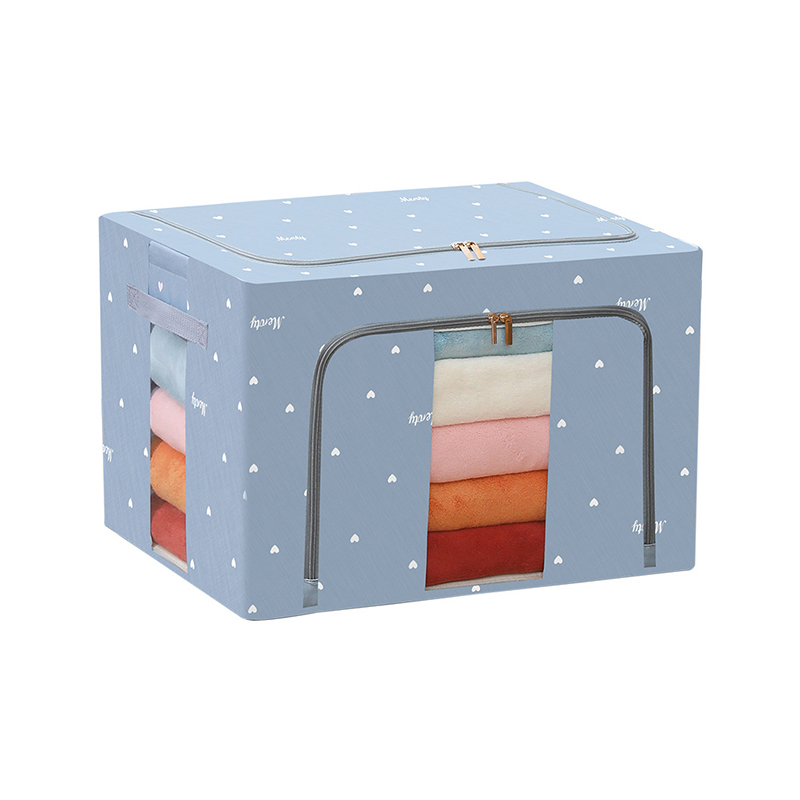
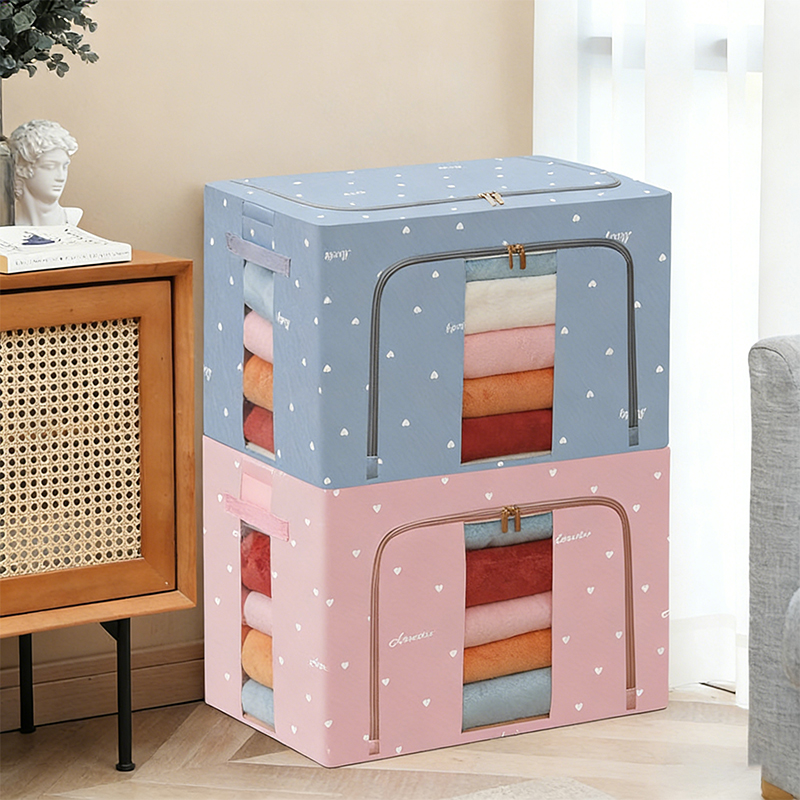
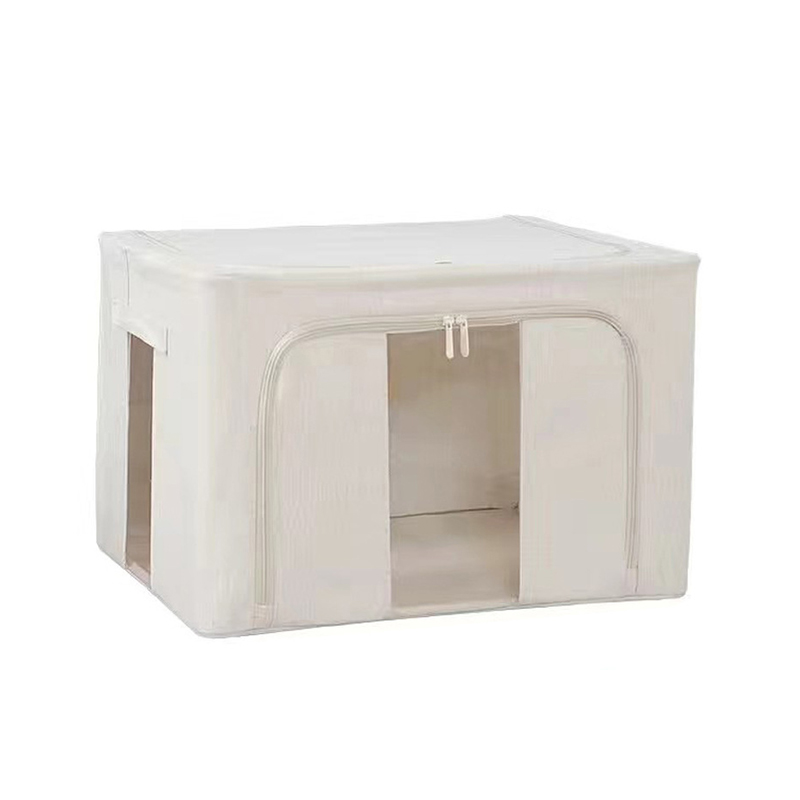
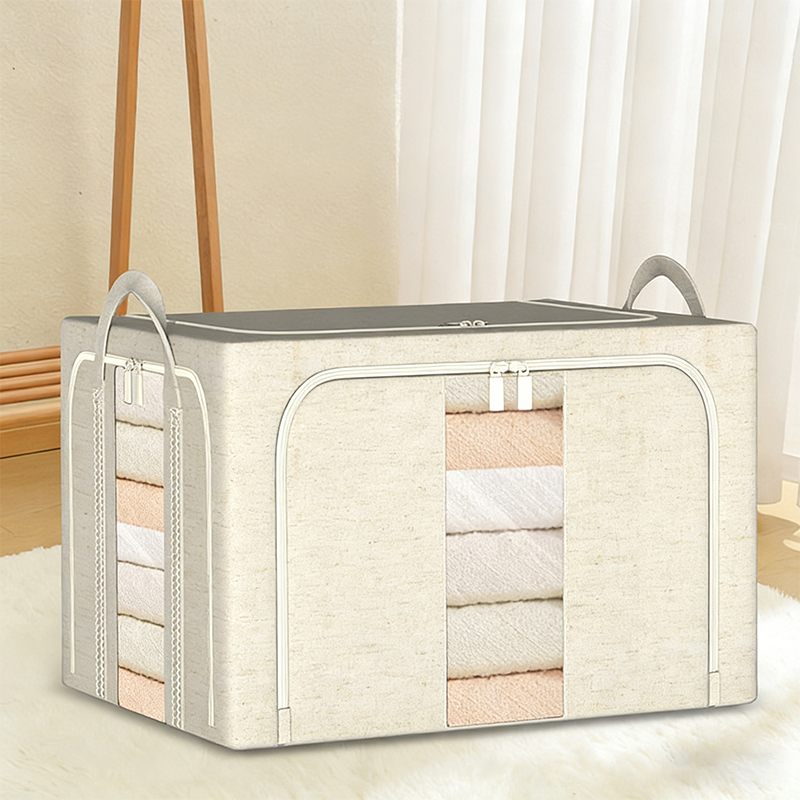
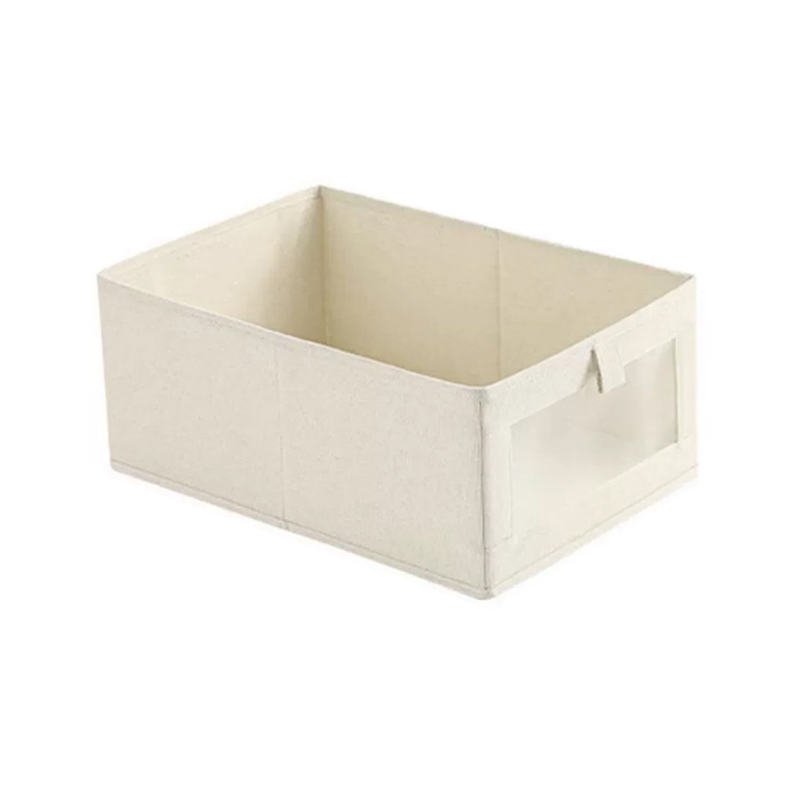
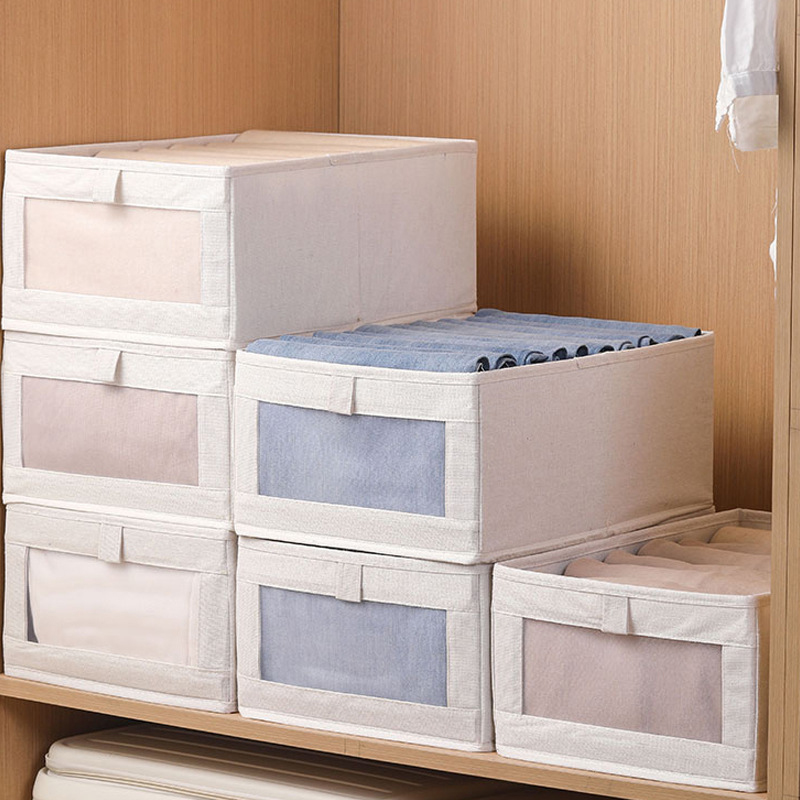
What separates foldable fabric storage from a plain cloth bin is the frame hidden inside the fabric shell. Most designs use a folding wire or plastic support structure sewn into the sides, letting the container hold its shape when in use and fold flat when it isn't. Buyers sourcing this category tend to ask early on what frame material a supplier uses, since wire frames generally hold a squarer shape under load while lighter plastic inserts keep unit weight down for shipping.
Fabric weight and weave also factor into how a bin performs once it's loaded. A thin, loosely woven fabric might fold flatter, but it can sag once filled with heavier items like folded sweaters or toys. Suppliers producing foldable fabric storage for retail accounts often offer a few fabric grades within the same shape lineup, letting a buyer choose between a lighter economy option and a heavier-duty version depending on the intended use case.
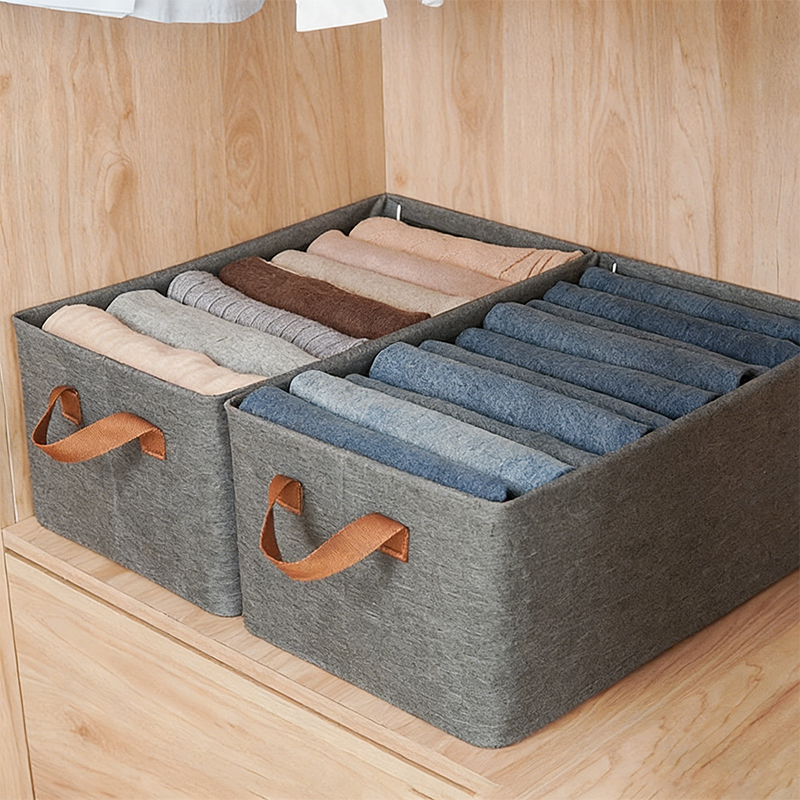
Retail buyers rarely order a single size when sourcing foldable fabric storage. Closet organization systems, nursery shelving, and toy storage each call for different proportions, so a typical wholesale order covers several sizes within one visual line so the products look cohesive on a shelf together. Recurring shape and size requests include:
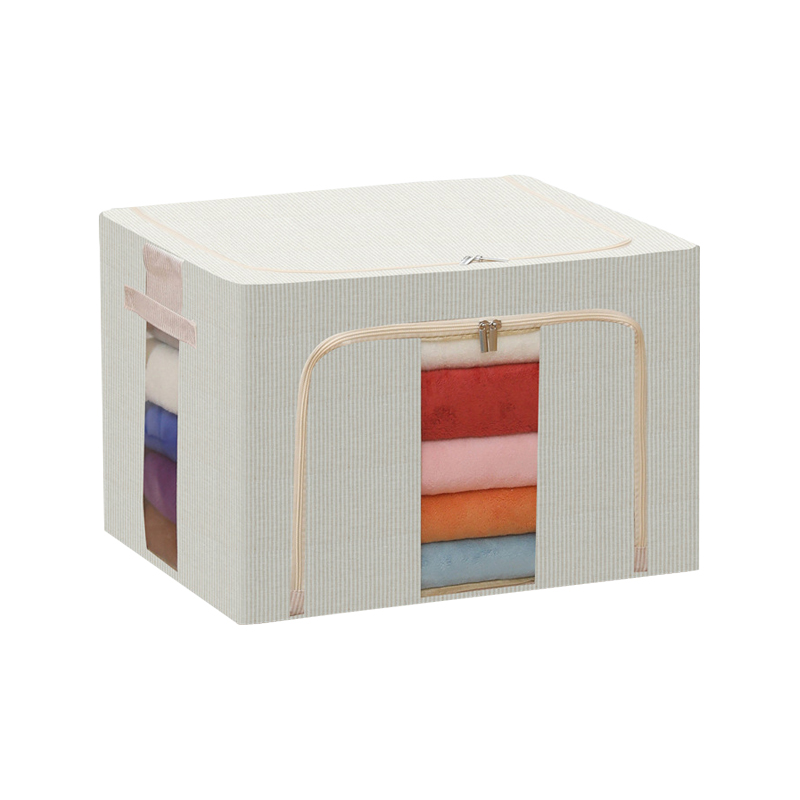
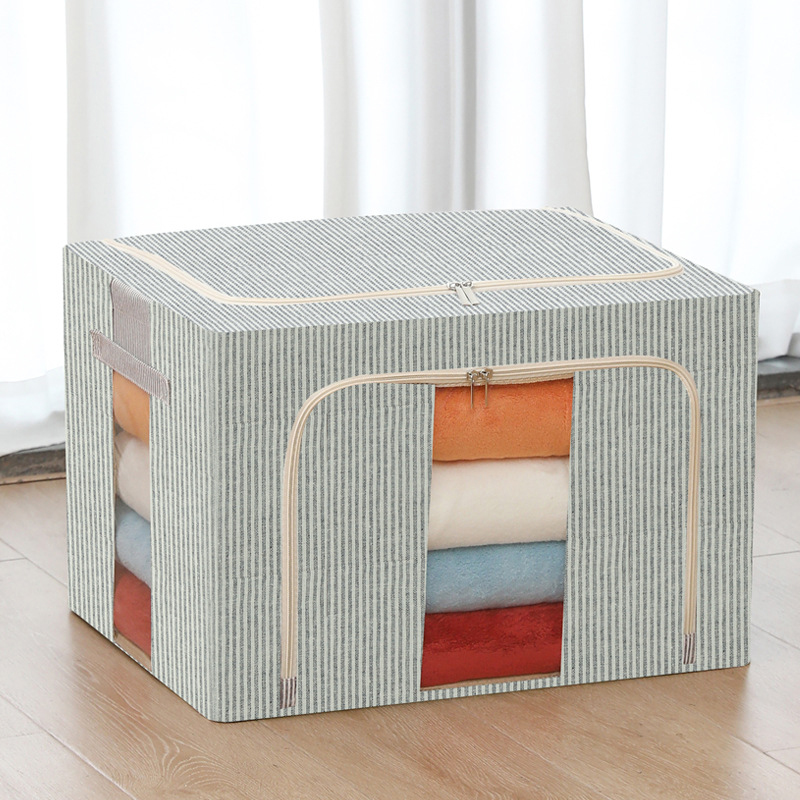
Because these bins get grouped visually on store shelves, color and pattern consistency across a size range matters almost as much as the construction itself. A retailer stocking a full line wants the small cube and the large rectangular bin to look like they belong to the same set, even if they're used for entirely different purposes at home.
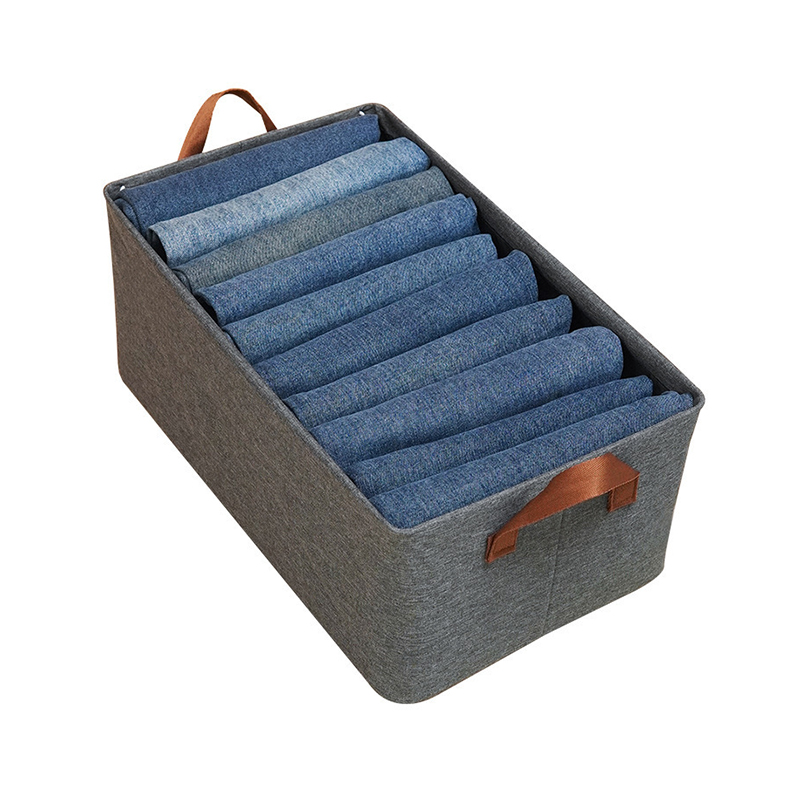
Handles seem like a minor detail until a buyer starts comparing samples from different factories. Cutout handles sewn directly into the fabric keep costs down and add no extra hardware, while reinforced fabric loop handles hold up better under repeated lifting, particularly on larger bins meant to carry heavier loads. Some foldable fabric storage lines skip handles entirely in favor of open-top designs meant to sit flush on a shelf rather than be carried around.
Closure style is another spec that varies more than it might seem to at first glance. Open-top bins dominate the closet and shelving segment, while bins marketed for under-bed or seasonal storage often include a zippered or flap-style lid to keep dust out during longer storage periods. A few sourcing details that come up consistently when buyers compare suppliers include:
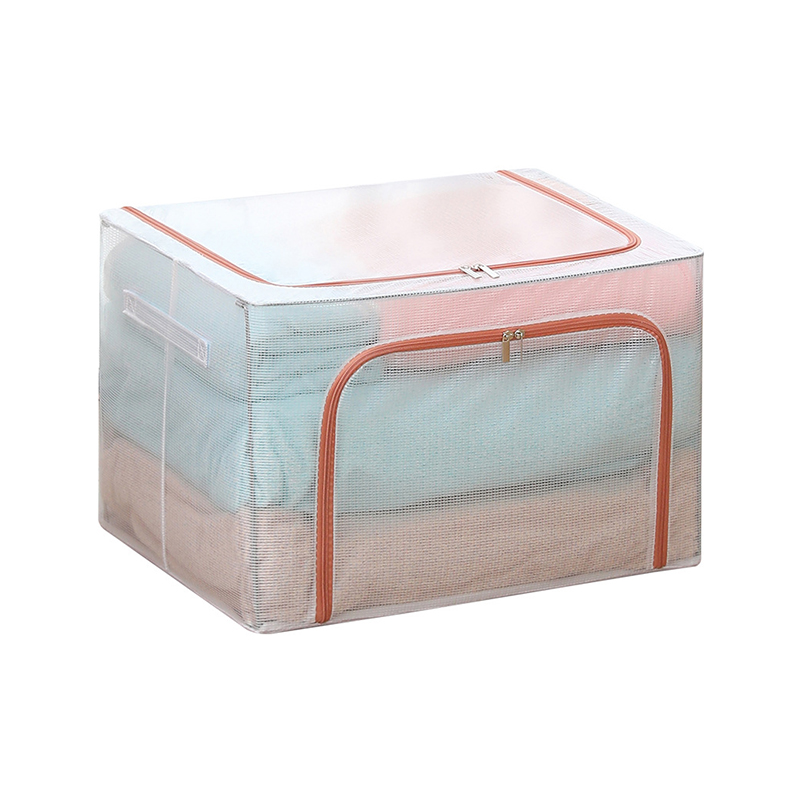
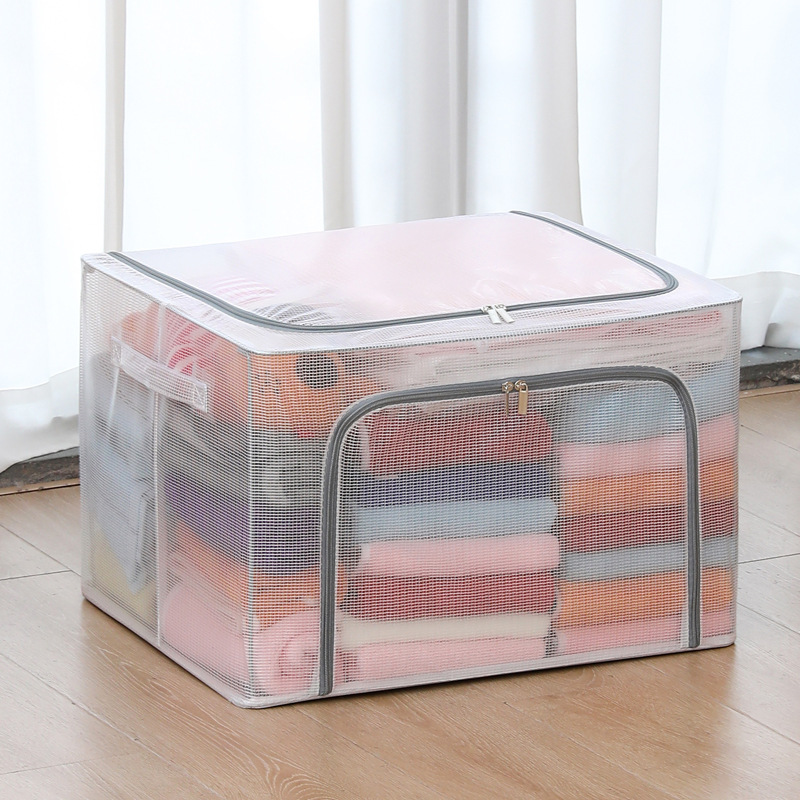 Quick View
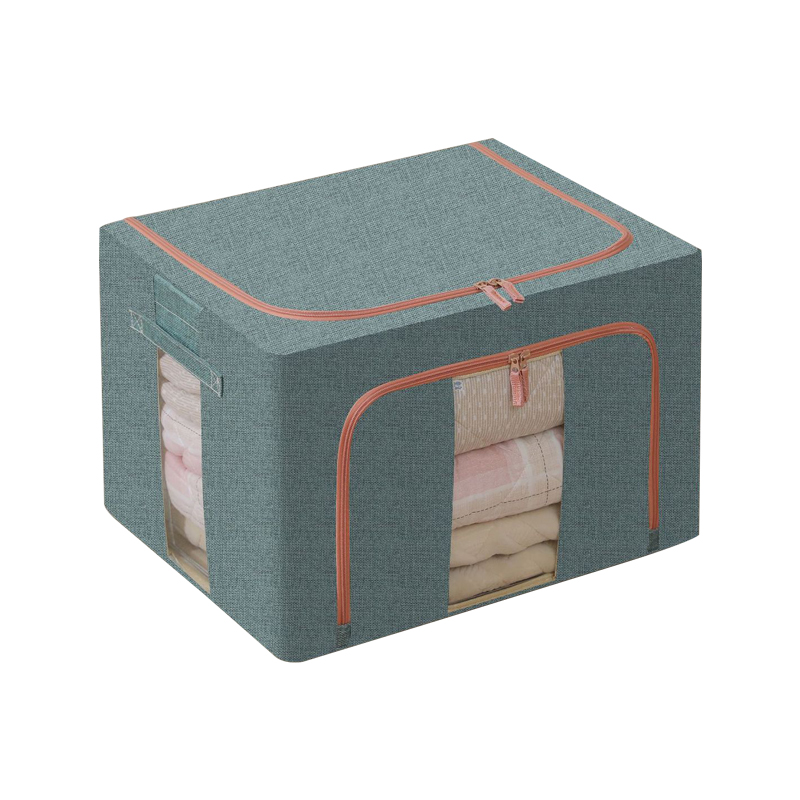
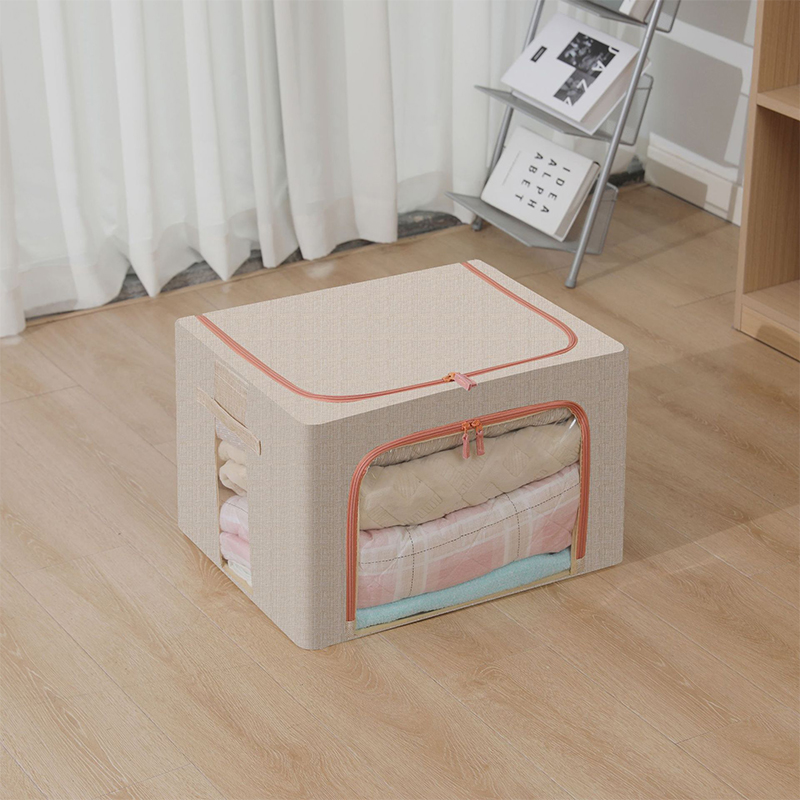 Quick View
 Quick View
 Quick View
 Quick View
 Quick View
 Quick View
 Quick View
Foldable Storage Bin Maker
Contact Us
 No. 15, Hetian Road, Shangxi Town, Yiwu City, Zhejiang Province
Mobile