

 English
 中文简体
中文简体 Español
 Deutsch



Foldable Storage Bin Maker


2026-08-28
Polyethylene frames form the structural backbone of many compact and industrial storage systems. A PE fram storage organizer typically combines molded polyethylene elements with supporting members to create compartments, shelves, or stacking units that hold tools, hardware, pipes, or small components in workshops and production areas.
Polyethylene, often in high-density form, offers a balance of rigidity and toughness. The polymer resists many common chemicals found in manufacturing environments and absorbs impact without cracking under normal handling. Because the material density remains relatively low, the overall unit stays manageable for repositioning while still supporting distributed loads across its surfaces.
Injection-molded or extruded PE sections create consistent wall thicknesses and smooth edges. These sections can incorporate ribs or internal webs that increase stiffness without adding significant mass. The same material accepts molded-in features such as slots, tabs, or interlocking edges that simplify assembly of multi-level units.
In a typical PE fram storage organizer the vertical members and horizontal cross-pieces form a rectangular or modular grid. Side panels or baffles limit lateral movement of stored items, while base platforms or trays distribute weight to the floor or lower levels. Limiting pedestals or grooves sometimes appear on the upper surfaces so that additional frames can stack securely, converting floor space into vertical capacity.
For pipe or tube storage the frame may include longitudinal beams with side posts and diagonal bracing. These elements create defined bays that keep long materials aligned and prevent rolling. Rubber or polymer pads on contact surfaces reduce abrasion between the frame and the stored product during loading and unloading.
Smaller organizers often feature individual drawers or open bins sized for screws, fittings, or electronic parts. Clear or translucent PE allows visual identification of contents without opening every section. Larger units incorporate open shelves or removable trays that slide or lift free for transport to a workbench. Stackable designs interlock at the corners or along the perimeter so that multiple units form a stable column while still permitting access to lower levels.
Mounting provisions vary. Some frames stand freestanding with wide bases for stability. Others accept wall brackets or bolt together side-by-side to form continuous runs. The modular nature of the PE components lets users reconfigure the height or width of the storage array as inventory needs change.
In production settings a PE fram storage organizer may sit on a wheeled base or interface with rail systems. Traveling platforms can carry loaded frames between storage zones and assembly stations. Sensors or simple mechanical stops sometimes confirm that a frame sits correctly before movement begins, reducing the chance of shifted loads.
The smooth surfaces of polyethylene simplify cleaning after exposure to oils or particulates. Because the material does not readily absorb moisture, residual liquids can be wiped away, helping maintain a consistent appearance and function over repeated cycles of use.
Manufacturing tolerances on PE moldings keep mating edges aligned so that stacked or joined units remain square. Heat treatment or controlled cooling after molding stabilizes dimensions against later distortion. Assembly typically relies on snap fits, bolts through pre-formed holes, or interlocking profiles rather than complex welding, which shortens installation time on site.
A PE fram storage organizer therefore functions as a practical intermediate between open floor stacking and permanent fixed racking. Its combination of chemical resistance, impact absorption, and modular geometry supports orderly placement of materials while adapting to the spatial constraints of workshops, warehouses, and production floors.
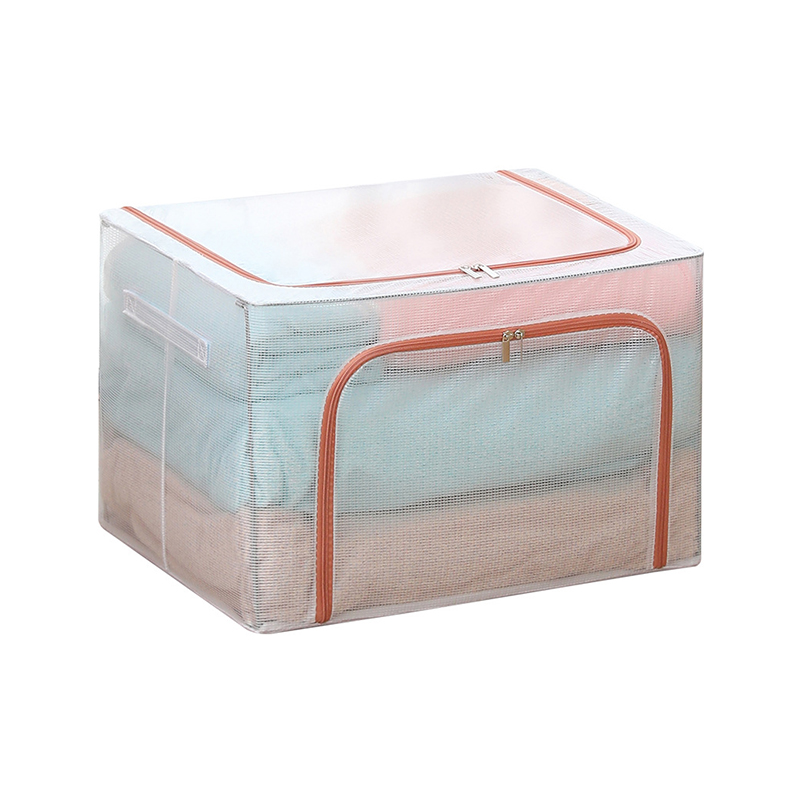
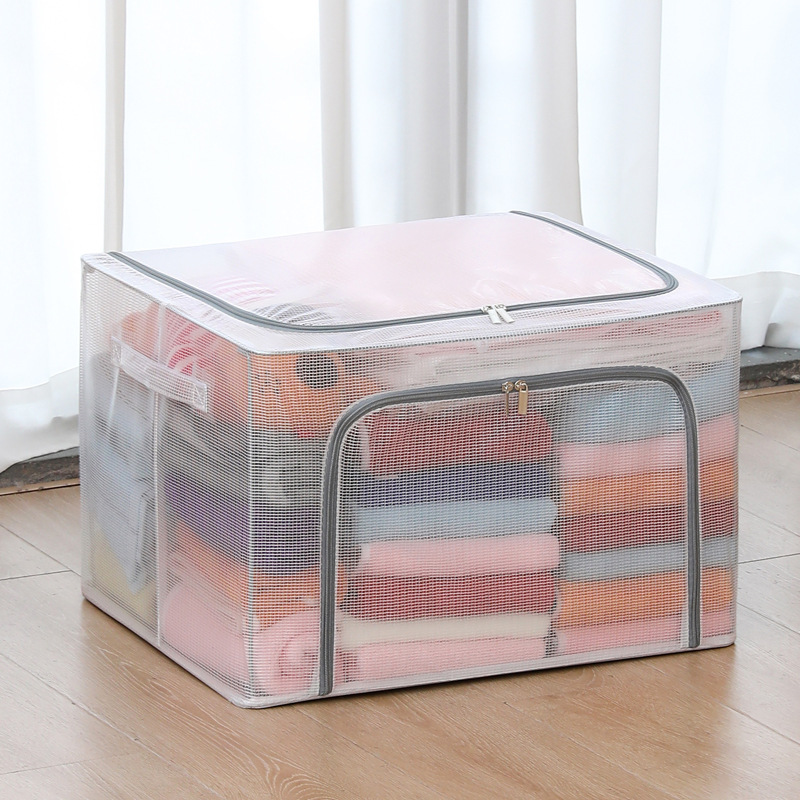 Quick View
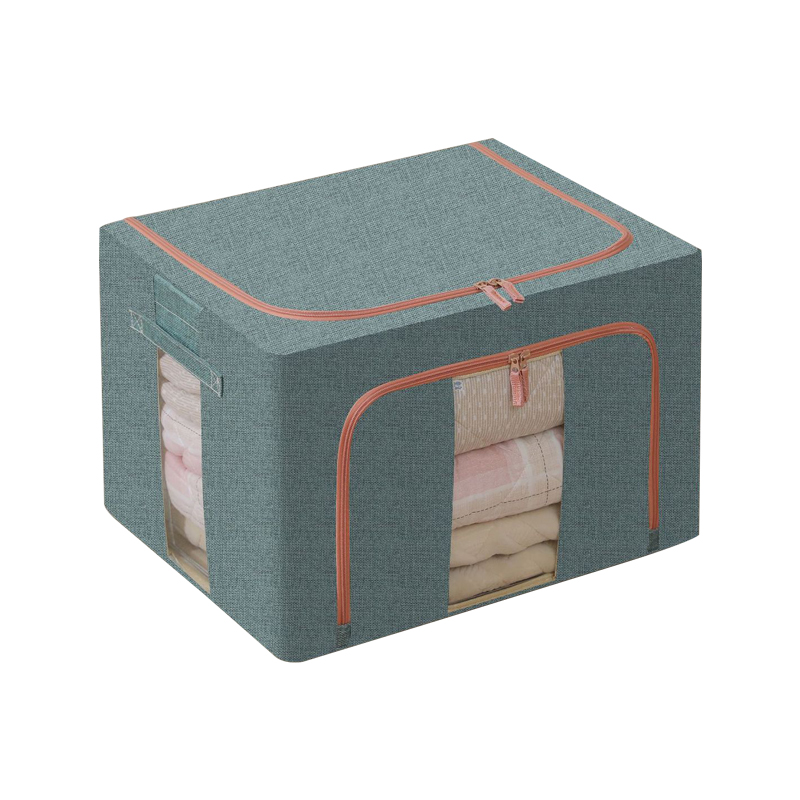
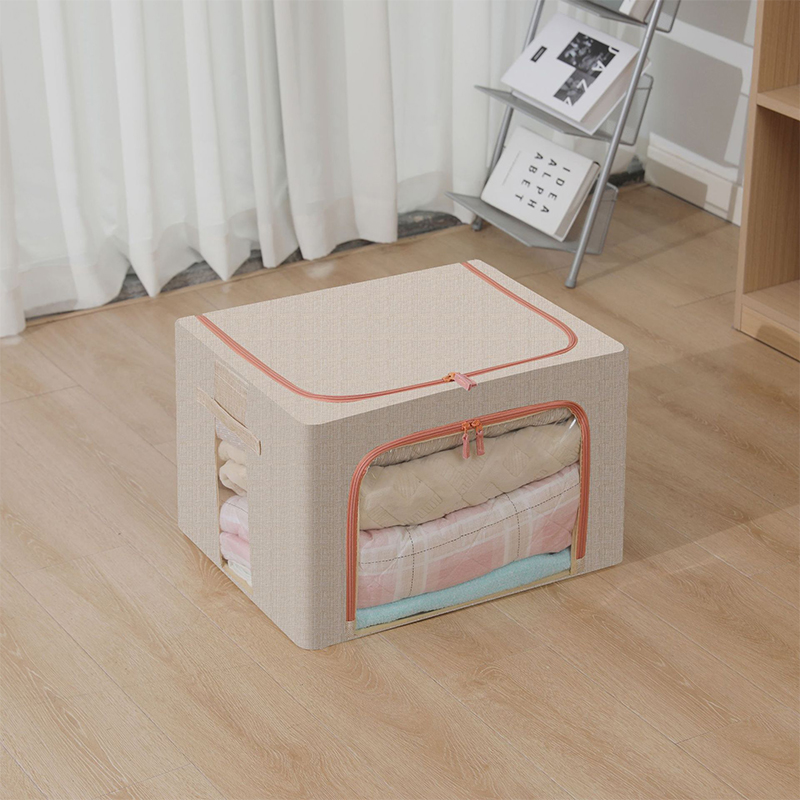 Quick View
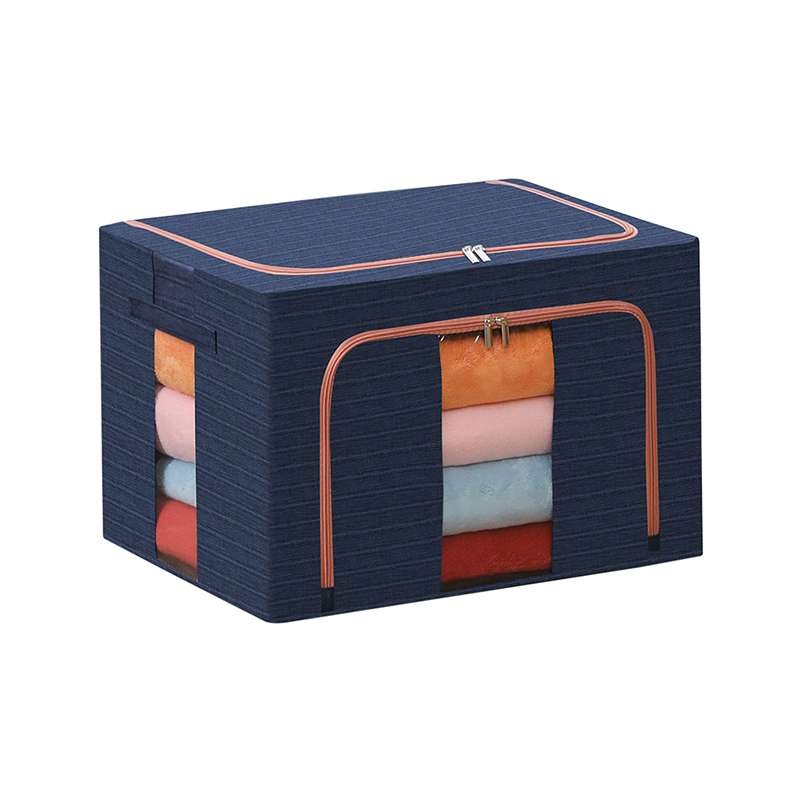
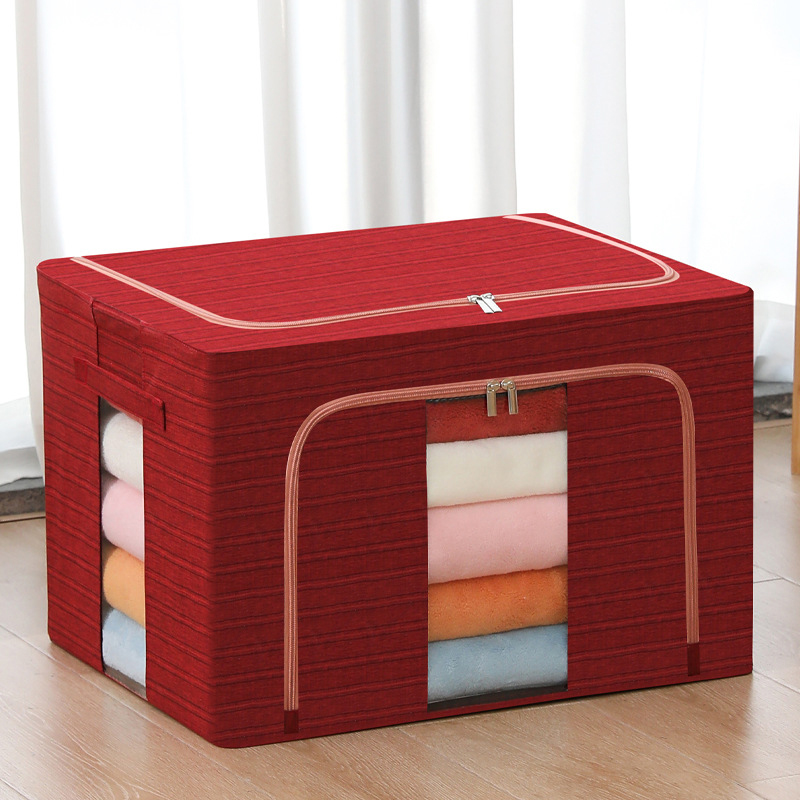 Quick View
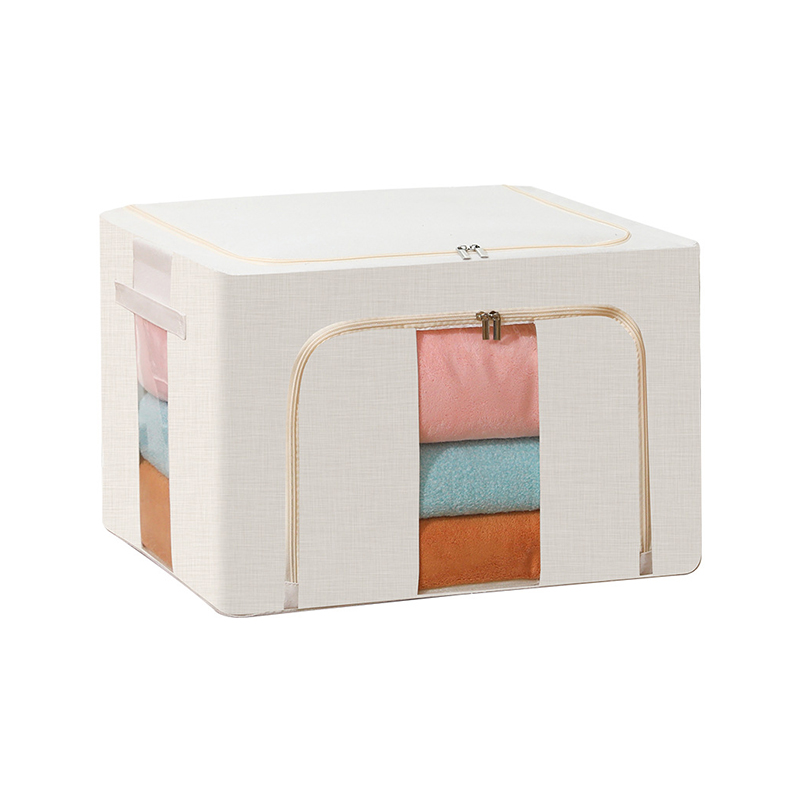
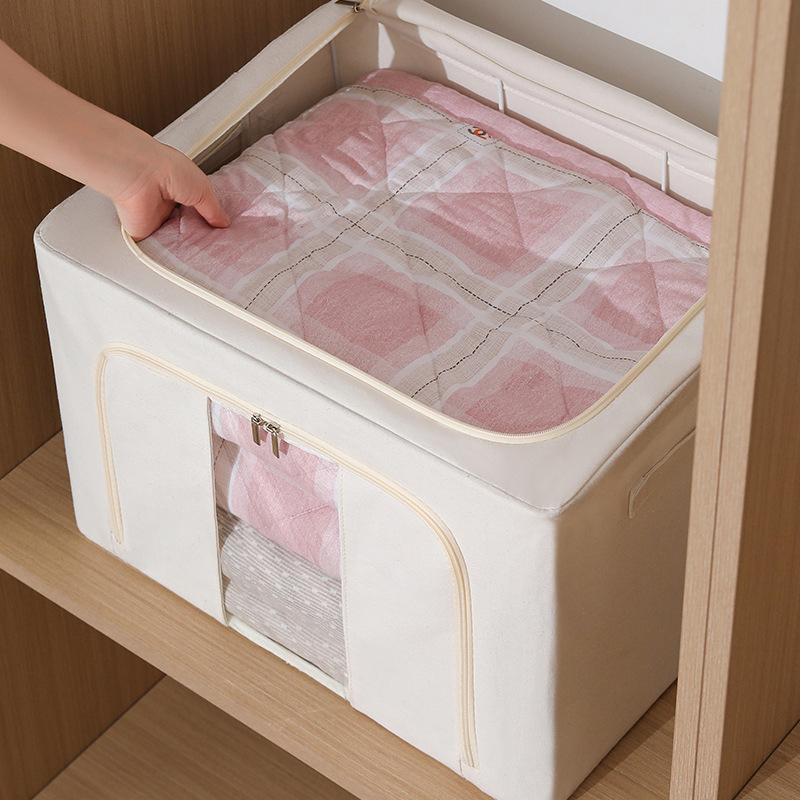 Quick View
 Quick View
 Quick View
 Quick View
 Quick View
Foldable Storage Bin Maker
Contact Us
 No. 15, Hetian Road, Shangxi Town, Yiwu City, Zhejiang Province
Mobile