

 English
 中文简体
中文简体 Español
 Deutsch



Foldable Storage Bin Maker


2026-05-22
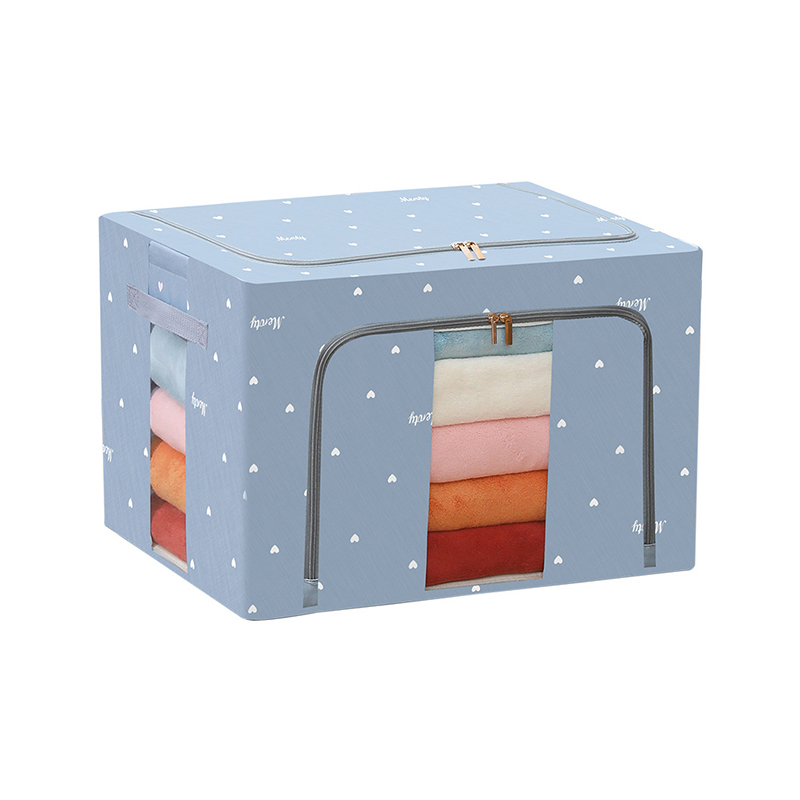
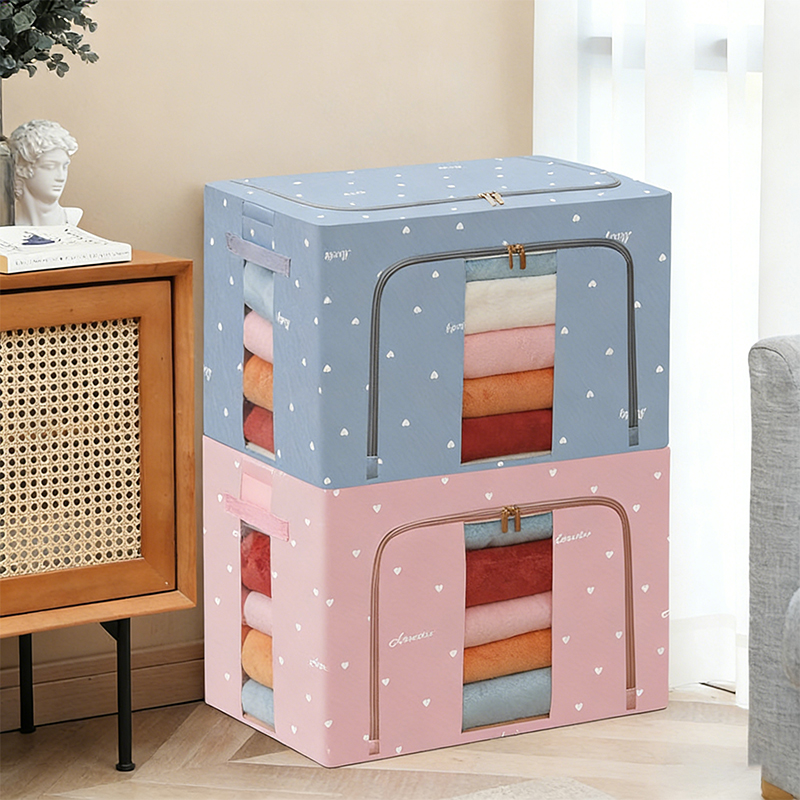
There's a specific kind of household clutter that doesn't come from being messy — it comes from having no good place to put things that aren't quite trash but also aren't quite put-away. The spare chargers. The scarves that aren't in season. The kid's stuff that migrates from room to room without a real home. A foldable storage bin doesn't fix the underlying problem, but it gives all of that stuff somewhere to actually go, and that turns out to matter more than expected.
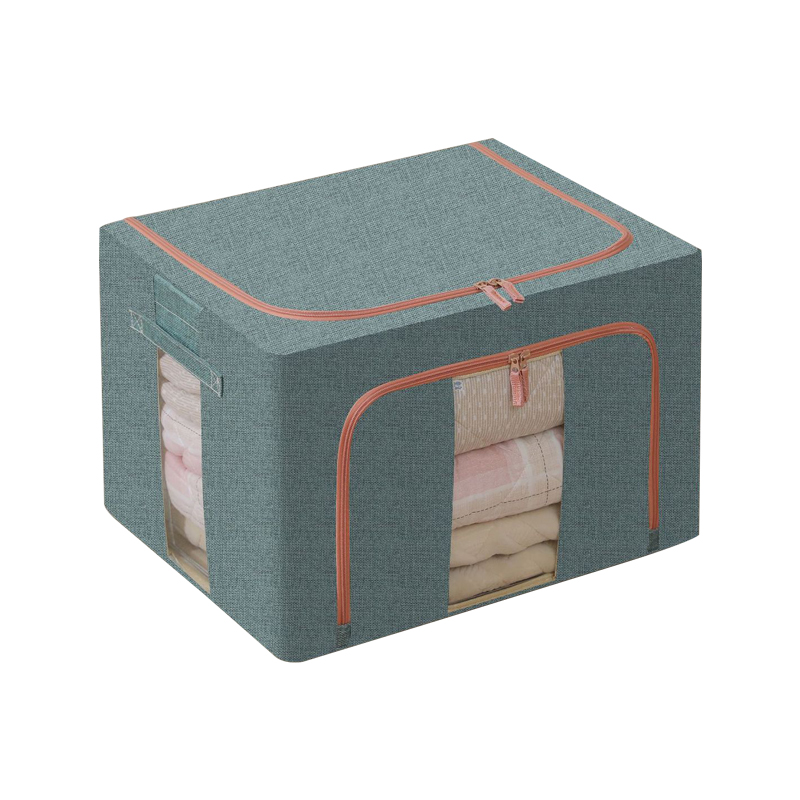
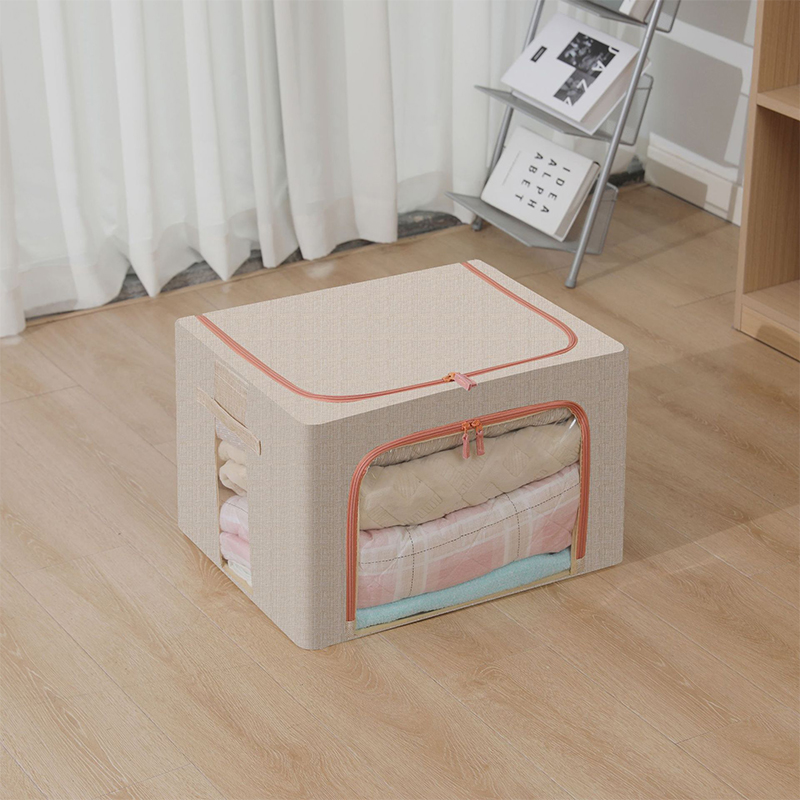
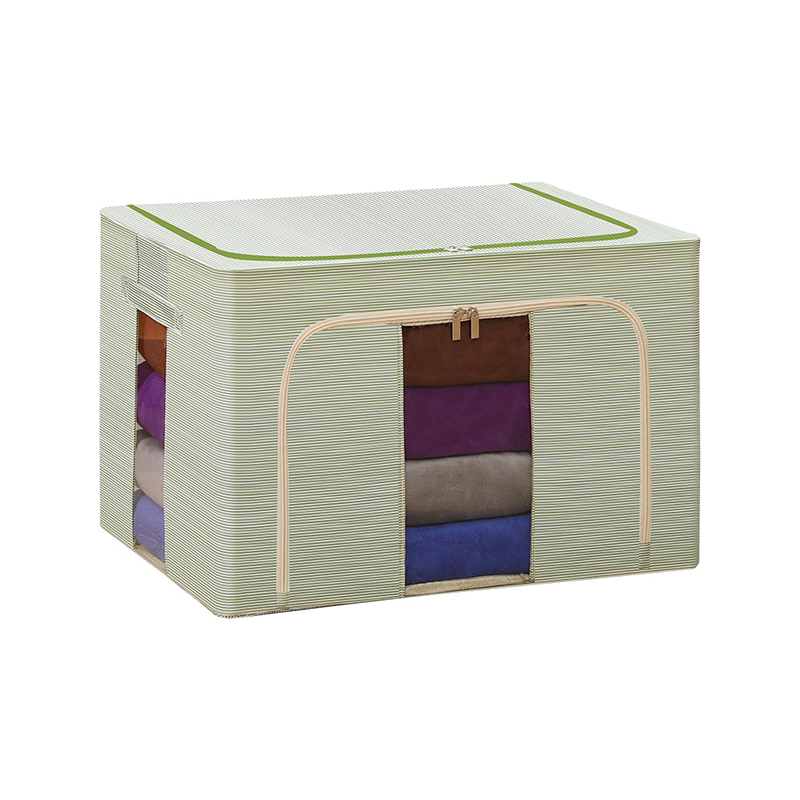
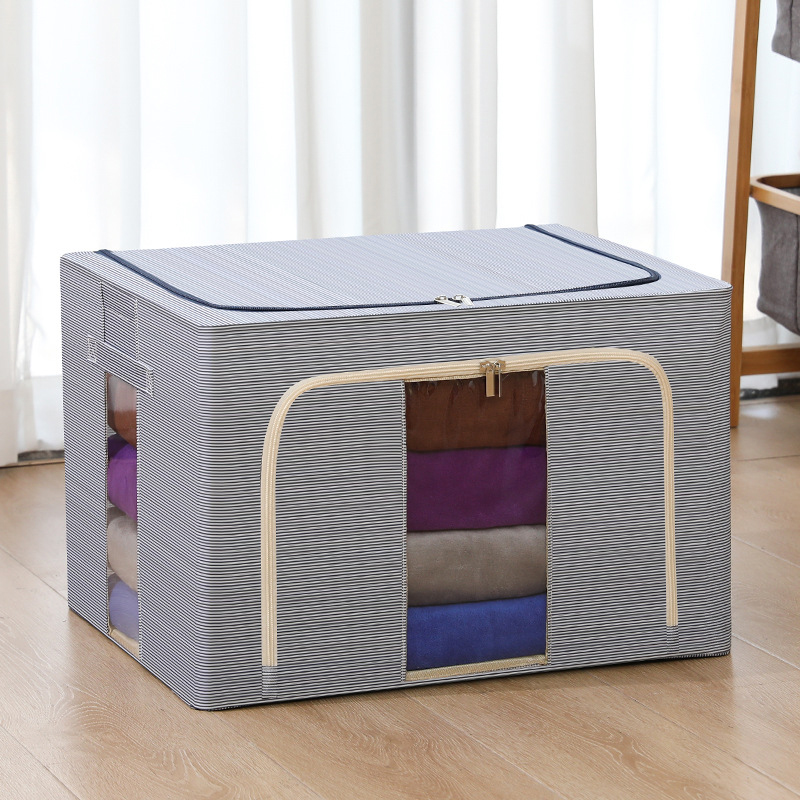
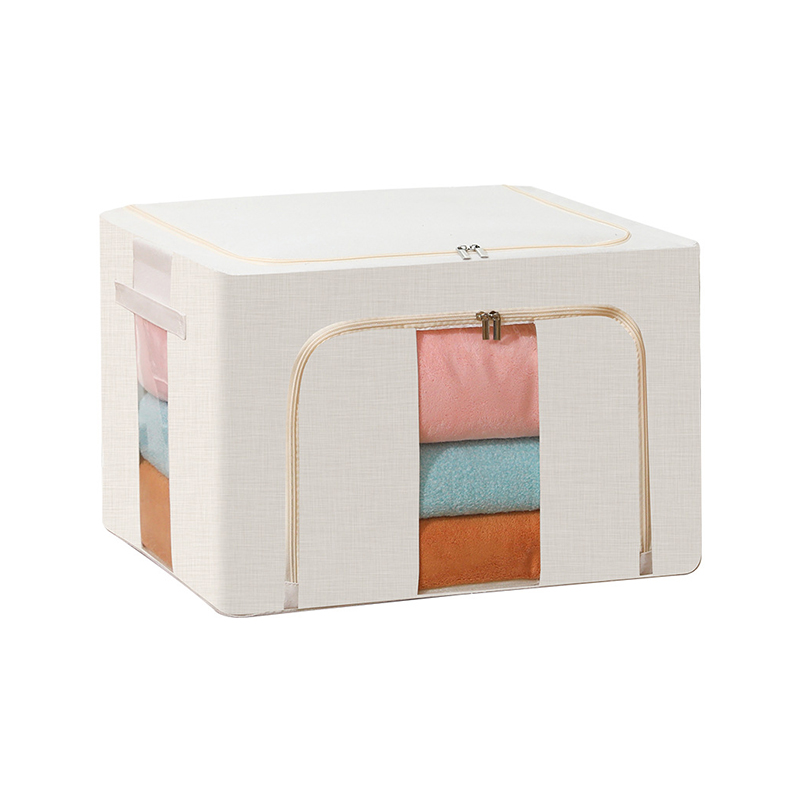
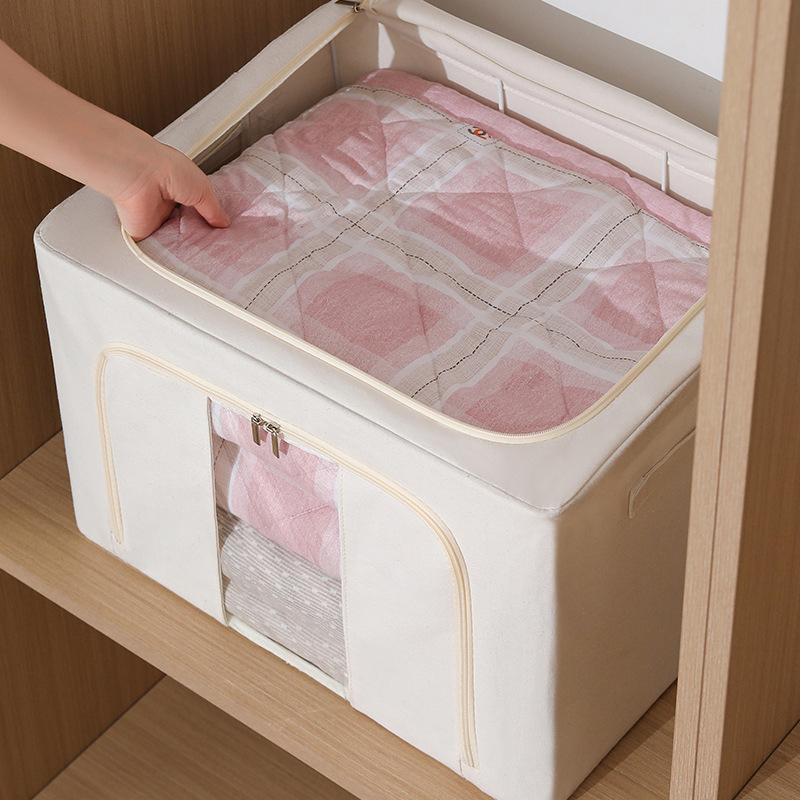
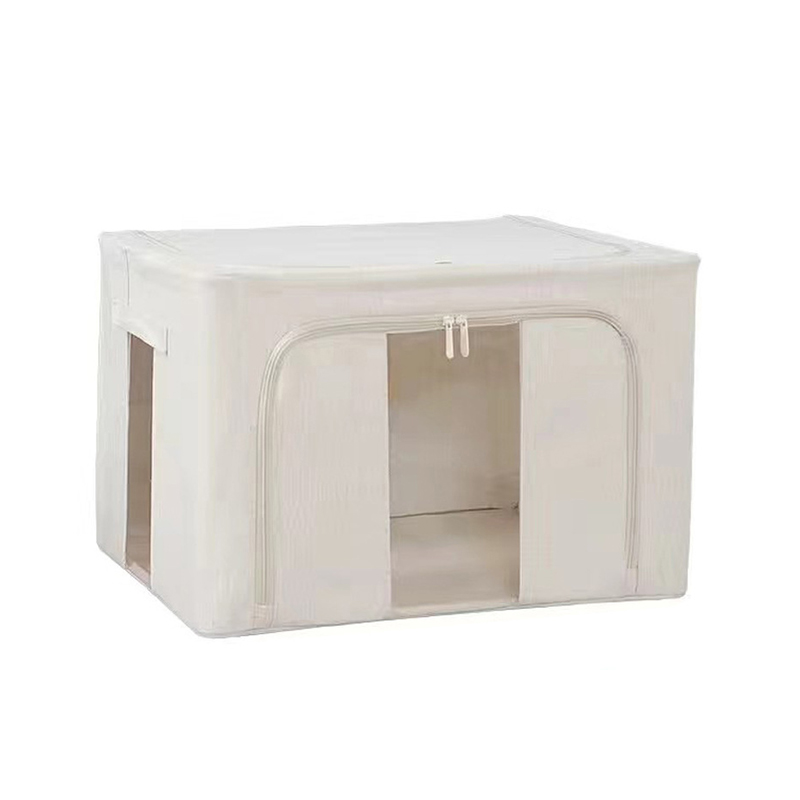
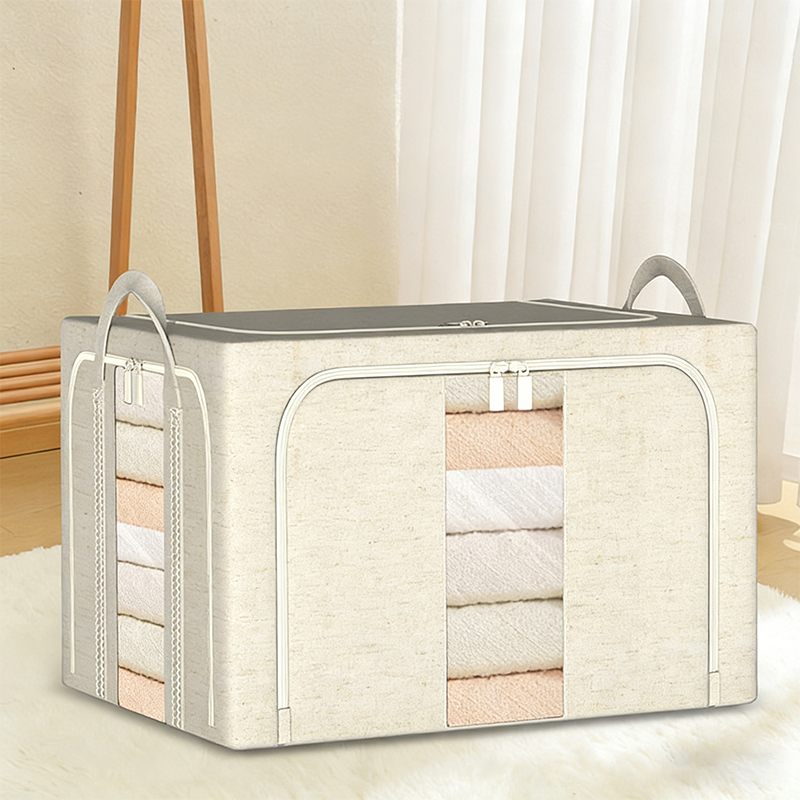
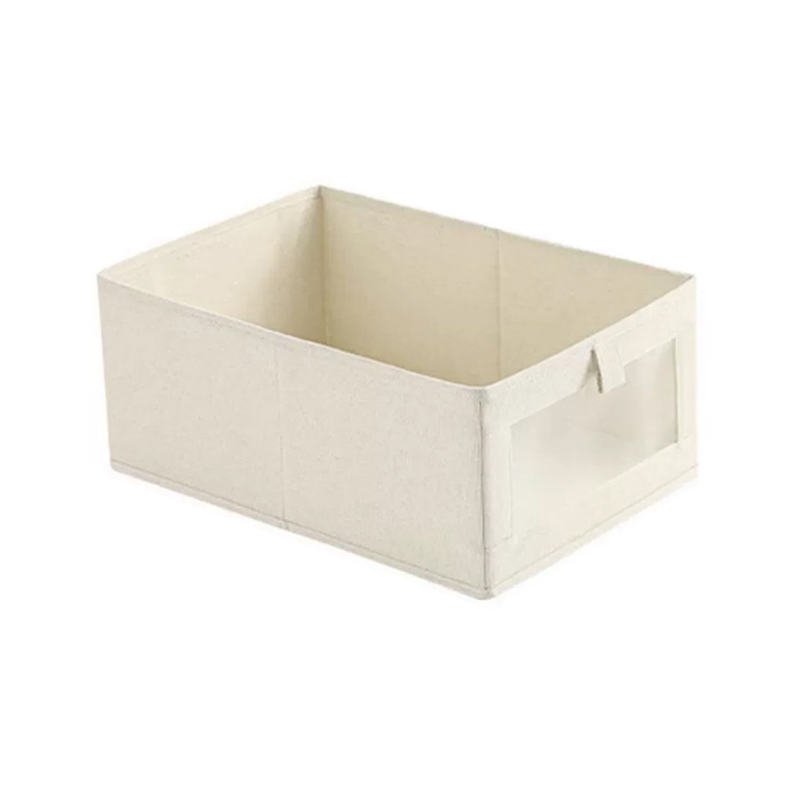
The folding part is what separates this from a regular bin or basket. When you need it, it pops open and holds a reasonable amount of stuff. When you don't — when the season changes, when the room gets reorganized, when you're moving — it folds flat and slides under a bed, into a closet shelf, or behind a door. No dedicated storage footprint, no awkward stack of empty containers, no problem.
This sounds simple because it is. But it's the kind of simple that takes a while to appreciate until you've lived in a place where every storage solution is permanent and bulky. The foldable part is a feature that reveals its value slowly, the longer you live with it.
Foldable storage bins come in a range of materials, and the choice affects how the bin performs day to day. Fabric bins — usually polyester or canvas — are lightweight, forgiving, and often the easiest to clean with a wipe or a quick spot treatment. They hold their shape reasonably well when there's enough inside them but can slump a little when half-empty, which bothers some people and doesn't bother others at all.
Felt bins are popular in closet and office settings because they look clean and structured without being rigid. They're also quiet — no rattling or crinkling when things shift around. For anyone using a foldable storage bin on a shelf that's in plain view, felt tends to look a bit more intentional than basic fabric.
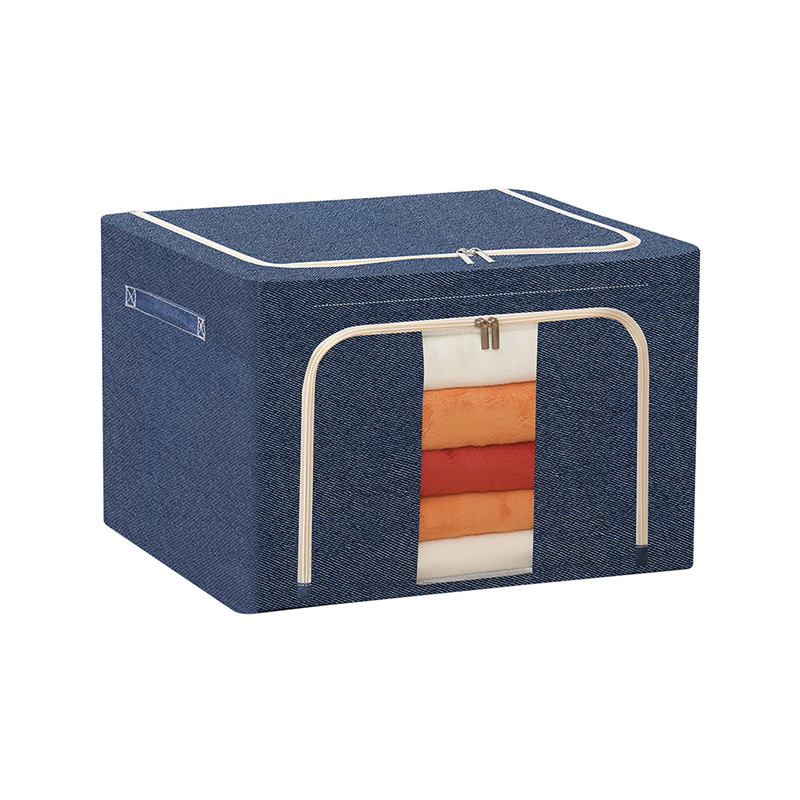
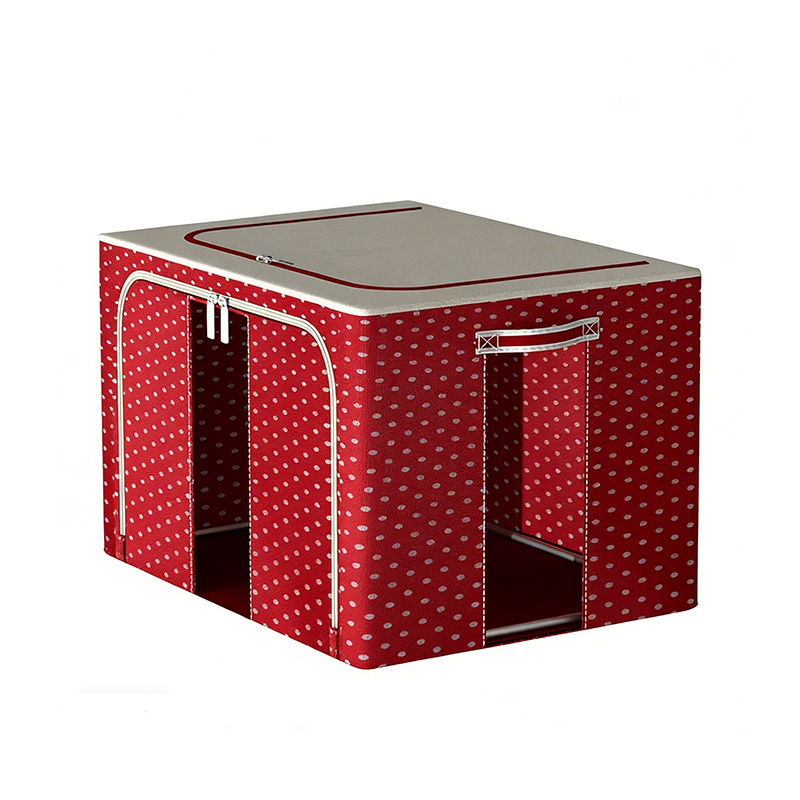
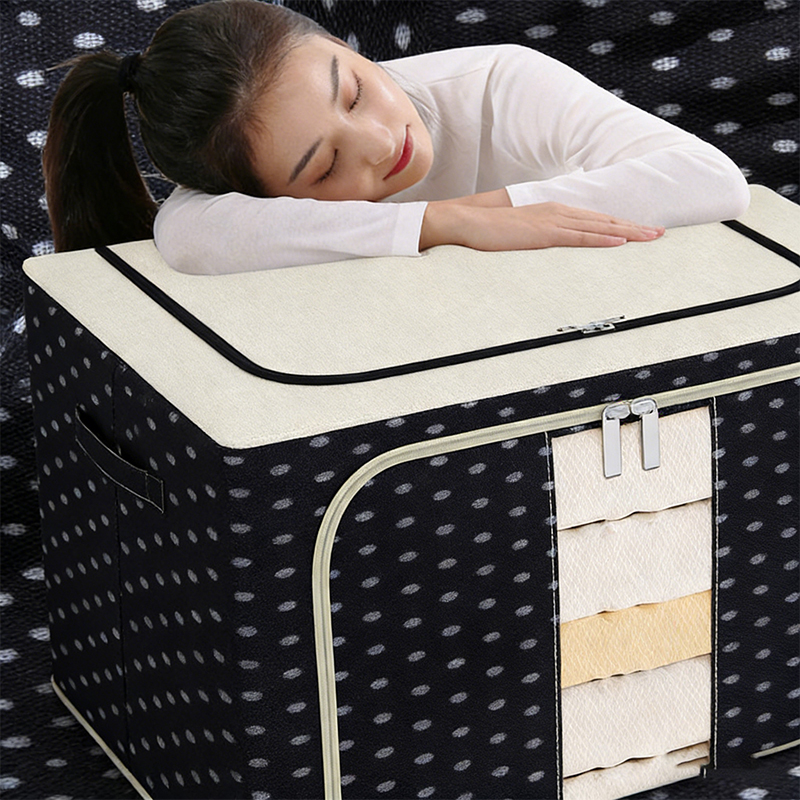
Sturdier options with reinforced walls or a collapsible frame hold their shape regardless of how full they are, which is useful for heavier items or for situations where you want the bin to act more like a box than a bag.
A foldable storage bin that collapses to under two inches flat can be stored in places a rigid bin simply can't — the back of a linen closet, inside a suitcase, or flat on a shelf alongside books. That flexibility adds up across a home.
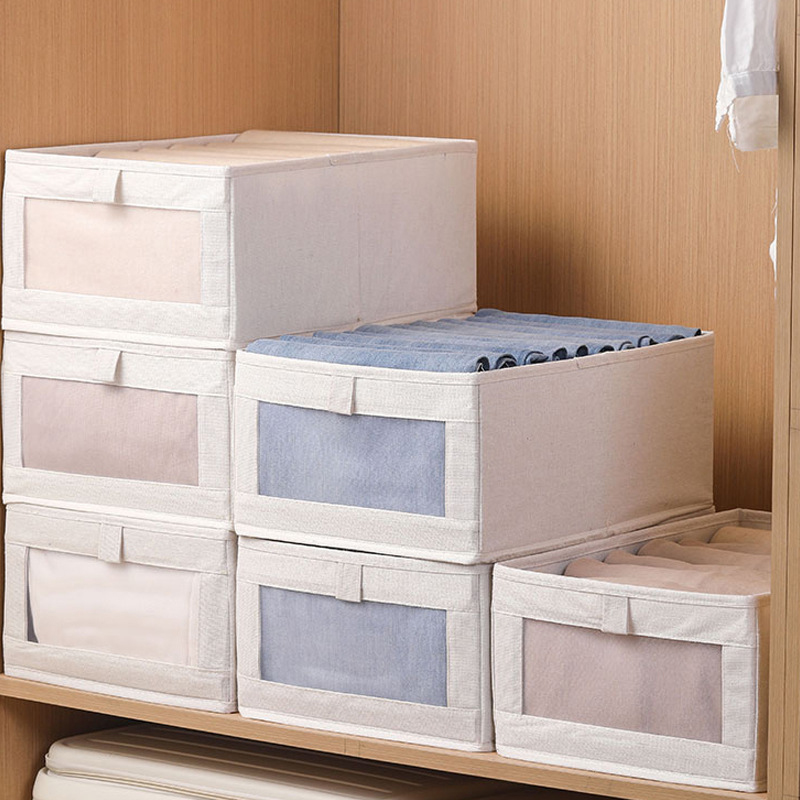
A bin that's too large becomes a dumping ground. One that's too small fills up in a day and creates more decisions, not fewer. A medium size — roughly the footprint of a shoebox but taller — tends to hit a useful middle ground for most purposes. For shelf storage, measure the shelf first. A foldable storage bin that doesn't quite fit the space is more frustrating than no bin at all.
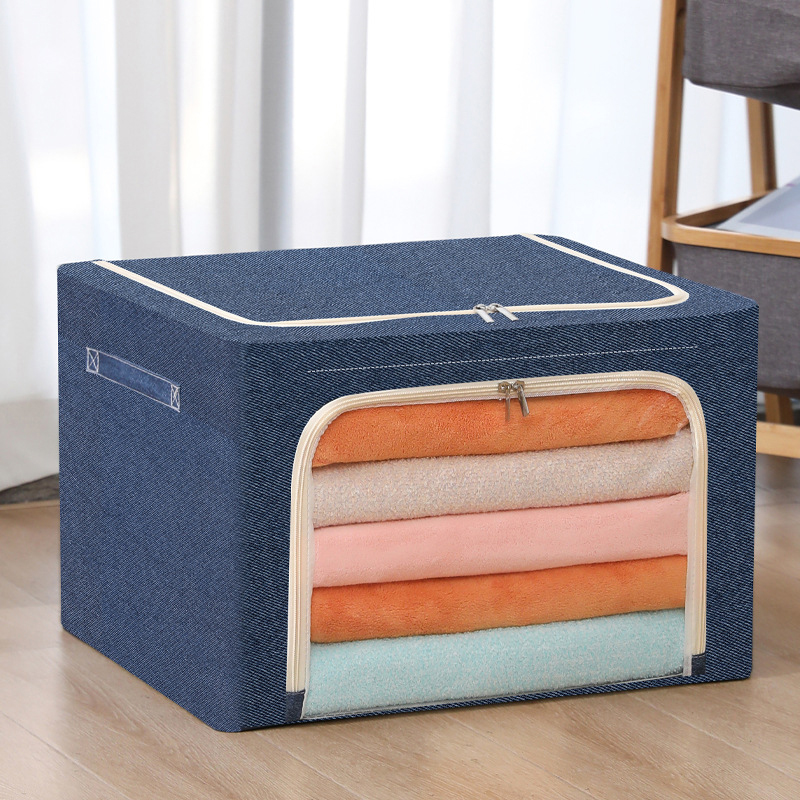
Handles are worth paying attention to. Cutout handles on the sides make it easy to pull a bin off a shelf without tipping it. Reinforced handles mean you can carry a loaded bin without the material stretching or the handles folding in. These are small details that make the bin genuinely easier to use rather than just easier to own.
 Quick View
 Quick View
 Quick View
 Quick View
 Quick View
 Quick View
 Quick View
 Quick View

Foldable Storage Bin Maker
Contact Us
 No. 15, Hetian Road, Shangxi Town, Yiwu City, Zhejiang Province
Mobile