

 English
 中文简体
中文简体 Español
 Deutsch



Foldable Storage Bin Maker


2026-05-29
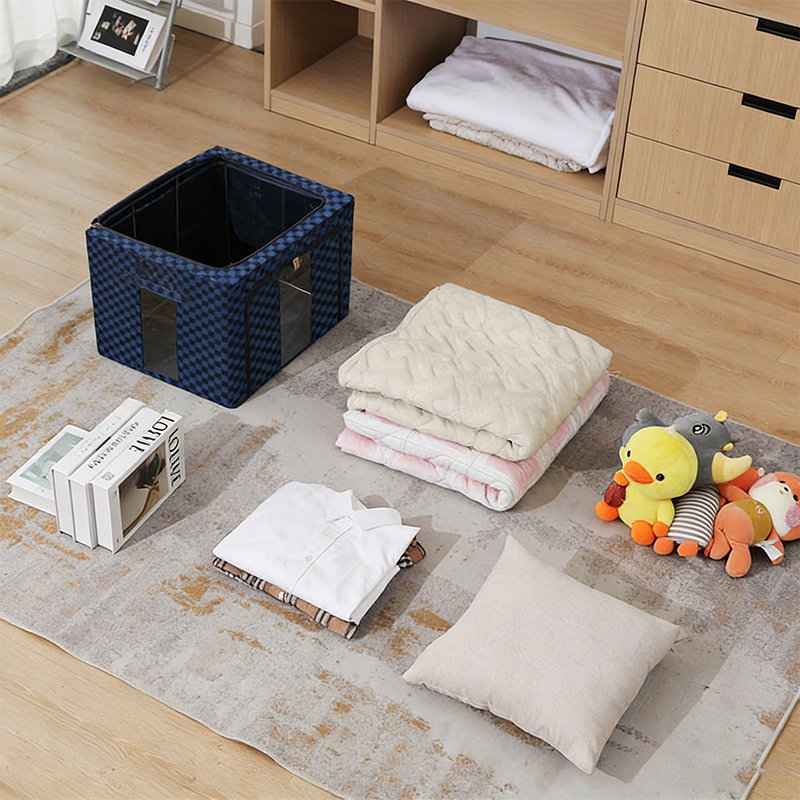
The distinction between a foldable storage box and a regular storage bin or basket isn't just about the folding mechanism — it's about what that mechanism makes possible. A rigid box has a fixed footprint. It takes up space on a shelf, under a bed, or in a closet regardless of whether it's holding anything. A foldable version holds things when loaded and essentially disappears when not in use.
That matters in smaller homes and apartments where storage space is genuinely limited. But it also matters during moves, seasonal changeovers, or any time life shifts and your storage needs shift with it. A foldable storage box adapts to the situation rather than the other way around.
Foldable storage boxes show up in a range of materials, and the choice is worth thinking through rather than just grabbing whatever looks decent in a product photo.
Cardboard-based folding boxes are lightweight and often come in clean, minimal designs that look at home on a shelf. They're fine for lighter loads — documents, craft supplies, small accessories — but they don't hold up well to damp environments or heavy use over time. Good for visible storage, less good for under the kitchen sink.
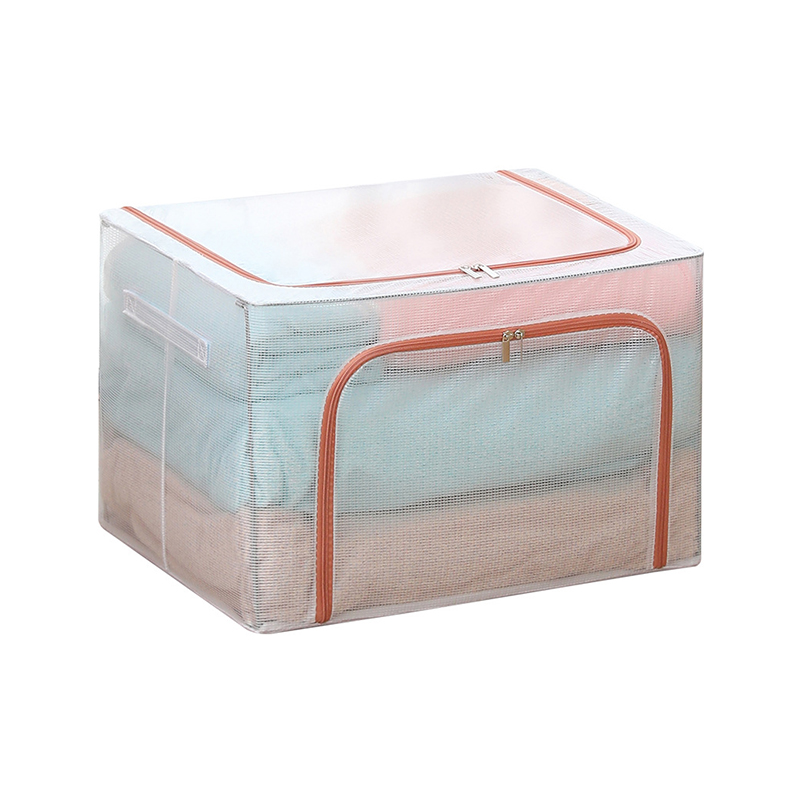
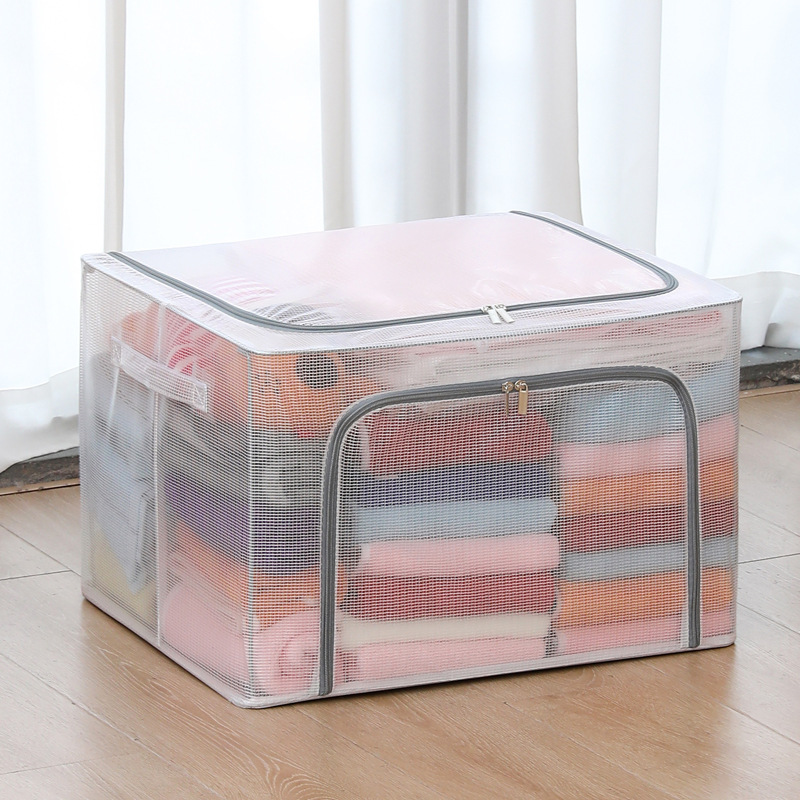
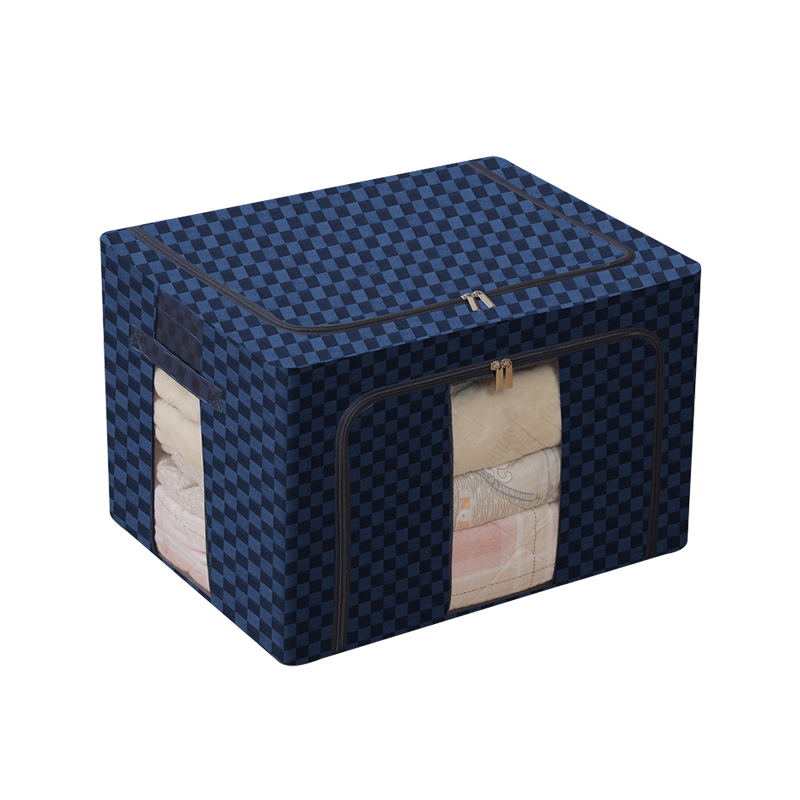
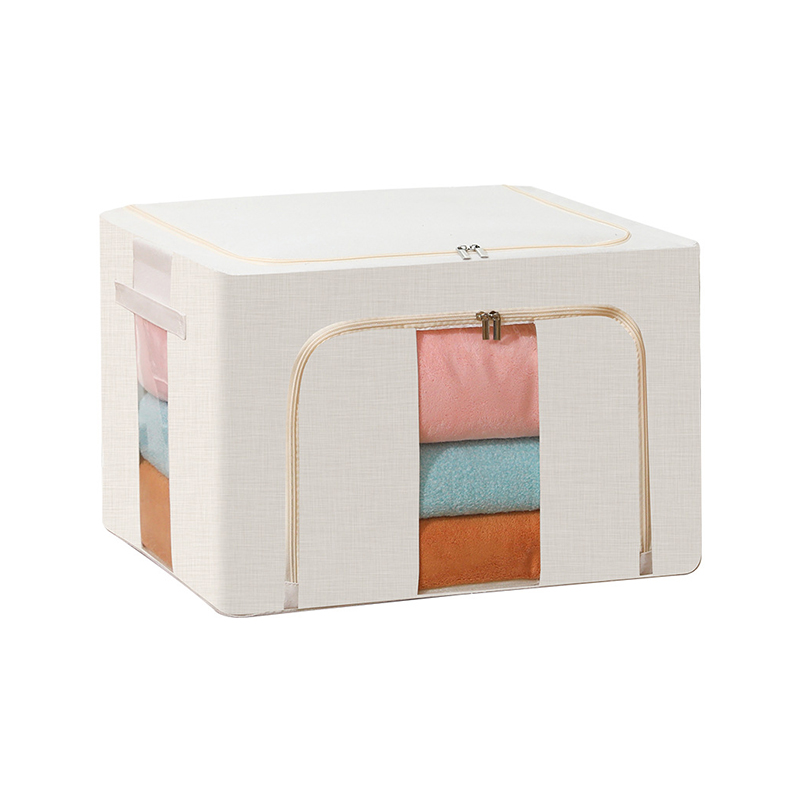
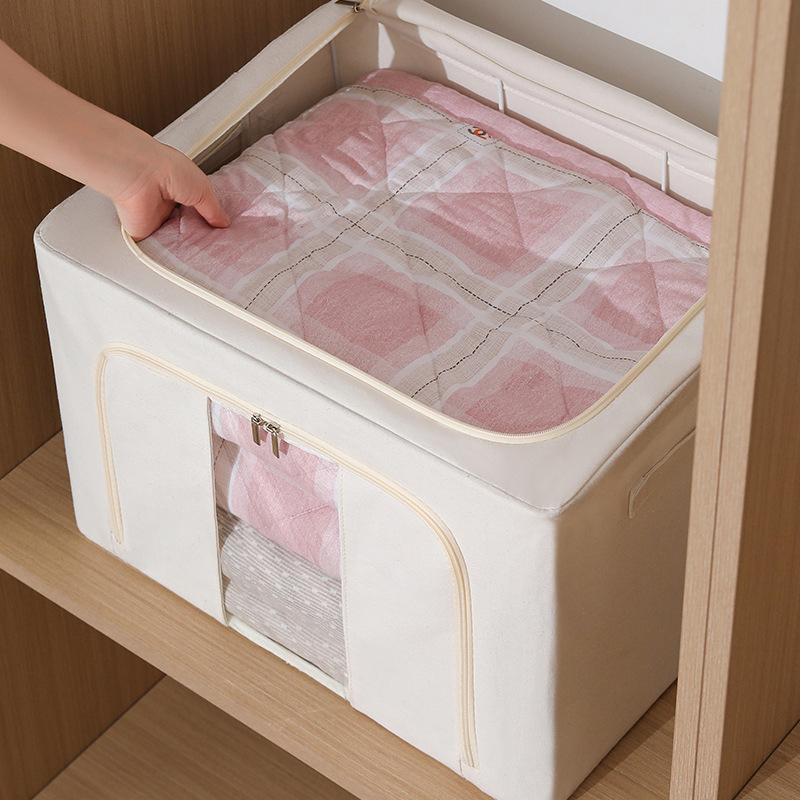
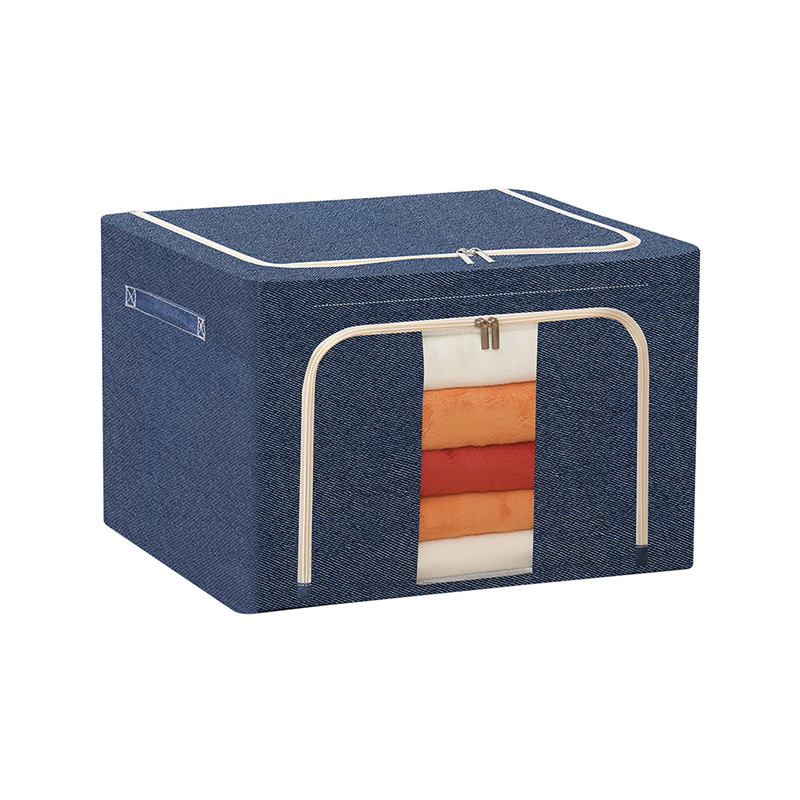
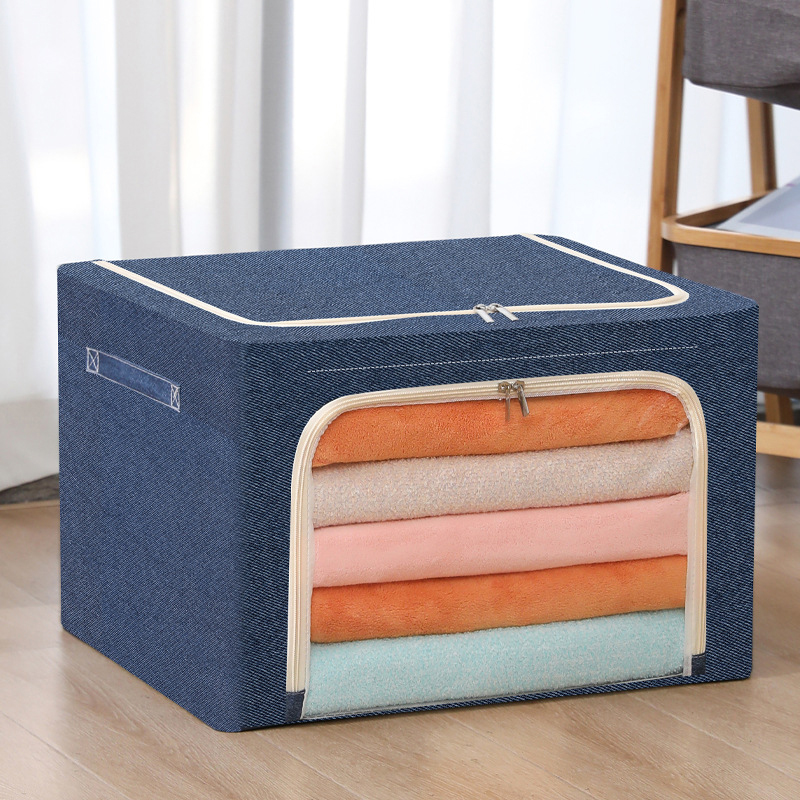
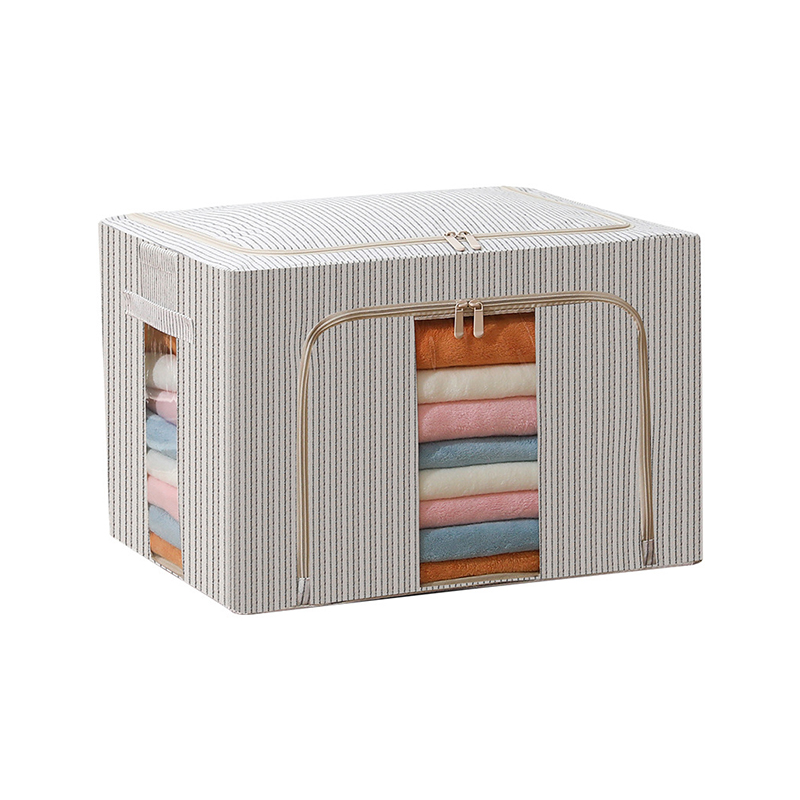
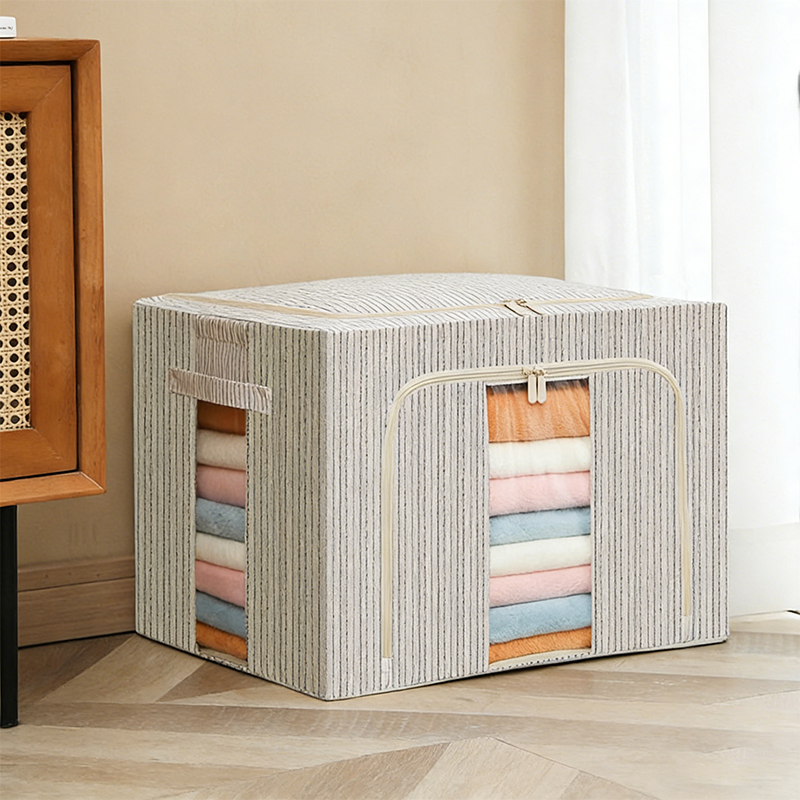
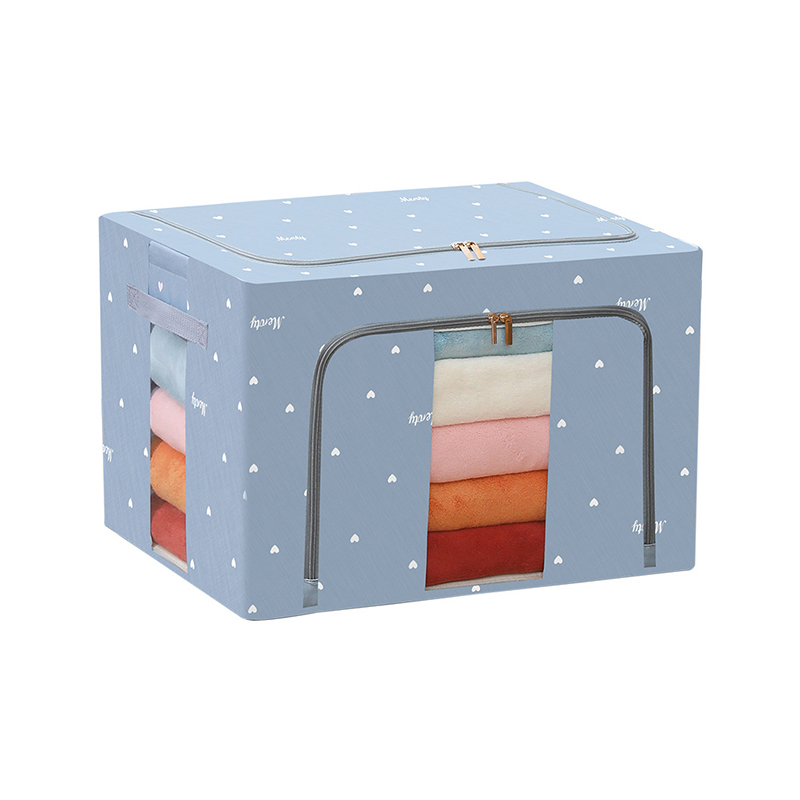
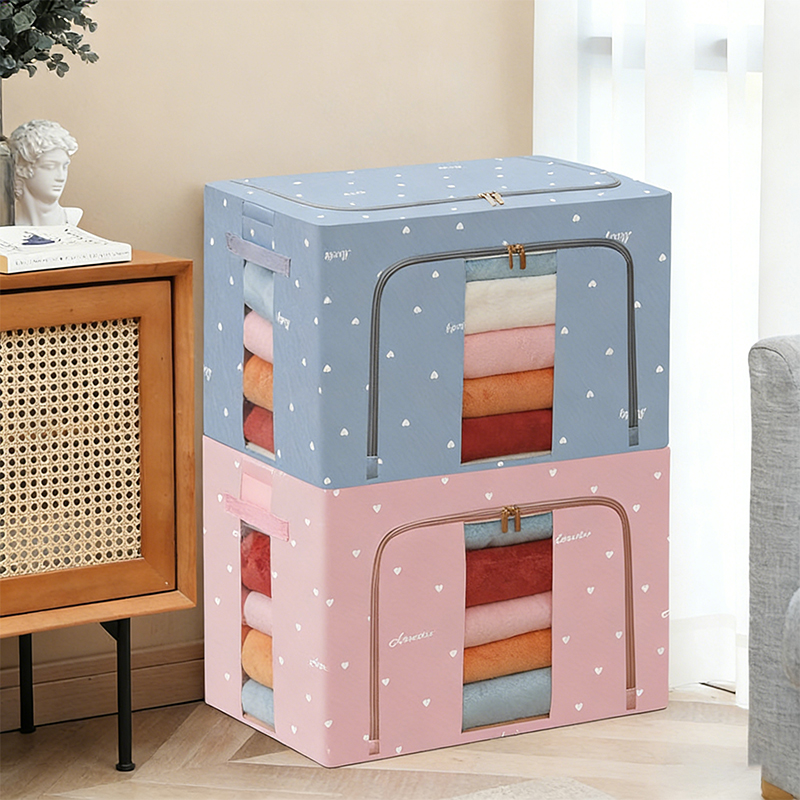
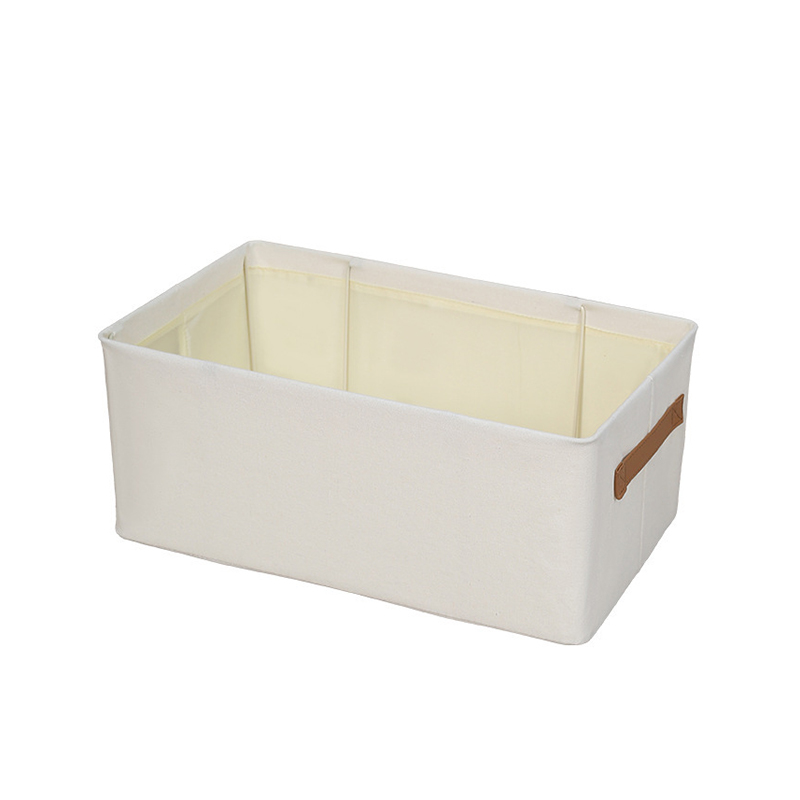
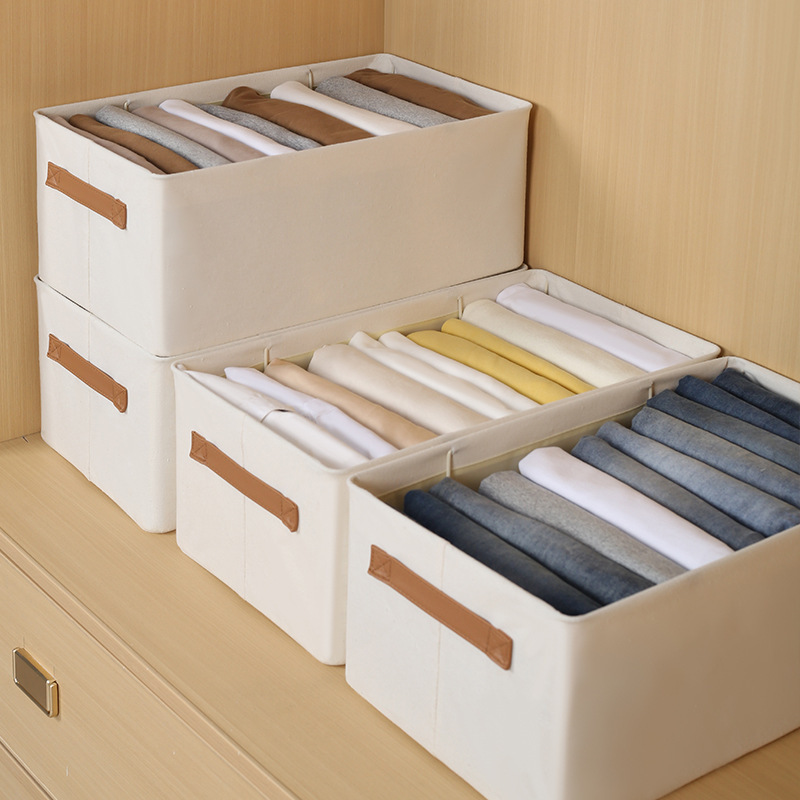
Fabric and polyester boxes are softer, more forgiving, and usually the version people reach for in closets and bedrooms. They can handle a decent amount of weight, they're quiet when you pull things in and out, and most wipe clean without drama.
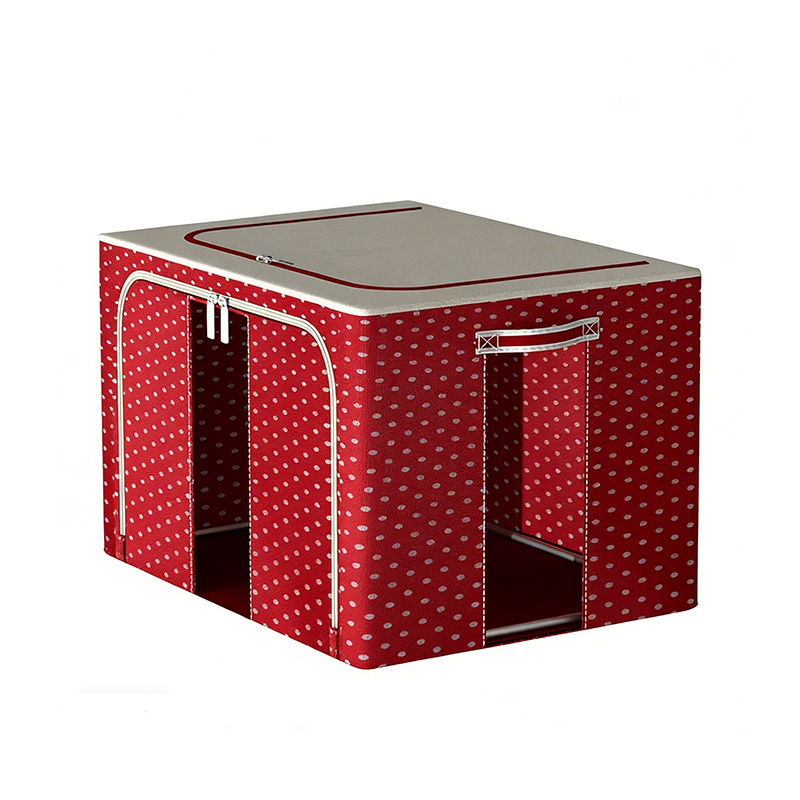
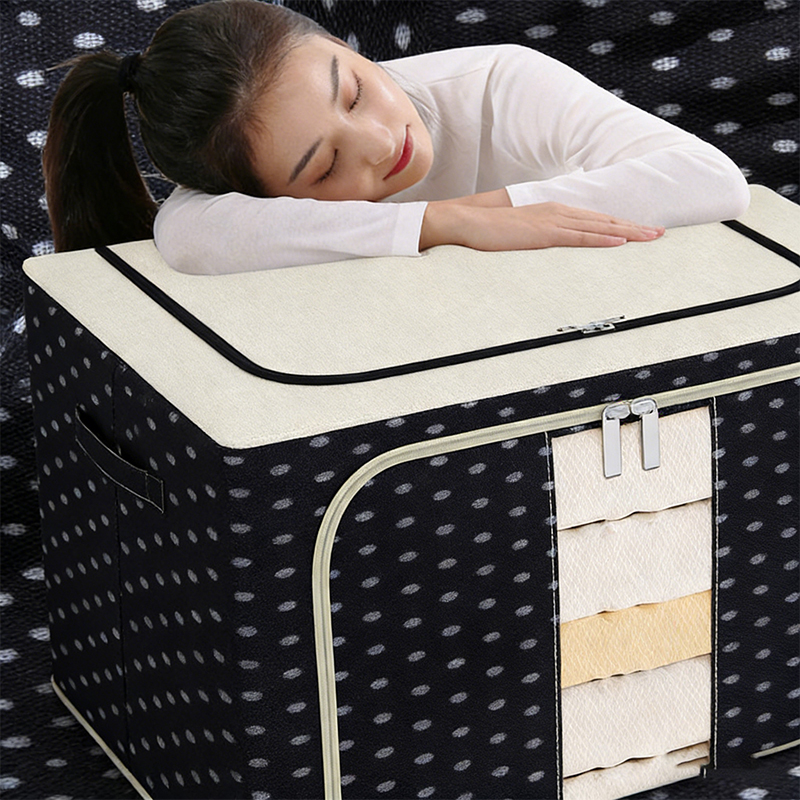
Rigid-shell foldable boxes — which use a collapsible internal frame — are sturdier and hold their shape whether empty or full. These tend to be a bit heavier and pricier, but they behave more like a proper container and less like a bag with ideas above its station.
One of the more common mistakes with foldable storage boxes is misjudging the size. A box that's too big becomes a dumping ground — you fill it with things that don't belong together, and then you can never find anything in it. A box that's too small fills up in a few days and creates decision fatigue every time something new needs a home.
For shelf storage, measuring the shelf first and buying to fit is worth the extra two minutes. A foldable storage box that's a centimeter too tall or too wide for the space is more irritating to live with than no box at all. For floor or under-bed use, a flatter profile works well — long and low rather than tall and narrow.
Handles are one of them. A foldable storage box you can actually lift when it's full — without the sides folding in on you — needs reinforced handles or at least a sturdy cutout. Check that the base is solid enough to carry weight without bowing. And if the box is going somewhere visible, like a shelf in a living room or home office, it's worth spending a little more on one that looks deliberate rather than functional-at-the-expense-of-everything-else.
None of these is a deal-breaker on their own. But a foldable storage box that ticks a few of these boxes will end up used daily rather than shoved to the back of a cupboard — which, when you think about it, would be a waste of a box specifically designed to fold away cleanly.
 Quick View
 Quick View
 Quick View
 Quick View
 Quick View
 Quick View
 Quick View
 Quick View

Foldable Storage Bin Maker
Contact Us
 No. 15, Hetian Road, Shangxi Town, Yiwu City, Zhejiang Province
Mobile